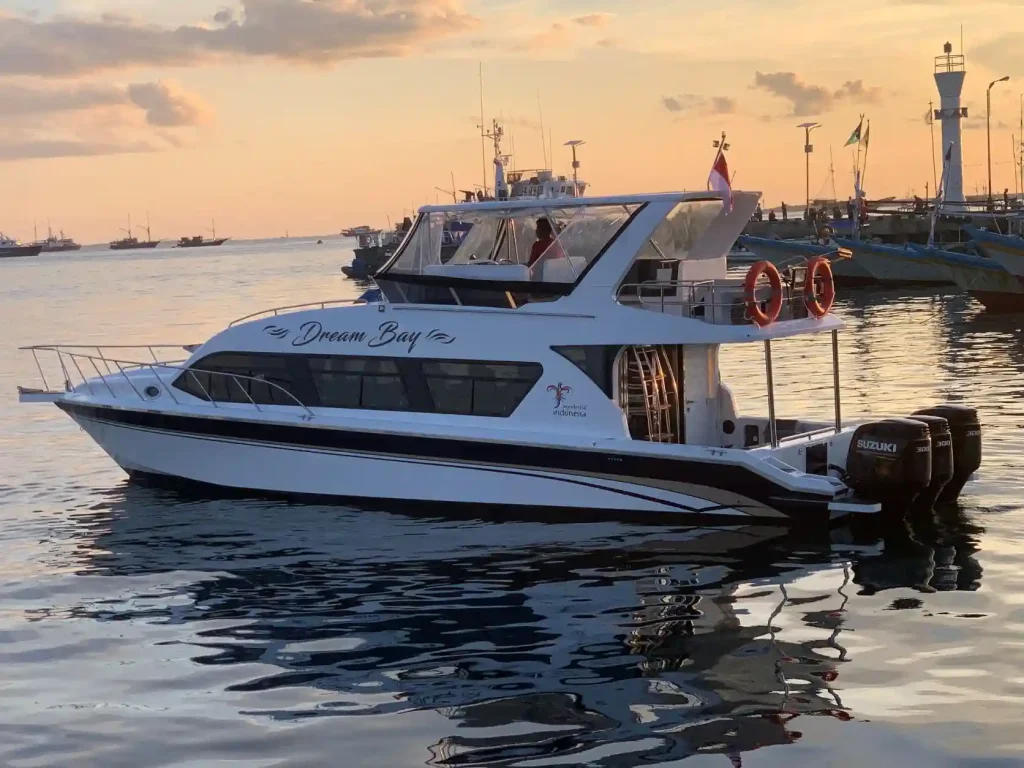
Labuan Bajo Market
Seasonal Price Cycles: When Komodo Boat Values Soften
5 min read Komodo Boat For Sale desk

In this article
Vessel values in Labuan Bajo are not stable through the year, and the movement is not random. It tracks the charter calendar with enough consistency that a buyer who times an approach well can find themselves negotiating with a motivated seller instead of a confident one — and, just as importantly, can complete refit work before the season that pays for it.
The calendar that drives everything
Komodo’s charter year has a pronounced shape. The strongest guest demand concentrates in the drier months from roughly April through October, peaking in the mid-year window. The transitional and wetter months see reduced itineraries, more weather cancellations, and for many operators a period of maintenance rather than revenue. Every commercial decision in the local boat market — including when to sell — sits downstream of that shape.
Four phases of the market year
Phase one: post-season listing wave
As the strong months wind down, owners finish the year with a clear picture of what the boat earned and what it cost. This is when the decision to exit gets made, and it produces the year’s widest selection. Sellers at this point are realistic: they have just experienced the maintenance bills, and the prospect of carrying crew and mooring costs through the quieter months focuses the mind. For a buyer wanting choice, this is the richest window.
Phase two: the quiet months
Listings that did not move now sit. Seller motivation increases with every month of holding cost, particularly for owners carrying crew they do not want to lose. Negotiating leverage is at its strongest here. The trade-off is that inspection conditions are harder — more weather days, fewer boats actively working, and sea trials that get postponed. Diligence takes longer and requires patience.
Phase three: pre-season tightening
As the first bookings for the coming season firm up, the calculation reverses. An owner with confirmed forward charters no longer needs to sell, and a vessel with a full book becomes worth more, not less. Yard capacity is now committed, surveyors are booked out, and buyers who wait discover that even if they agree a price, they cannot get the boat ready in time. Prices firm and the choice narrows.
Phase four: in-season scarcity
During peak months very little of quality comes to market voluntarily. What lists tends to be distressed — a mechanical failure the owner cannot fund, a partnership dispute, a permit problem. There are genuine opportunities here for buyers who can diagnose quickly, but the base rate of problem boats is much higher and the diligence window is compressed.
What actually moves, and what does not
An important nuance: the headline asking price moves less than people expect. What moves more is everything around it. Off-peak, sellers become flexible on the defect list, the retention, the transition period, crew retention support and the treatment of forward bookings. Those concessions are frequently worth more than a percentage off the number, and they are far easier to obtain when the seller is looking at four quiet months of holding cost.
The refit window argument
Timing matters for a second reason that has nothing to do with negotiation. Buying in the quiet months means the yards have capacity, parts can be ordered without a rush premium, and the slipway period can be planned rather than squeezed. A boat purchased three weeks before the season opens will either go to work with its defect list intact or miss the opening weeks entirely. Buying early is often worth more than buying well.
Practical sequencing for a buyer
- Define the specification and budget before the post-season wave arrives, so you can act on the first suitable listing rather than deliberating.
- Book a surveyor’s availability provisionally ahead of finding the boat.
- Inspect during the quiet months, when you can take three days without competing with other buyers for the crew’s time.
- Schedule the slipway period immediately on signing, before pre-season demand takes the slot.
- Aim to be operational at least six weeks before the season opens, which absorbs the delays that always occur.
A caution about waiting for a bottom
Buyers sometimes try to hold out for the theoretical low point, and in a market this thin that is a poor strategy. The number of genuinely good vessels available at any moment is small, and a sound boat with documented maintenance, retained crew and a supported harbour position is worth more than a better price on a hull with an unclear history. Time the approach by all means — but buy the right boat when it appears.
Related reading
- Notaris and Paperwork: Closing a Boat Sale in East Nusa Tenggara
- Shooting a Boat in Komodo Light: Listing Media That Converts
- Labuan Bajo Boat for Sale — Boats Based in Komodo’s Charter Port
Frequently asked questions
Is there a single best month to buy?
There is a best phase rather than a month: the weeks immediately after the strong season closes, when listing volume peaks and sellers have just absorbed a year of costs. That is where choice and flexibility overlap.
Do sellers really concede more off-peak?
On terms, consistently. On headline price, less than buyers hope. Focus negotiation on the defect list, retention amount and transition support, which is where the real value moves.
Is buying during peak season ever sensible?
Yes, when a specific vessel you have already assessed becomes available. Just recognise that in-season listings skew toward distressed situations and shorten your diligence window, so the verification standard has to go up, not down.
How long before the season should a boat be ready?
Six weeks is a sound target. It absorbs late parts, yard overruns and the crew work-up that new ownership always requires, and it means the first guests do not become your sea trial.
Komodo Boat For Sale is a specialist maritime brand and digital platform under Juara Holding Group. Vessel-sale, construction and refit contracts are issued by PT Komodo Galangan Nusantara; brokerage and charter representation by PT Komodo Bahari Nusantara; boat management by PT Komodo Vessel Management.
Talk to the desk
If you are weighing a specific vessel, send us the listing and the month you want to be operating. WhatsApp +62 811 3941 4563 or email [email protected]. Figures are quoted in USD.