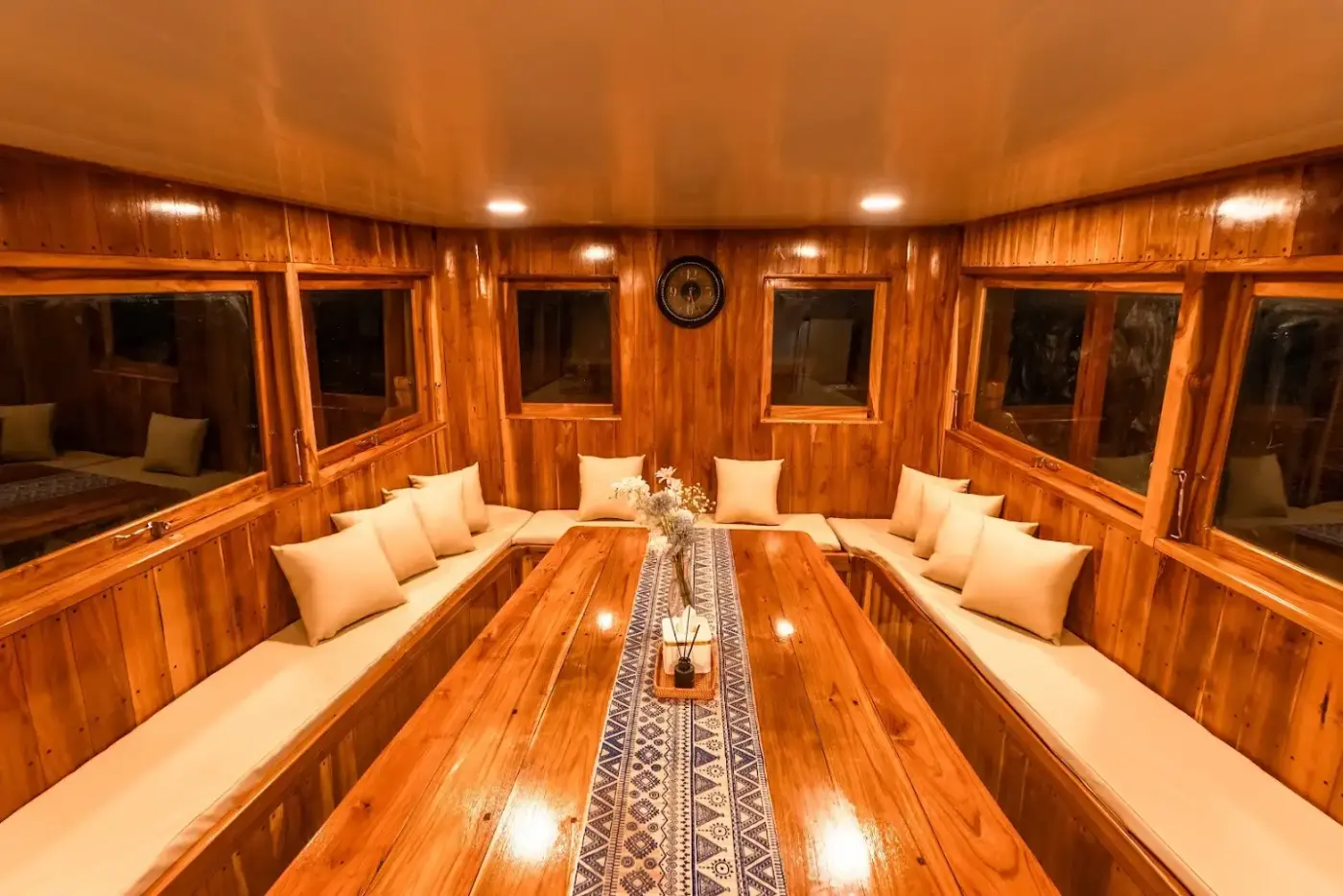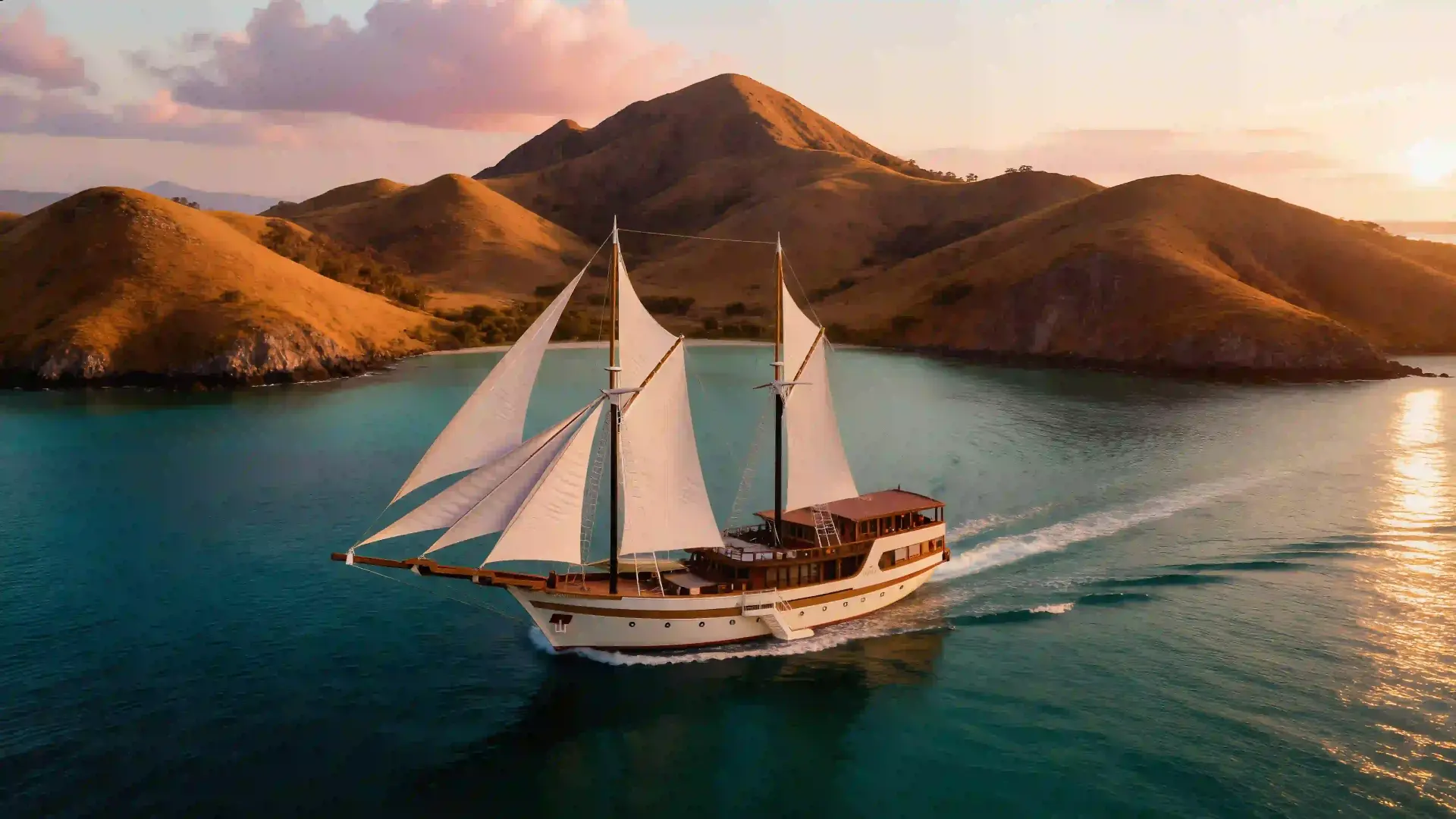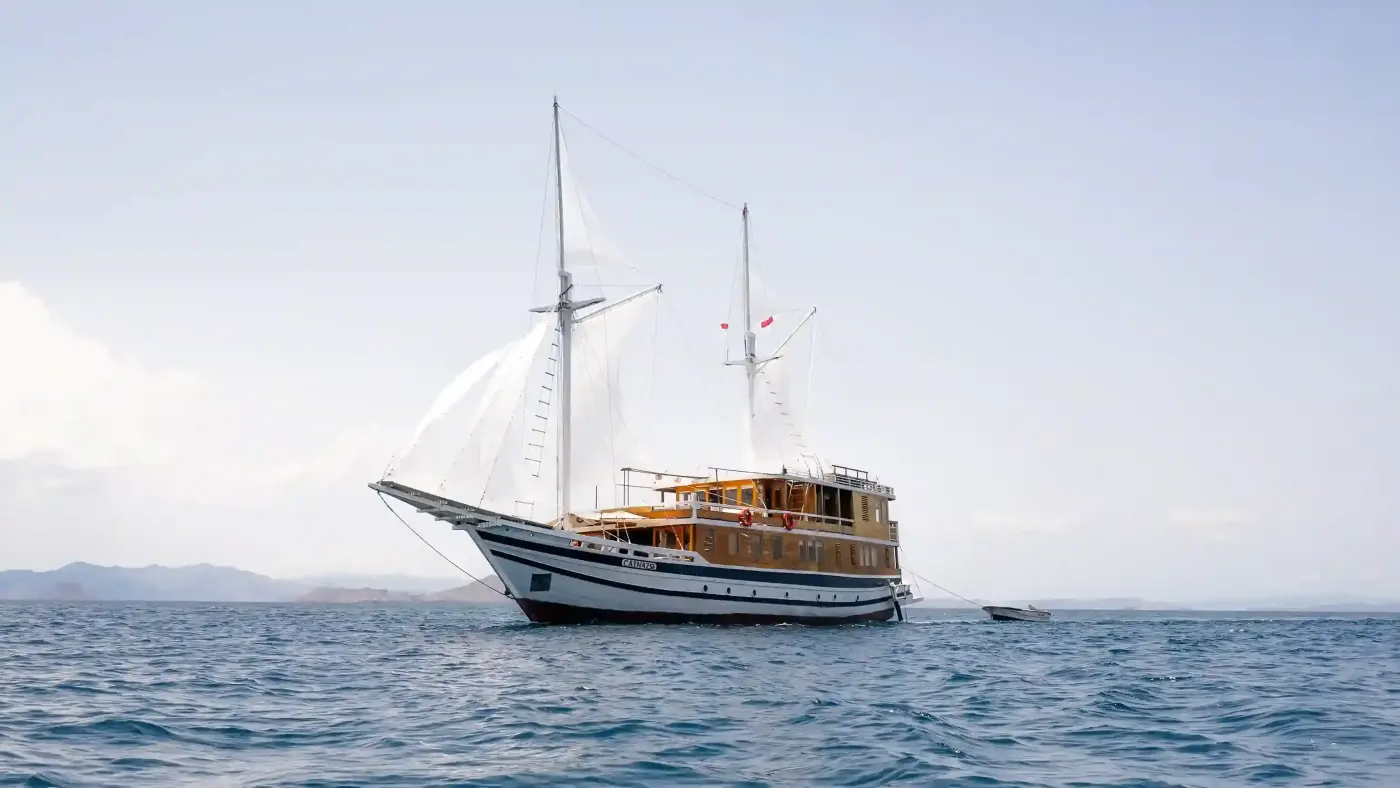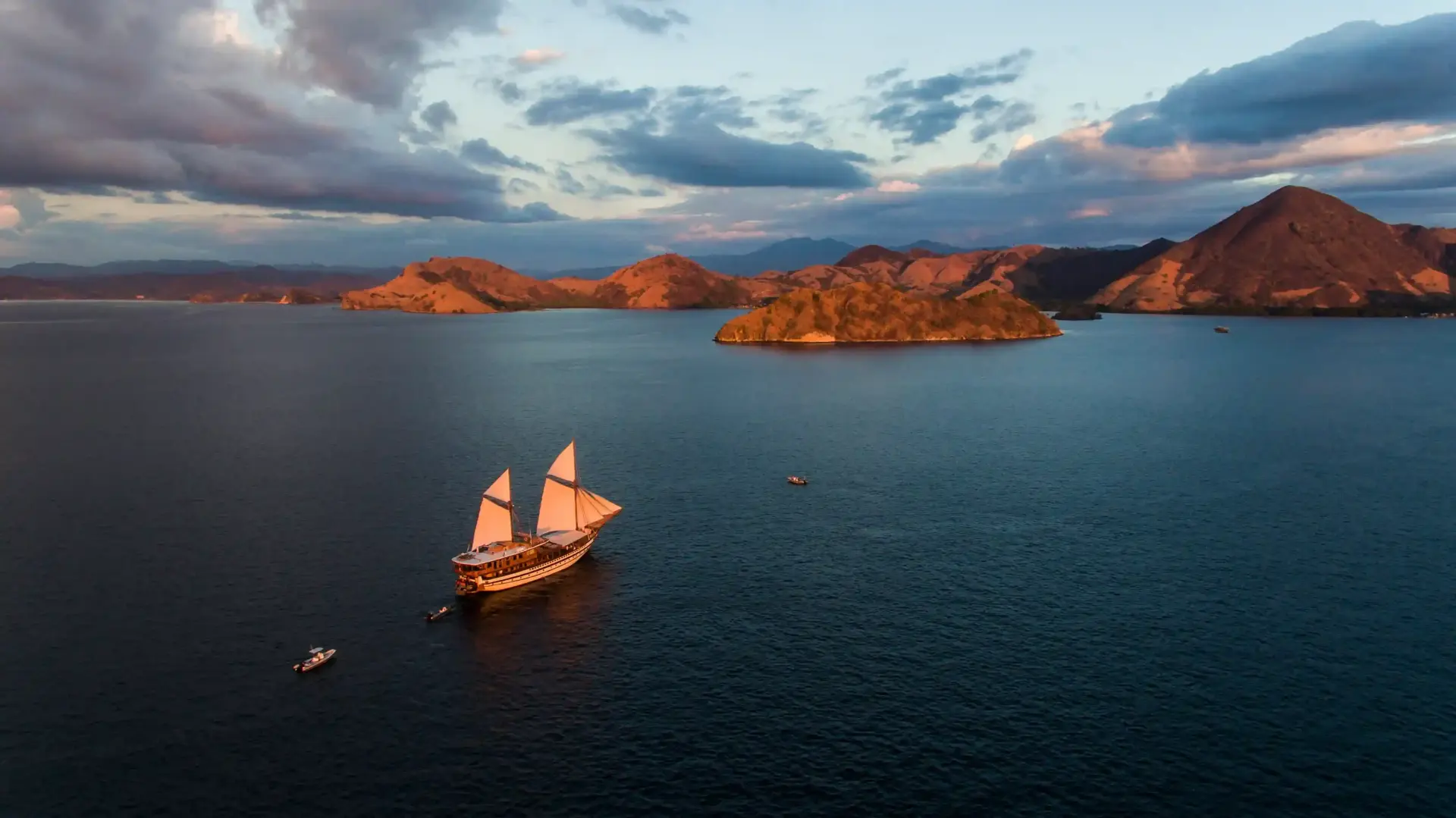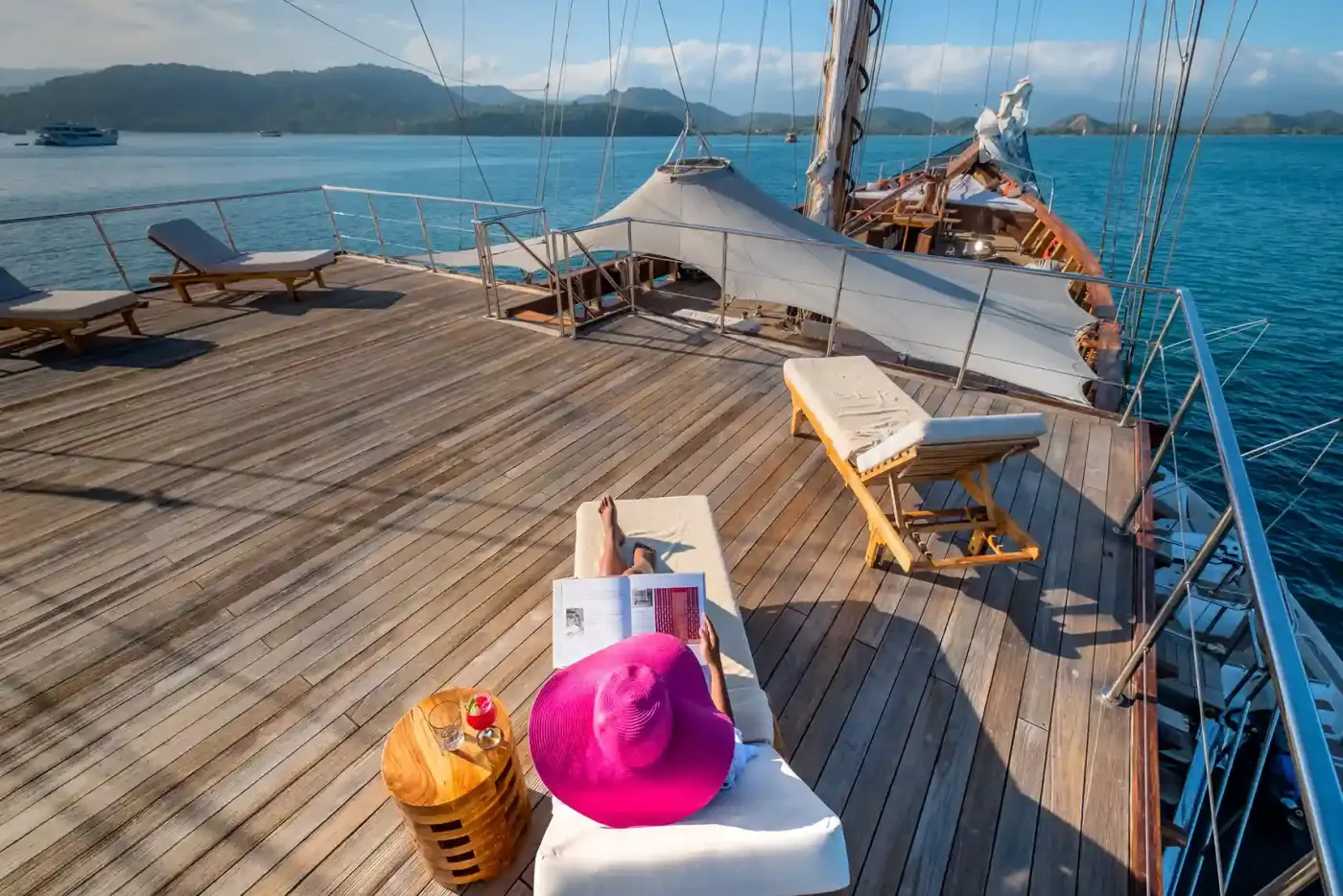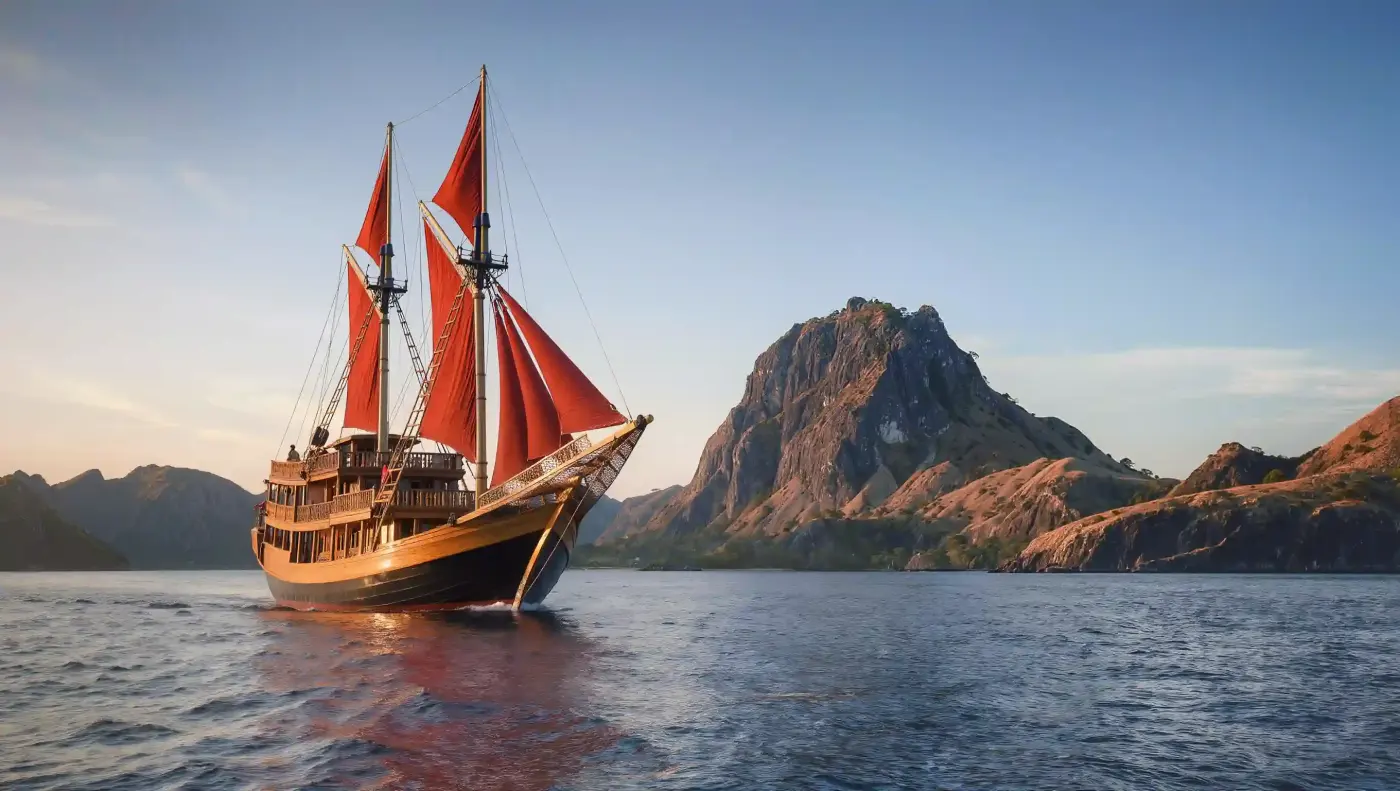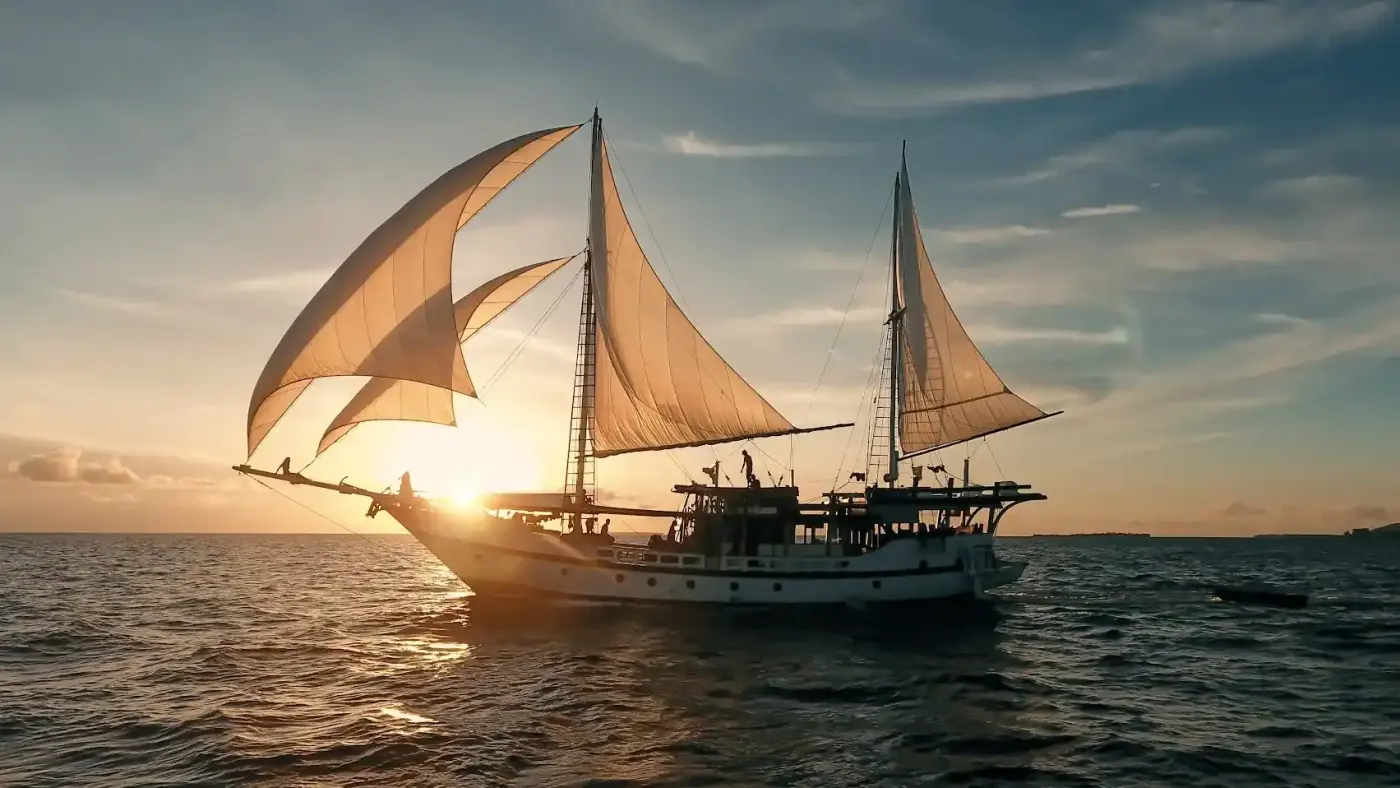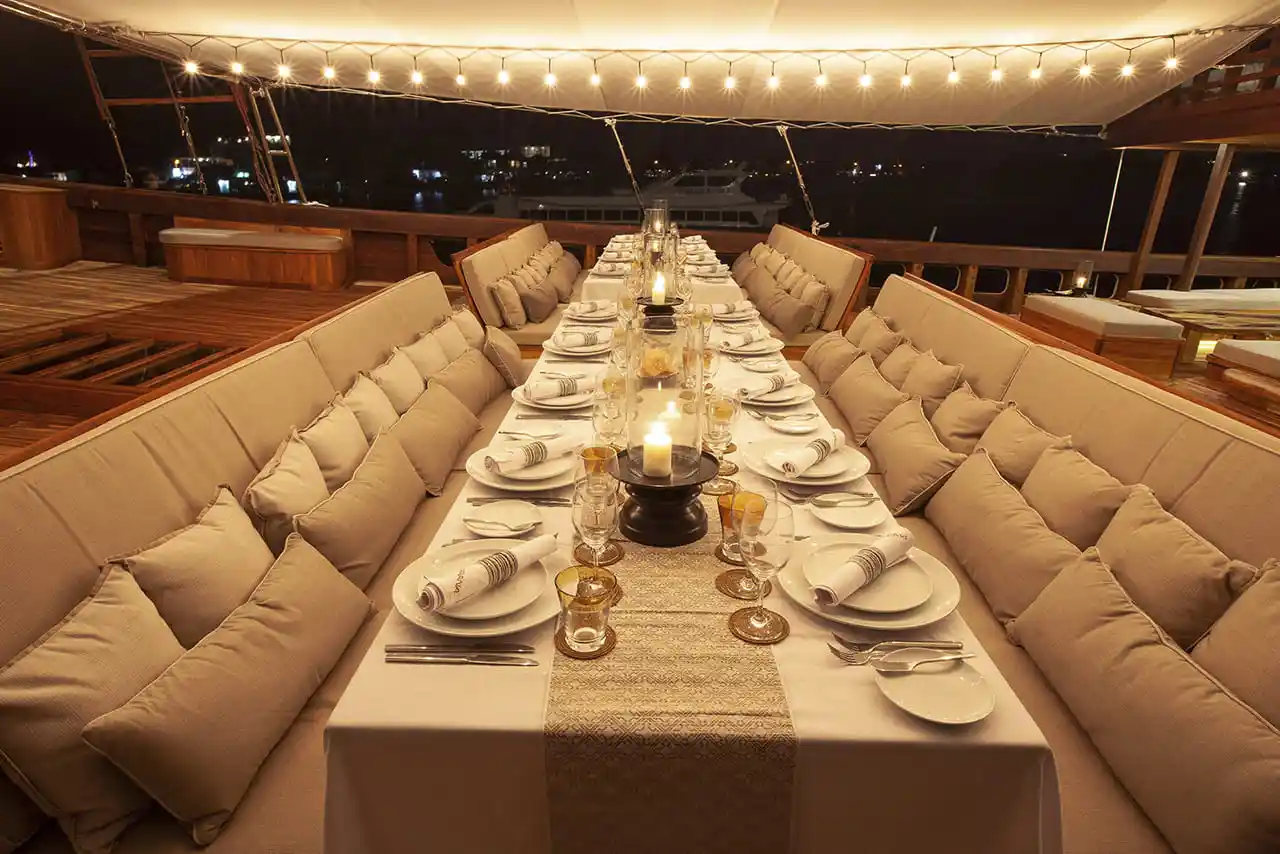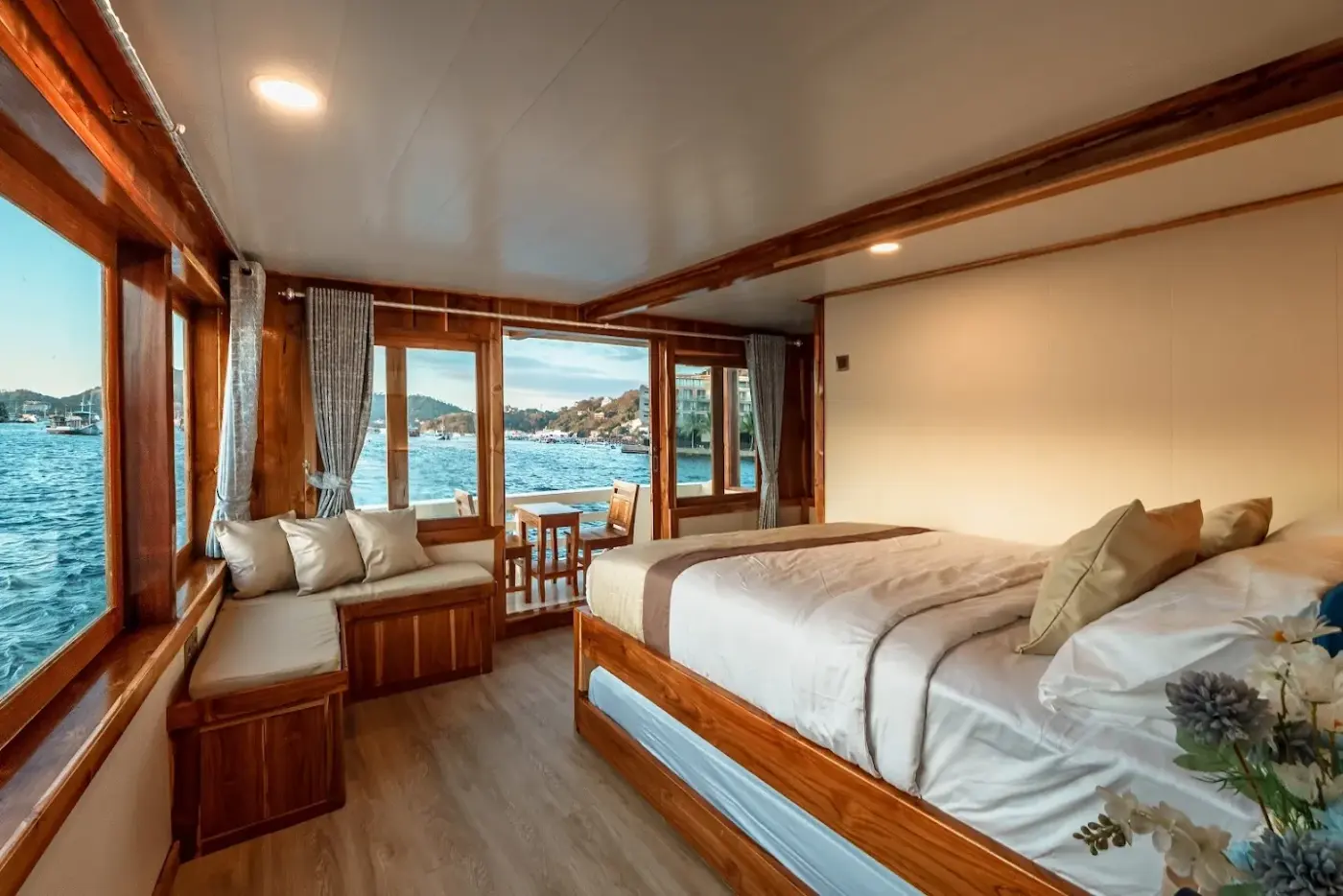
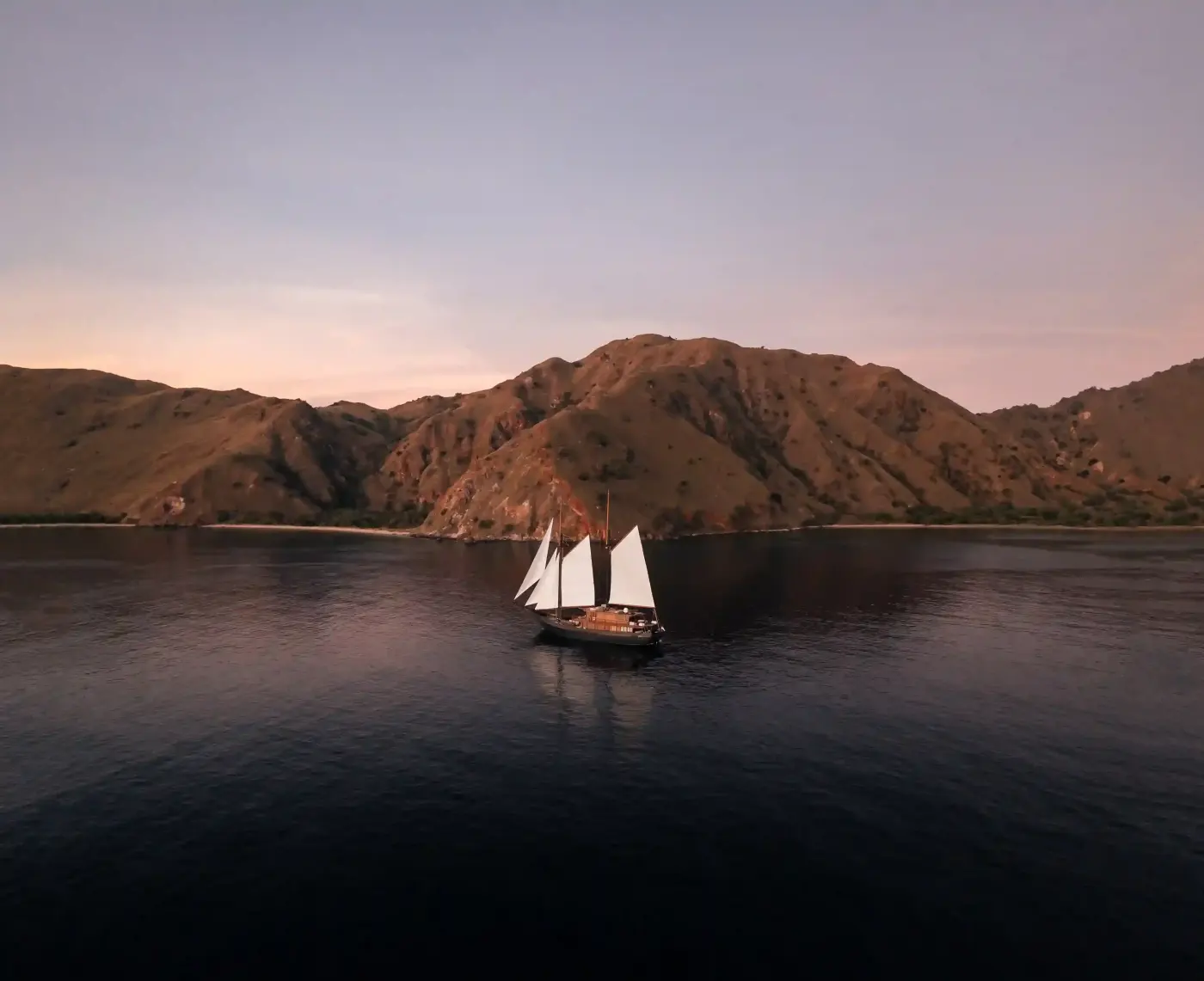
Commissioning a Phinisi new build in South Sulawesi offers a unique blend of tradition and modern luxury. With prices ranging from USD 1.2M-3.5M (indicative, confirmed on enquiry), the process involves master shipwrights and traditional methods. Start your journey with Komodo Boat For Sale, operated by Komodo Luxury.
Phinisi Construction History and UNESCO Recognition
The Phinisi, also known as Pinisi, is a traditional Indonesian sailing ship originating from South Sulawesi. Recognized by UNESCO as an Intangible Cultural Heritage, the Phinisi represents the maritime prowess of the Bugis and Makassarese people. Its history dates back centuries, showcasing a blend of local craftsmanship and cultural heritage.
Key Shipbuilding Centers in South Sulawesi
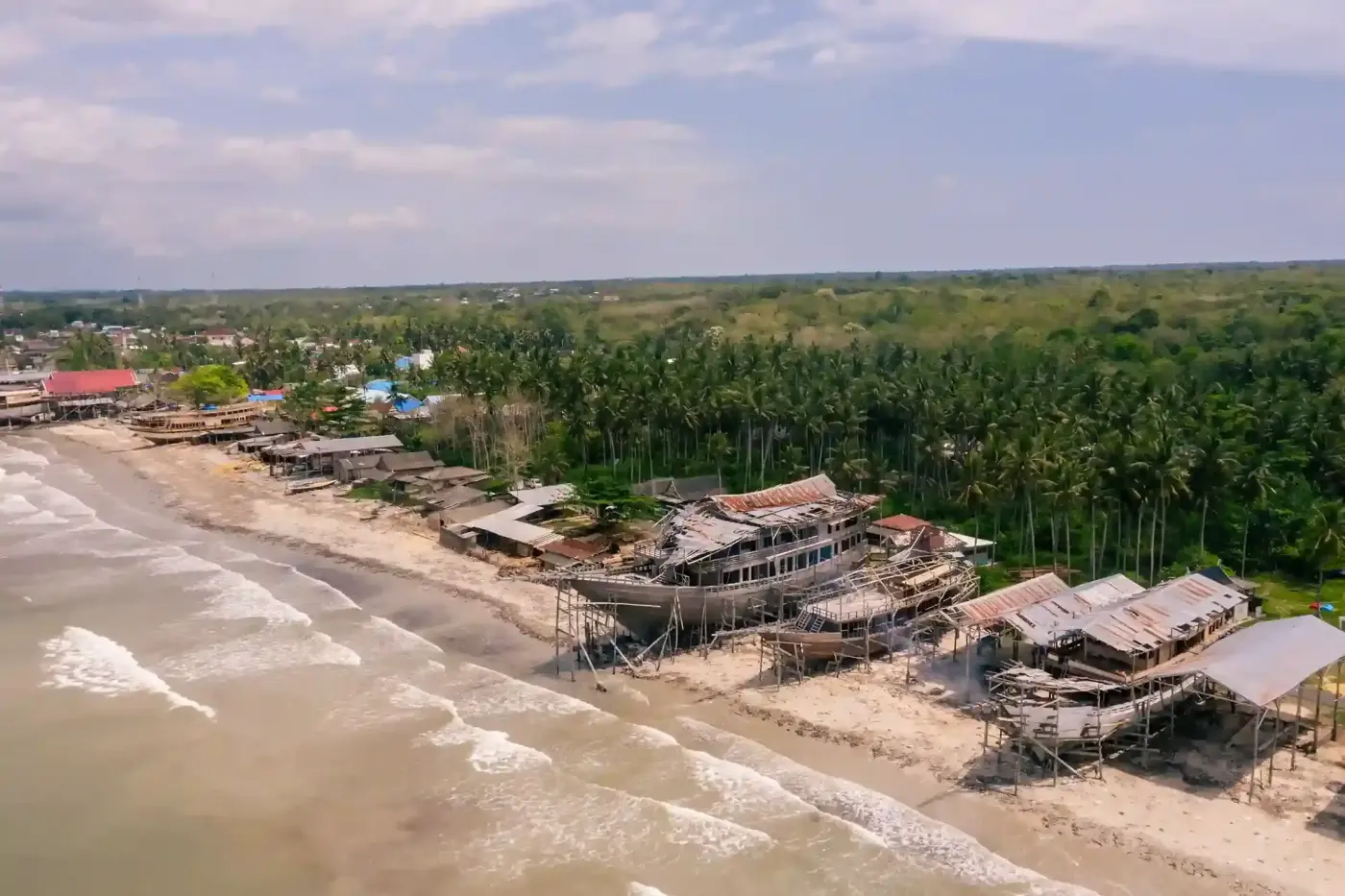
South Sulawesi is home to key Phinisi shipbuilding centers, including Tana Beru, Bira, and Batu Licin. These areas are renowned for their skilled craftsmen and traditional methods. Tana Beru, in particular, is famed for its beachside construction sites where vessels are laid down on sand, a a sign of centuries-old practices.
The Role of Panrita Lopi in Traditional Building
The Panrita Lopi, or master shipwrights, play a crucial role in Phinisi construction. These craftsmen inherit their skills through oral traditions, ensuring the preservation of techniques passed down through generations. Their expertise is central to the creation of these hand-built wooden ships, utilizing traditional methods without modern machinery.
What We Check
- Master shipwright credentials
- Construction materials
- Traditional vs. modern techniques
- Estimated build timelines
Materials Used: Ironwood, Teak, and Canvas Sails
Phinisi ships are constructed using durable materials such as ironwood and teak, known for their strength and longevity. Canvas sails are traditionally used, contributing to the vessel’s authentic maritime heritage. The choice of materials is critical, as it ensures the vessel’s durability and seaworthiness.
Building Without Blueprints: The Oral Tradition of Pinisi Boatbuilding
Phinisi construction is unique in that it relies on oral traditions rather than blueprints. This method allows for flexibility and adaptation to the specific needs of each build. The Panrita Lopi guide the process, ensuring that each vessel meets the high standards expected of Sulawesi schooners.
Modern Shipyards vs. Traditional Beach Construction
While traditional beach construction remains popular, modern shipyards like Pacific High offer an alternative. These facilities provide enhanced resources and modern techniques that complement traditional methods. However, the choice depends on the desired outcome and client preferences.
Phinisi Rigging, Sails, and Maritime Heritage Features
Phinisi rigging is a defining feature, with its distinctive sails paying homage to Indonesia’s maritime heritage. Each element, from the rigging to the sails, is crafted with precision, maintaining the vessel’s historical and cultural significance.
Bespoke Luxury Yacht Commissioning Process for International Clients
International clients seeking a bespoke luxury yacht can commission a Phinisi through a structured process. This involves selecting materials, collaborating with master shipwrights, and customizing the vessel to suit personal preferences. The commissioning process is tailored to deliver a unique maritime experience.
Who It’s For
- International yacht enthusiasts
- Investors in maritime heritage
- Clients seeking bespoke luxury
- Cultural preservation advocates
Cultural Preservation and Intangible Heritage of South Sulawesi Boatbuilding
The cultural preservation of Phinisi boatbuilding is vital to maintaining South Sulawesi’s intangible heritage. Efforts to sustain traditional practices are supported by local communities and international recognition, ensuring that future generations can continue this storied craft.
Phinisi Construction Timeline and Final Touches
The construction timeline for a Phinisi typically spans 12-24 months, depending on specifications and complexity. Final touches include sanding, sealing, and painting, ensuring that each vessel is seaworthy and aesthetically aligned with client expectations.
Planning for 2027
For those looking to own or earn from a Phinisi by the 2027 season, the time to commission or purchase is now. The best vessels are often secured before they are listed.
To explore Phinisi ownership or new-build opportunities, make an enquiry on WhatsApp or contact us at sales@komodoluxury.com. Start your journey with Komodo Boat For Sale today.
Bugis and Sulawesi Schooner Maritime Identity
The Bugis people of South Sulawesi have long been revered for their exceptional maritime skills, which are deeply ingrained in their cultural identity. The Bugis shipbuilders, known as Panrita Lopi, have passed down their knowledge through generations, crafting the renowned Phinisi and Sulawesi schooner with precision and artistry. These hand-built wooden ships are not only functional but also represent the rich maritime heritage of the region.
Key locations such as Tana Beru, Bira, and Batu Licin are integral to this tradition, where the skills of crafting these vessels are honed. Recognized by UNESCO as an Intangible Cultural Heritage, the Phinisi boatbuilding tradition continues to thrive, blending traditional methods with modern demands.
- Key Materials: Ironwood, Teak, Canvas sails
- Craft Locations: Tana Beru, Bira, Batu Licin
- UNESCO Recognition: Intangible Cultural Heritage
As you consider commissioning a Phinisi, understanding this rich cultural tapestry will enhance your appreciation of these vessels. For insights on purchasing or commissioning a Phinisi, explore our dedicated page.
Sustainability and Future of Phinisi Boatbuilding
Sustainability is increasingly central to the future of Phinisi boatbuilding. Traditional boatbuilders in South Sulawesi are incorporating sustainable practices, balancing the use of precious materials like Ironwood and Teak with modern environmental concerns. This evolution is crucial as demand for bespoke luxury yachts grows, with many seeking a unique maritime experience paired with an eco-conscious ethos.
At shipyards such as Pacific High, efforts to sustainably source materials and minimize environmental impact are becoming standard. This approach not only preserves the natural resources but also ensures the longevity of the Phinisi building tradition.
- Sustainable Materials: Responsibly sourced Ironwood and Teak
- Eco-Friendly Practices: Reduced waste, low-impact sourcing
- Future Focus: Balancing tradition with sustainability
Whether planning for a 2027 build or exploring current pricing, consider how sustainability shapes these majestic vessels. To discuss your needs, plan your 2027 Komodo trip on WhatsApp.
Phinisi Construction History and UNESCO Recognition
The phinisi, also known as the pinisi, is a traditional Indonesian sailing ship, historically constructed by the Bugis and Makassarese people in South Sulawesi. These hand-built wooden ships have been crafted for centuries, playing a significant role in Indonesia’s maritime heritage. The phinisi’s iconic design and skilled craftsmanship earned it recognition by UNESCO as an Intangible Cultural Heritage in 2017. This acknowledgment highlights the cultural and historical importance of traditional boatbuilding techniques in South Sulawesi.
Historically, phinisis were used for trade and transportation across the archipelago. Today, they have been adapted into bespoke luxury yachts, offering a unique blend of tradition and modern luxury. For those interested in commissioning a new build, understanding the history and cultural significance of the phinisi is crucial, as it informs the design and construction process.
- UNESCO Recognition: 2017
- Historical Usage: Trade and transportation
- Modern Usage: Luxury tourism and charter
For those planning a 2027 trip to Komodo National Park, the cost of entry is anticipated to be around USD 32-64 (indicative 2026 rate, subject to annual adjustment). Consider exploring the park aboard a traditional phinisi for a truly authentic experience.
For more details on commissioning your own phinisi, explore our phinisi listings.
Key Shipbuilding Centers in South Sulawesi: Tana Beru, Bira, Batu Licin
Tana Beru, Bira, and Batu Licin are renowned shipbuilding centers in South Sulawesi, each playing a pivotal role in the construction of phinisis. These villages are home to skilled Bugis shipbuilders who continue to employ traditional techniques passed down through generations.
In Tana Beru, the heart of phinisi construction, shipyards are a common sight, with craftsmen expertly shaping ironwood and teak into the hulls of these iconic vessels. Bira, known for its scenic beaches, also boasts a rich tradition of boatbuilding, where visitors can witness the meticulous process firsthand. Batu Licin, though less famous, contributes significantly to the industry, with its craftsmen known for their attention to detail and expertise.
- Main Centers: Tana Beru, Bira, Batu Licin
- Materials Used: Ironwood and teak
- Role: Crafting traditional and luxury phinisis
If you’re considering a new build or purchasing a phinisi, visiting these shipbuilding centers provides invaluable insight into the craft. Explore our new build options to understand more about the bespoke process.
The Role of Panrita Lopi in Traditional Building and Materials Used
The Panrita Lopi, or master shipwrights, are the cornerstone of traditional phinisi construction. These highly skilled individuals oversee every aspect of the build, ensuring that each vessel is crafted to the highest standards. The expertise of the Panrita Lopi is crucial, as the construction process involves complex techniques and the use of specific materials.
Ironwood and teak are the primary materials used in building phinisis. Ironwood, known for its durability and resistance to marine conditions, forms the backbone of the ship’s structure. Teak is prized for its aesthetic qualities and weather resistance, making it ideal for decking and finishing touches.
Traditional phinisis also feature canvas sails, a nod to their historical design and functionality. These materials not only ensure the vessel’s longevity but also maintain the authenticity of the phinisi’s design.
| Material | Use |
|---|---|
| Ironwood | Hull and structure |
| Teak | Decking and finishing |
| Canvas sails | Sailing functionality |
For those planning to commission a phinisi, understanding the role of the Panrita Lopi and the materials used is essential. To learn more about the investment required, visit our page on phinisi pricing.
Ready to plan your 2027 Komodo trip? Contact us on WhatsApp.