Buying a Phinisi Guide: Expert Insights & Steps

What is a Phinisi?

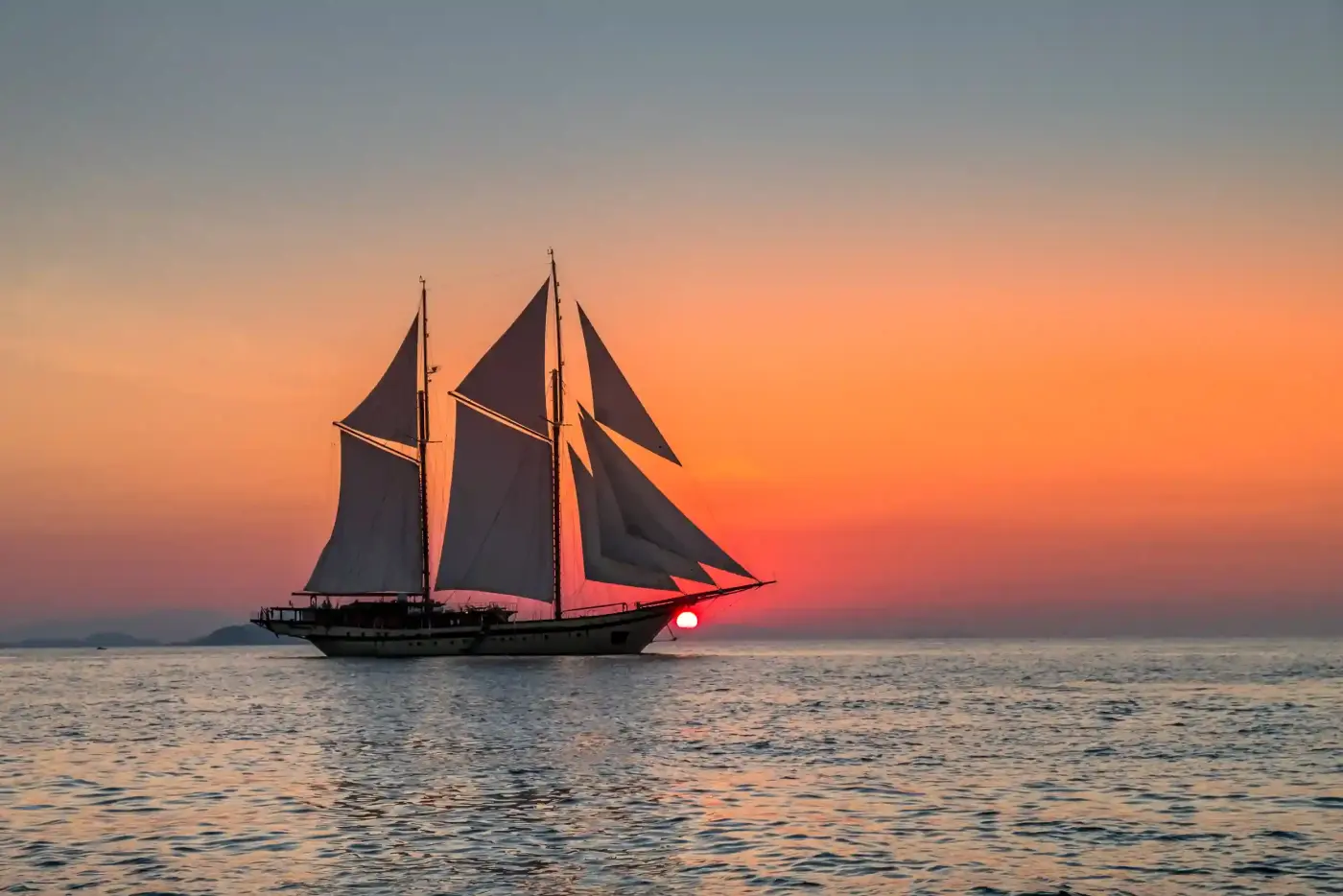
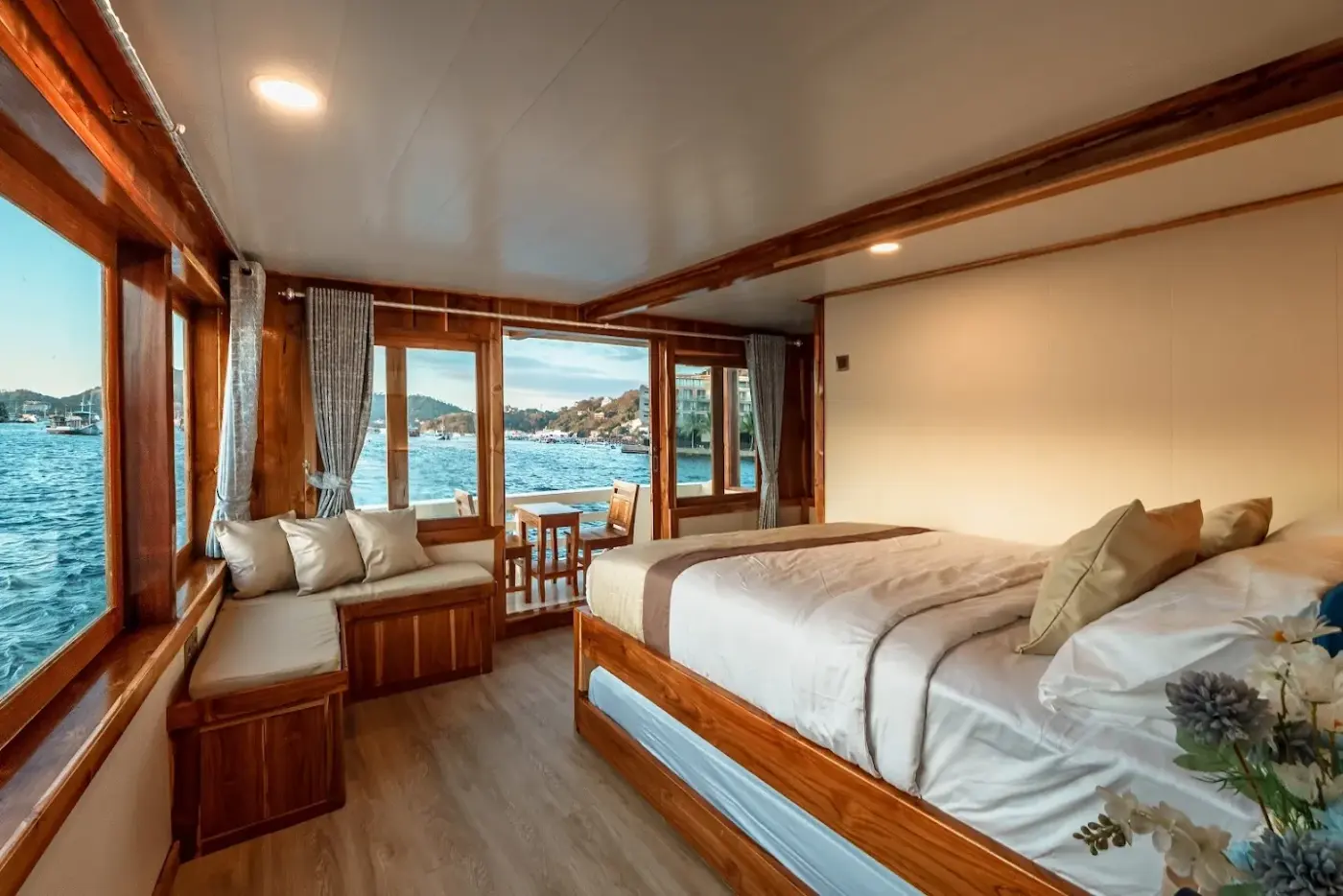
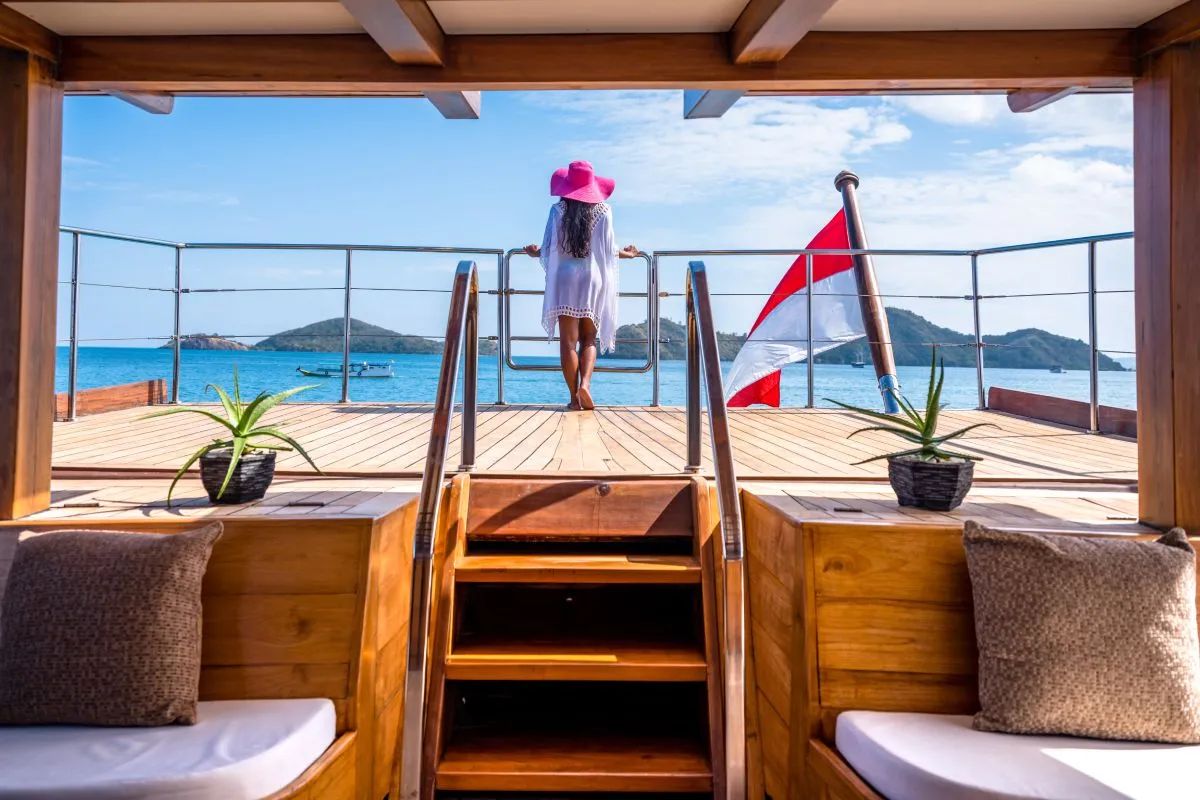
A Phinisi is a traditional gaff-ketch sailing rig originating from South Sulawesi, specifically the Konjo-speaking residents of Bulukumba and Ara. While technically referring to the rigging, it commonly describes the entire wooden vessel, often a palari hull, used in trade, fishing, and luxury tourism. Recognized by UNESCO as an Intangible Cultural Heritage of Humanity, modern phinisis range from 40m to 60m in length, combining cultural craftsmanship with luxury amenities.

Used vs New-build Phinisi

Choosing between a used and a new-build phinisi involves considering availability, cost, and intended use. New-build phinisis, constructed over 12-24 months at shipyards like Tana Beru, offer customization and modern amenities. Used phinisis are scarce, requiring thorough checks on hull integrity and engine history. Explore our phinisi for sale listings to find current opportunities.

Building a Phinisi in South Sulawesi

Phinisis are traditionally built in South Sulawesi, using ironwood from local forests. Shipbuilders in places like Tanah Beru craft these vessels by hand, laying the hulls on sand. The construction process is a blend of tradition and technique, with the taller foremast and distinctive sails defining their silhouette. Discover more about the new-build process.

Pre-purchase Survey

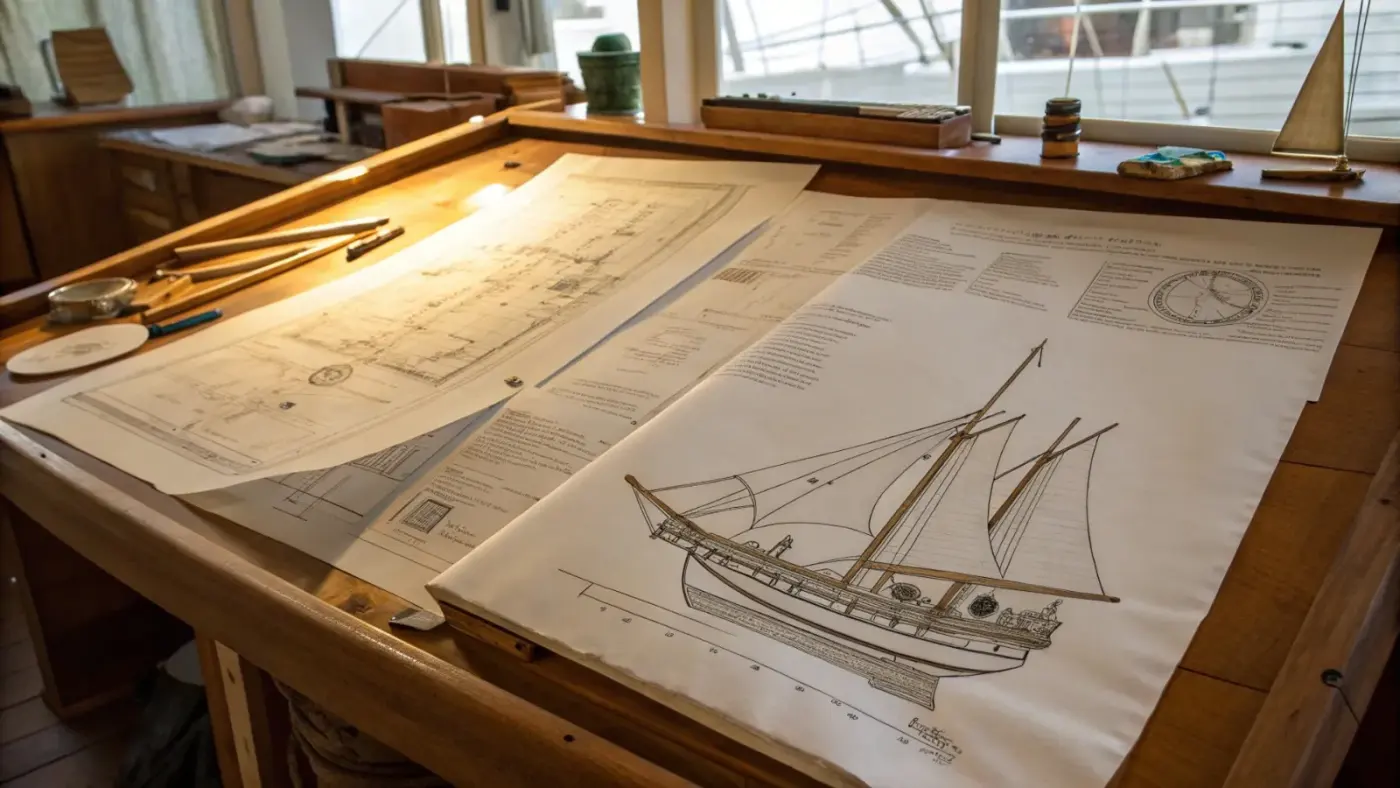
A pre-purchase survey is essential for assessing phinisi quality. Key checks include hull condition, engine systems, and legal documents such as ownership proofs and flagging compliance. Indonesian vessels must be locally owned to operate commercially. More details on the buying process can be found here.

Indicative Price Ranges and Drivers

Phinisi prices vary based on size, materials, and finish. A 45m luxury phinisi may range from USD 5-6 million, while 60m vessels can reach around USD 10 million. Factors affecting cost include craftsmanship, material quality, and market demand. For a detailed breakdown, visit our pricing guide.

Ownership and Running Costs

Running a phinisi involves costs such as crew salaries, fuel, maintenance, and insurance. Charter rates can offset these, with top-tier vessels earning USD 105,000–130,900 per week. Operating costs are generally lower than European yachts due to local labor and materials. Learn about charter management for income potential.

Indonesian Ownership and Flagging

Foreigners must establish a PT PMA to own an Indonesian-flagged vessel, a requirement for commercial operations. This involves navigating local legal frameworks and ensuring compliance with maritime regulations. For guidance, consult our brokerage services.

Putting a Boat into Charter Income

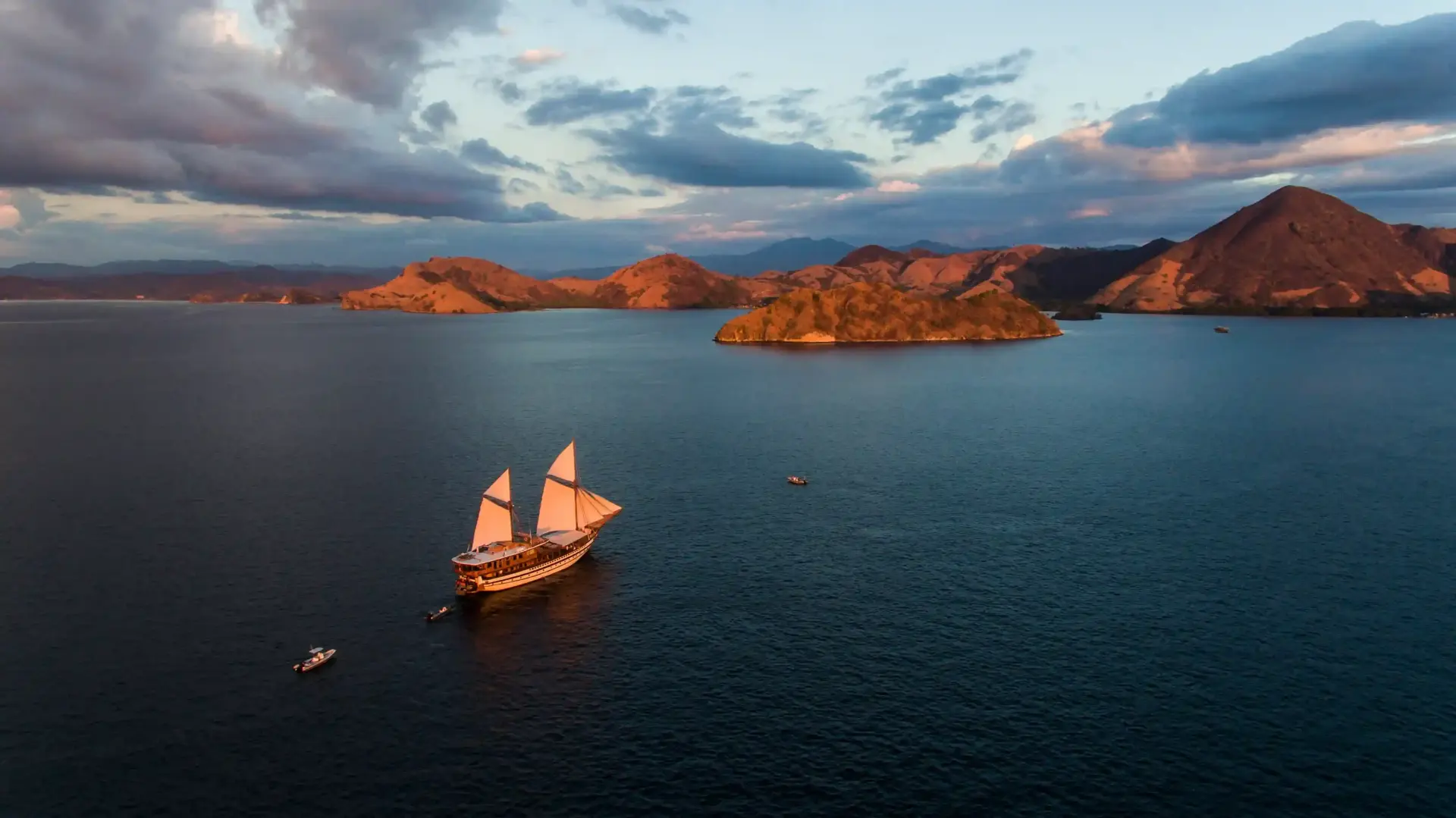
Chartering a phinisi can be lucrative, especially in popular locations like Komodo and Raja Ampat. Effective charter management involves bi-seasonal migration, marketing, and crew coordination. Returns vary with tourism trends and vessel quality.

Step-by-Step Buying Process

  • Define your needs and budget
  • Research available phinisis
  • Conduct a pre-purchase survey
  • Secure financing and legal representation
  • Complete the purchase and flagging
  • Plan for maintenance and charter management

Planning for 2027? Consider future tourism trends and vessel longevity when making your purchase decision. For personalized assistance, make an enquiry on WhatsApp.

Phinisi History and Maritime Origins in South Sulawesi

The Phinisi, a two-masted traditional sailing ship, has a rich maritime history rooted in South Sulawesi, Indonesia. These vessels were initially crafted by the Konjo boatbuilders and Bugis shipwrights, renowned for their expertise in constructing sturdy wooden hulls capable of navigating high waves. Historically, Phinisi were utilized as trade and fishing vessels, playing a crucial role in archipelagic commerce. As time evolved, these ships transitioned from functional trade vessels to luxurious liveaboard yachts, offering unique charter experiences in Indonesia.

For centuries, Phinisi have been an integral part of the region’s maritime culture, embodying the craftsmanship and seafaring traditions of the Bugis and Konjo communities. Their distinctive features, such as impressive sails and graceful lines, continue to captivate maritime enthusiasts and potential buyers alike.

  • Origin: South Sulawesi, Indonesia
  • Initial Use: Trade and fishing
  • Craftsmen: Bugis shipwrights and Konjo boatbuilders

Today, their legacy continues as many seek to own these exquisite vessels. For more insights into owning a piece of this maritime tradition, explore our Phinisi listings. To plan your 2027 Komodo trip, contact us on WhatsApp.

Konjo and Bugis Shipwright Traditions and Craftsmanship

The Konjo and Bugis communities are at the heart of Phinisi craftsmanship, known for their meticulous boatbuilding skills passed down through generations. These shipwrights construct the Phinisi under simple bamboo and thatch shelters, adhering to traditional methods that ensure the ship’s durability and seaworthiness.

The process begins with selecting high-quality timber for the sturdy wooden hull, followed by the precise assembly of the ship’s frame. This craftsmanship results in a vessel known for its impressive sails and ability to gracefully navigate diverse waters. The expertise of Konjo boatbuilders and Bugis shipwrights is evident in the distinctive features of Phinisi yachts, from their robust construction to their aesthetic lines.

  • Construction: Bamboo and thatch shelters
  • Materials: High-quality timber for durability
  • Distinctive Feature: Graceful lines and impressive sails

For those interested in commissioning a new build, we offer detailed guidance on the process and costs. Visit our guide to Phinisi new builds for more information. To plan your 2027 Komodo trip, contact us on WhatsApp.

Luxury Crewed Charter Experiences in Indonesia

Phinisi yachts have evolved into luxurious liveaboard yachts, offering exceptional crewed charter experiences across the Indonesian archipelago. These vessels are equipped with modern amenities while retaining their traditional charm, making them ideal for exploring remote destinations like Komodo National Park. The best season for such charters is between June-September and December-January, allowing guests to enjoy the region’s natural beauty and biodiversity.

Charter vessels range in price, with indicative costs for a liveaboard Phinisi charter being USD 400k-900k, depending on the duration and specific amenities offered. These charters provide a unique opportunity to discover Indonesia’s rich marine life and stunning landscapes, all while enjoying the comforts of a luxury yacht.

SeasonIndicative Price Range
June-SeptemberUSD 400k-900k
December-JanuaryUSD 400k-900k

For more comprehensive planning and pricing details, visit our Komodo Charter Management page. To plan your 2027 Komodo trip, contact us on WhatsApp.

Distinctive Features of Two-Masted Wooden Phinisi Yachts

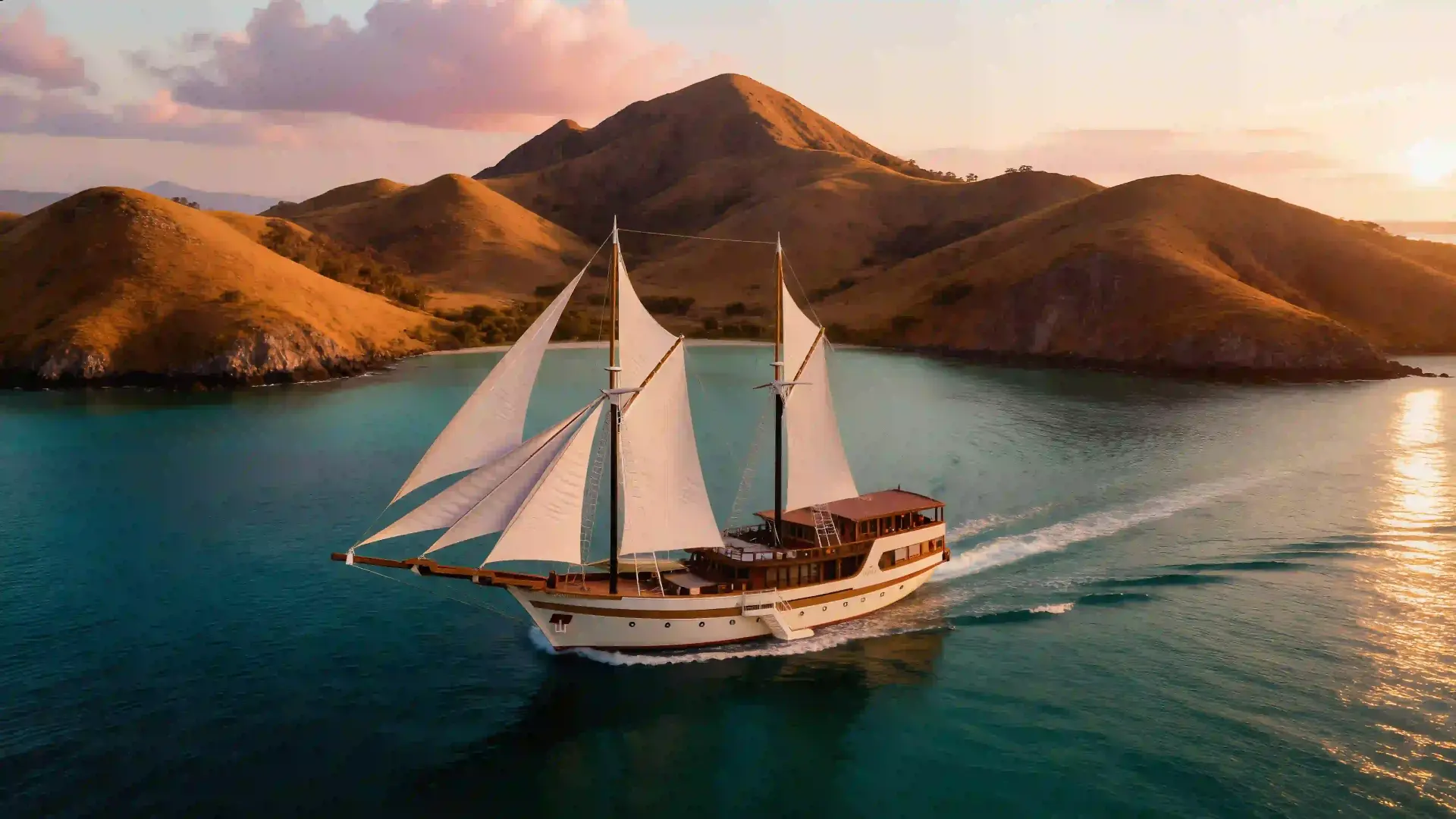
Phinisi yachts, crafted predominantly in South Sulawesi, Indonesia, are renowned for their unique build, which harkens back to centuries-old maritime traditions. These two-masted sailing ships feature a sturdy wooden hull and impressive sails, combining the traditional craftsmanship of Konjo boatbuilders and Bugis shipwrights. Their graceful lines and robust construction make them not only visually striking but highly functional, suitable for both high-seas navigation and serene coastal cruising.

Phinisi yachts have evolved from their origins as trade and fishing vessels into luxurious liveaboard yachts. This transformation has expanded their appeal significantly, offering modern amenities while maintaining their historical charm. They are ideal for those looking to purchase a unique vessel, with prices for traditional models ranging from USD 250k-450k (indicative, confirmed on enquiry).

  • Two-Masted Design: Enhances stability and maneuverability.
  • Wooden Hull: Offers durability and an authentic maritime experience.
  • Historical Aesthetics: Reflects Indonesia’s rich maritime history.

Explore more about owning such a vessel by visiting our Phinisi for Sale page.

For those considering chartering a Phinisi, these yachts are available from USD 400k-900k (indicative, confirmed on enquiry) depending on size and amenities.

Phinisi Construction Process Under Bamboo and Thatch Shelters

The construction of a Phinisi is a meticulous process that takes place under bamboo and thatch shelters, reflecting the traditional shipbuilding techniques of the Konjo and Bugis communities. These shelters provide natural protection from weather conditions while allowing artisans to work in a conducive environment. The process begins with the selection of high-quality timber, crucial for the sturdy wooden hull that defines Phinisi yachts.

Konjo boatbuilders employ a combination of ancient skills and modern innovations to ensure the vessels meet contemporary standards for safety and comfort. The use of hand tools and traditional joinery techniques ensures each yacht bears the hallmark of authentic craftsmanship.

StageDetails
Timber SelectionChoice woods for durability
Hull ConstructionTraditional joinery techniques
Fitting and FinishingModern amenities integration

Those interested in new builds can expect costs between USD 1.2M-3.5M (indicative, confirmed on enquiry). For more details, visit our Phinisi New Build section.

Plan your 2027 Komodo trip by reaching out directly via WhatsApp.

Crew Roles and Onboard Life on Luxury Phinisi Cruises

On a luxury Phinisi cruise, the crew plays a vital role in ensuring a smooth and enjoyable experience for all guests. These crewed charters typically include a captain, deckhands, engineers, chefs, and hospitality staff, each contributing their unique skills to maintain the high standards expected on such voyages.

The captain oversees navigation and safety, ensuring the vessel handles various conditions, including high waves, with ease. Deckhands assist with sailing operations and maintenance, while the engineering team keeps all machinery and systems running efficiently. Culinary experiences are crafted by skilled chefs, who prepare meals that highlight local flavors and international cuisine.

  • Captain: Responsible for navigation and safety.
  • Deckhands: Handle the sails and maintenance tasks.
  • Chefs: Create gourmet meals onboard.
  • Hospitality Staff: Ensure guest comfort and satisfaction.

Life onboard a luxury Phinisi cruise is characterized by comfort and adventure, with itineraries planned around the best sailing seasons of June to September and December to January. For those considering chartering a Phinisi, it’s crucial to understand these dynamics, and more insights can be found at our Komodo Charter Management page.

For details on arranging your cruise, including planning for 2027, contact us via WhatsApp.

Thinking of owning a phinisi in Komodo?

Tell our Komodo Luxury brokerage desk what you have in mind - buying, commissioning a new build, or putting a boat into charter income. We reply with an honest assessment, indicative figures and clear next steps. No fake listings, no pressure.

Call Enquire on WhatsApp