Komodo Liveaboard for Sale — Dive & Charter Vessels

Komodo Liveaboard for Sale

A Komodo liveaboard for sale is a vessel already configured to sleep, feed and dive
paying guests for several nights inside Komodo National Park
— normally four to twelve
cabins, a crew mess separate from guest space, freshwater capacity for multi-day runs, and a
tender that can work a beach landing at Padar. That configuration, not the hull material, is what
separates a liveaboard from a day boat, and it is what sets the price. Vessels in this class trade
in Labuan Bajo across a wide band, and the number on the listing is only meaningful once you know
what is travelling with it: crew, permits, mooring position and forward bookings.

What actually defines a liveaboard in this market

Buyers arriving from Mediterranean or Caribbean markets often expect a class certificate to do
the defining. In eastern Indonesia the working definition is operational. A vessel is treated as a
liveaboard when it holds overnight guests legally and comfortably, which in practice means:

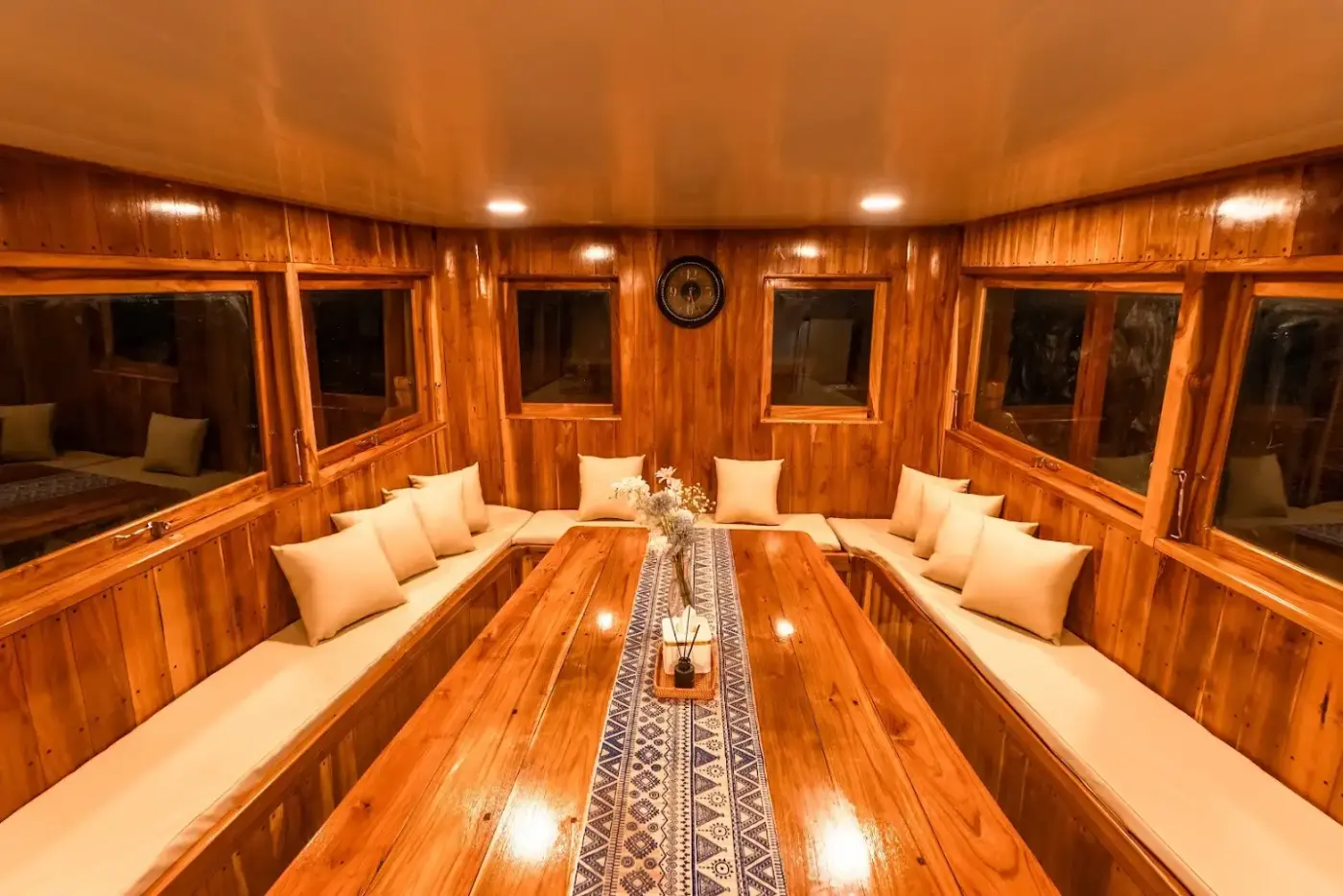
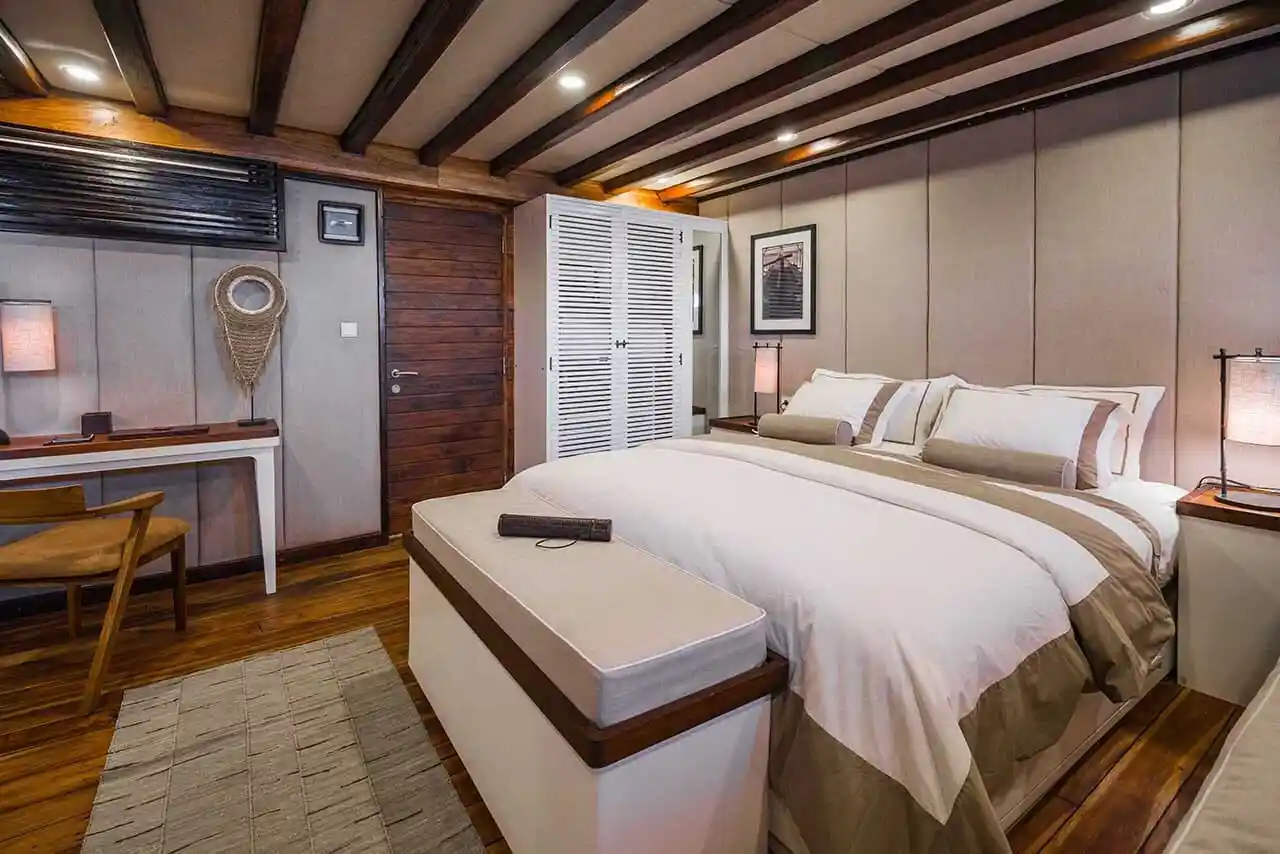
  • Guest cabins with fixed berths — convertible saloon seating does not count toward
    the cabin number a charter agent will publish.
  • Independent crew accommodation, because guest-facing operators will not book a boat
    where crew sleep in the saloon.
  • Water and fuel autonomy of at least four days on a normal Komodo loop without
    returning to Labuan Bajo to refill.
  • A working tender and dive platform sized for the guest count, not a token dinghy.
  • Documentation for overnight passenger carriage, which is where a lot of otherwise
    attractive hulls fail.

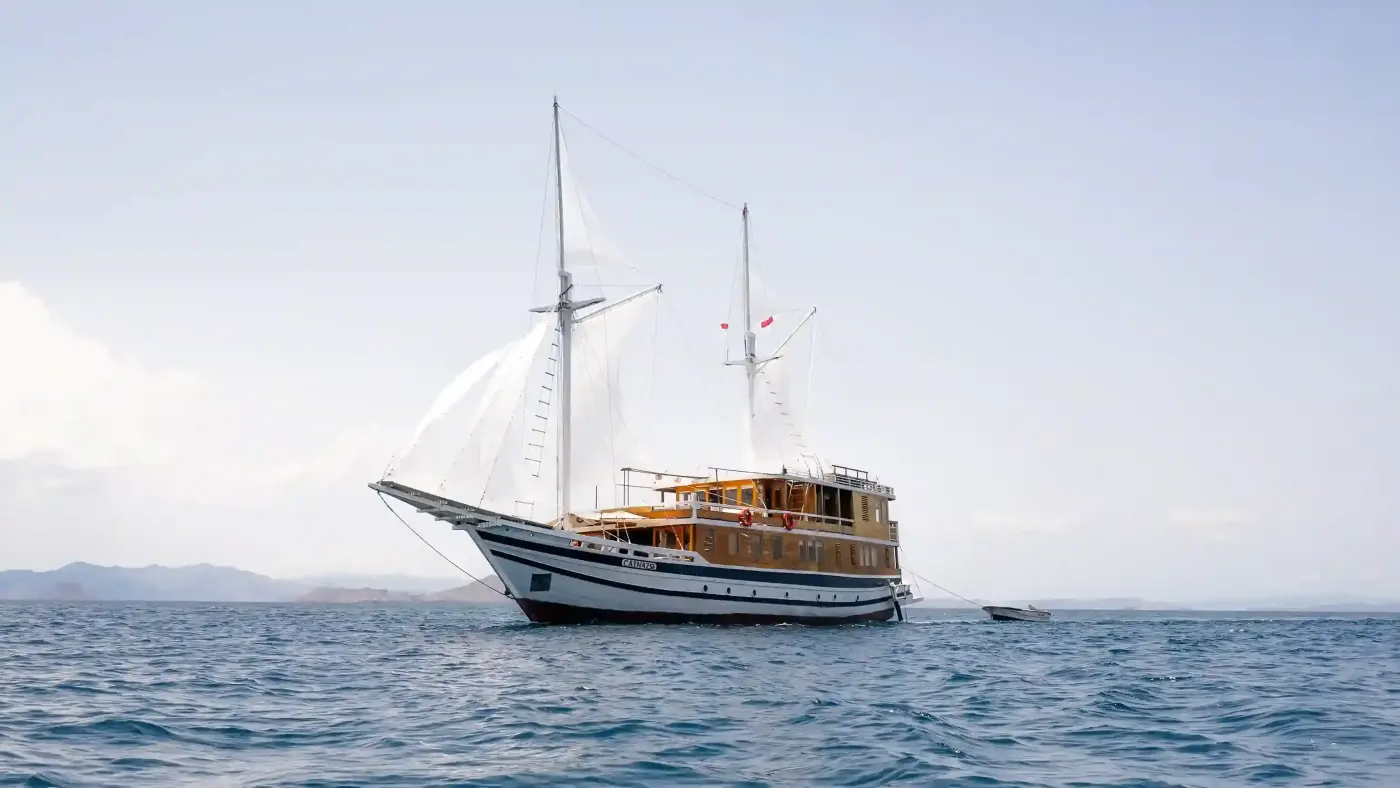
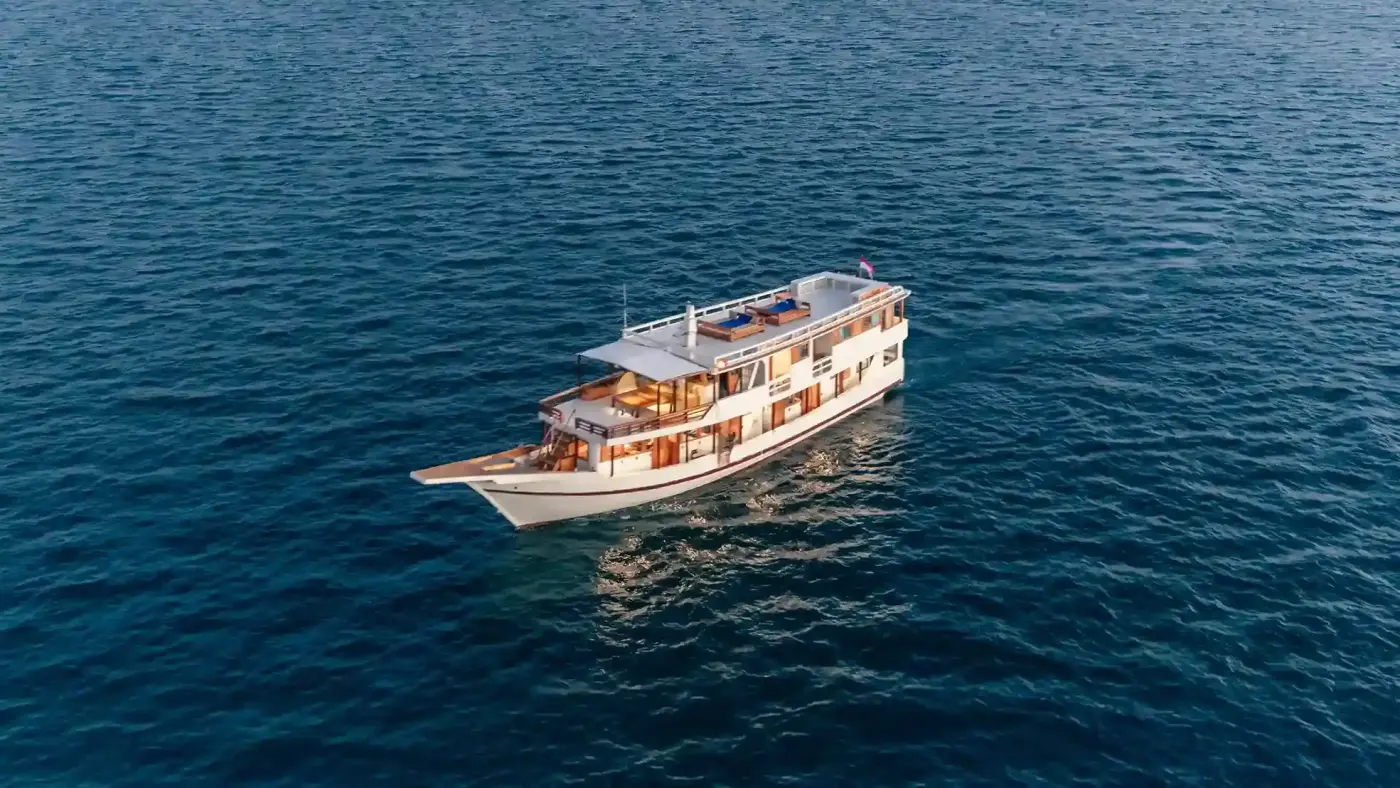
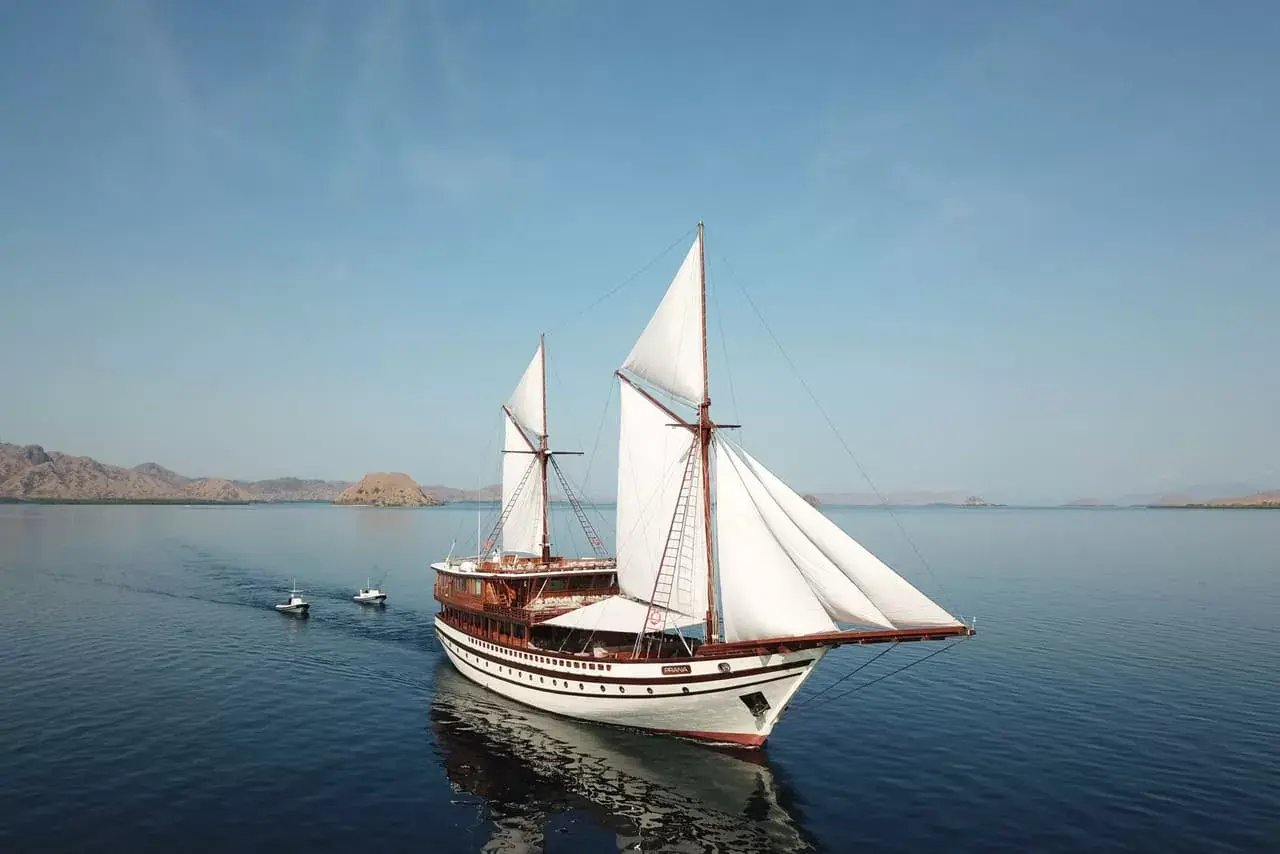
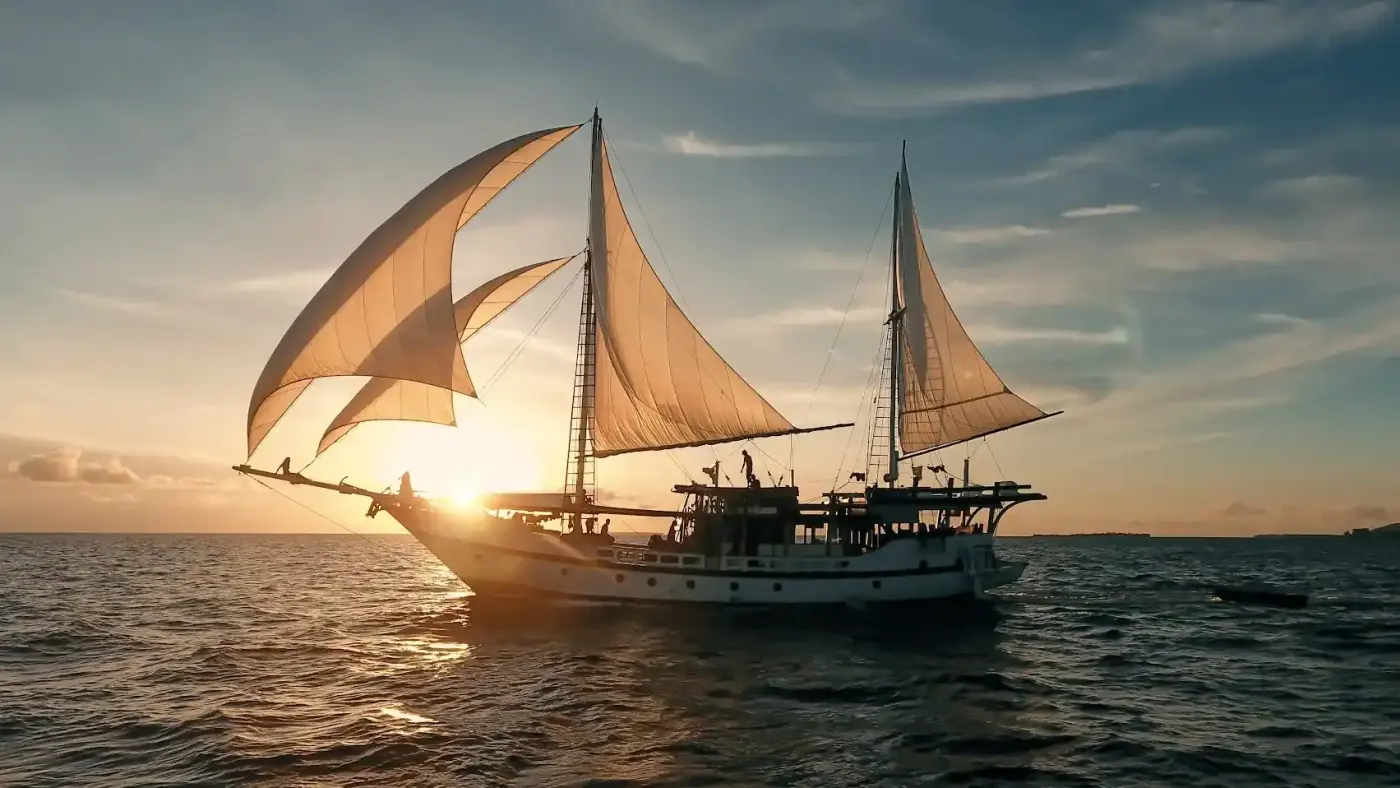
A wooden phinisi, a steel motor-yacht and a modern catamaran can all satisfy that list. Each has
a different cost curve afterwards, which is why the survey matters more than the aesthetic.

Indicative price bands

These are the bands we see quoted for vessels genuinely ready to carry guests, not project boats.
Treat them as orientation for a first conversation; the survey moves the number.

ClassTypical cabinsIndicative USDWhat drives the spread
Compact wooden phinisi4–6250,000 – 550,000Hull age, ironwood vs mixed timber, engine hours
Mid-size phinisi, guest-fitted6–9550,000 – 1,200,000Cabin finish, ensuite count, generator redundancy
Premium phinisi / motor-yacht8–121,200,000 – 3,500,000Stabilisation, watermaker capacity, brand history
Dive-specialist liveaboard8–16600,000 – 2,000,000Compressor bank, nitrox, tank storage, dive tenders

Two boats with identical cabin counts can sit a full band apart. The gap is almost always
mechanical redundancy and hull condition below the waterline, both invisible in listing photos.

What transfers with the vessel — and what does not

This is the part of a Komodo liveaboard purchase that surprises buyers most. The hull is the
simple asset. The operating value sits in items that require separate handling:

  • Crew. A captain who knows the currents at Batu Bolong and a chef who can produce
    guest-grade food from a phinisi galley are genuinely scarce. Retention needs to be negotiated as
    part of the deal, not assumed.
  • Park and passenger permits. Some documents follow the vessel, others follow the
    operating company. Establishing which is which before signing avoids a boat that cannot legally
    work for months.
  • Mooring position. Harbour positions in Labuan Bajo have practical value and are
    sometimes negotiated alongside the hull.
  • Forward bookings. A boat sold in September may carry confirmed charters into the
    following high season. Those deposits are an asset — or a liability — depending on how the
    contract is drafted.

Survey priorities specific to liveaboards

A liveaboard survey is not a yacht survey with the same checklist. The vessel is a small hotel
that has to keep running with guests aboard, four hours from a workshop. We push buyers to fund
inspection depth in this order: hull below the waterline and fastening condition; main engine and
gearbox with an oil analysis; generator redundancy, because a single generator failure ends a
charter; freshwater production and storage; fire suppression and life-saving appliances against
the declared guest count; then cosmetics. Reversing that order is the most common and most
expensive mistake we see.

How the desk handles a purchase

We work from a defined brief — cabin count, budget band, intended operating month — and return a
shortlist with survey history, engine hours and ownership structure already checked. Viewings run
harbour-side in Labuan Bajo so you see the vessel in its working environment rather than staged at
a marina. If a suitable boat does not exist in the current market, we will say so, and the same
desk can scope a new build in South Sulawesi instead of pushing a compromise hull.

Related reading

Frequently asked questions

Can a foreign buyer own a Komodo liveaboard?

Foreign buyers routinely acquire vessels operating in Komodo, but ownership is normally structured through an Indonesian entity rather than held personally, because commercial passenger operation requires local operating standing. The structure is decided before the deposit, not after, and it changes the tax and permit path materially.

How long does a liveaboard purchase take from offer to handover?

Six to twelve weeks is realistic for a vessel with clean documents. Survey scheduling and slipway availability in Labuan Bajo are the usual constraints, and both tighten sharply in the months before high season.

Should I buy a boat already in charter, or an idle one?

A boat in active charter carries proven income and a working crew, and usually commands a premium. An idle vessel is priced lower but the reason for idleness — mechanical, documentary or commercial — needs to be established with evidence before it becomes your problem.

What ongoing costs should I budget after purchase?

Crew, maintenance, park fees, insurance and an annual slipway period. Owners who plan on charter income should model an off-season with no revenue but full crew retention costs, because that is the season that decides whether the asset works.

Who you are contracting with

Komodo Boat For Sale is a specialist maritime brand and digital platform under Juara Holding Group. Vessel-sale, construction and refit contracts are issued by PT Komodo Galangan Nusantara. Brokerage, central agency and charter representation contracts are issued by PT Komodo Bahari Nusantara. Boat-management contracts are issued by PT Komodo Vessel Management. Separate contracts, separate fees, separate ledgers — one integrated maritime ecosystem.

Talk to the desk

Every enquiry reaches a named broker, not a form queue. Send the vessel type, the cabin count you need and the month you want to be operating, and you will get the current shortlist with survey history attached. WhatsApp +62 811 3941 4563 or email [email protected]. All figures on this page are quoted in USD.

Thinking of owning a phinisi in Komodo?

Tell our Komodo Luxury brokerage desk what you have in mind - buying, commissioning a new build, or putting a boat into charter income. We reply with an honest assessment, indicative figures and clear next steps. No fake listings, no pressure.

Call Enquire on WhatsApp