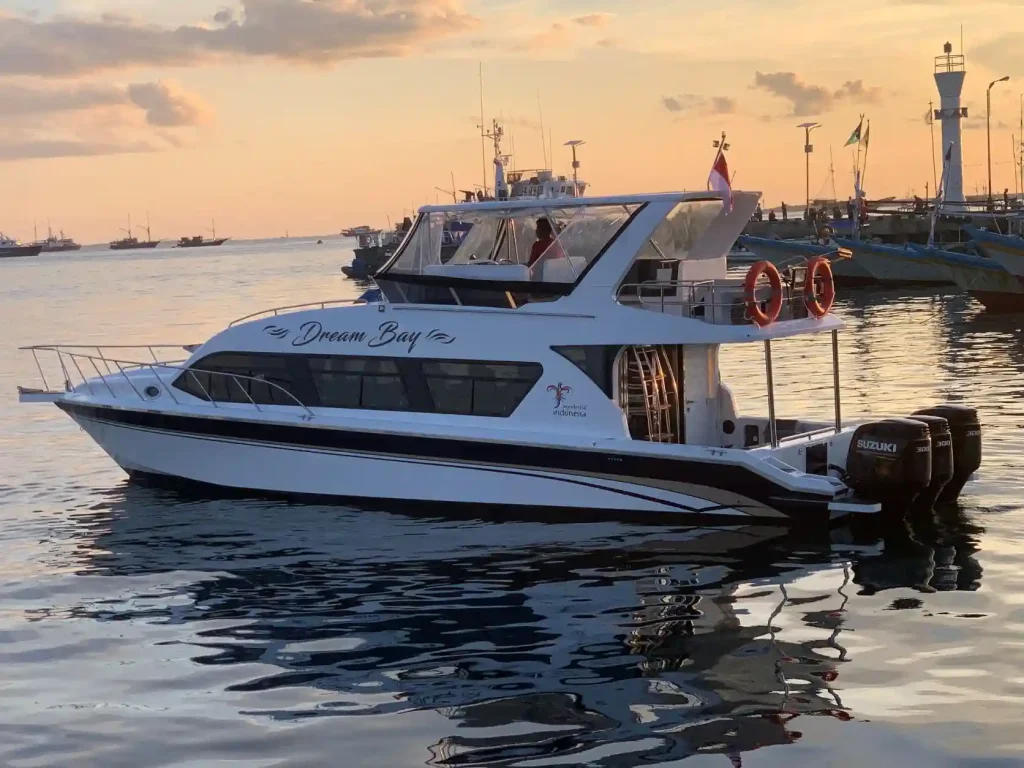
Labuan Bajo Market
2027 Komodo Boat Market Report: Inventory, Demand and Deal Flow
5 min read Komodo Boat For Sale desk

In this article
- Inventory: selective rather than scarce
- Demand: concentrated at the top and the bottom
- Deal structures are getting more sophisticated
- Indicative bands going into 2027
- Four themes worth planning around
- What this means if you are buying
- What this means if you are selling
- Frequently asked questions
- Talk to the desk
This is a working desk’s view of the Komodo and Labuan Bajo vessel market heading into 2027, based on the enquiries, listings and completed transactions we handle. It is qualitative and regional rather than a statistical survey, and the figures cited are indicative bands observed in negotiation rather than published market data. Read it as informed orientation, not as a valuation.
Inventory: selective rather than scarce
The pattern we see is a market with adequate volume and thin quality. Boats are available; boats that are genuinely charter-ready, properly documented and free of deferred structural work are not plentiful. The gap between the two categories has widened, and it is showing up in pricing — well-kept vessels with maintenance records hold their asking figures, while hulls without documentation sit for months and eventually transact well below their initial expectations.
Three sources dominate current supply:
- Owner exits after several seasons, typically well-maintained six to nine cabin phinisi.
- Fleet rationalisation by multi-vessel operators trimming to their strongest hulls, generally the best-documented boats on the market.
- Stalled or reconsidered new builds, which occasionally reach the market as nearly completed hulls at attractive positions for buyers able to manage the final stage.
Demand: concentrated at the top and the bottom
Enquiry volume is polarising. At the upper end, buyers seek premium overnight vessels with ensuite cabins, strong deck space and a presentable brand — assets that can command high nightly rates from international guests. At the entry end, demand for day boats and fast transfer craft remains firm, driven by shorter-stay visitors and by existing operators building two-boat operations.
The middle is slower. Older liveaboards with shared facilities and dated interiors face a guest market that has become more discerning, and buyers know it. Vessels in this segment need either a realistic price reflecting the refit required or a genuine specialisation — dive configuration being the most effective — to move.
Deal structures are getting more sophisticated
Transactions we are seeing now look materially different from a few years ago:
- Staged payments against verifiable milestones are becoming standard rather than exceptional.
- Retentions held against agreed defect lists are increasingly accepted by sellers.
- Crew retention terms are being negotiated explicitly rather than assumed.
- Seller financing appears more frequently as buyers with limited access to institutional debt meet sellers wanting to widen their buyer pool.
- Independent survey is now expected on almost every transaction above the entry band, where a few years ago it was often skipped.
All of this is healthy. A market where diligence is normal transacts more reliably, and the professionalisation is one of the more encouraging developments in the region.
Indicative bands going into 2027
| Segment | Cabins | Indicative USD | Direction |
|---|---|---|---|
| Day / transfer boats | — | 60,000 – 250,000 | Firm |
| Entry liveaboard, refit needed | 4–6 | 180,000 – 450,000 | Buyer-favourable |
| Charter-ready phinisi | 6–9 | 500,000 – 1,200,000 | Stable, quality-sensitive |
| Premium overnight | 8–12 | 1,200,000 – 3,500,000 | Firm for documented vessels |
| Dive-configured liveaboard | 8–16 | 600,000 – 2,000,000 | Firm |
Four themes worth planning around
1. Documentation is becoming the price differentiator
The premium attached to a complete maintenance file, a recent survey and a clean documentary trail has grown noticeably. Sellers who invest in assembling this recover it. Sellers who do not, concede on price.
2. Environmental expectations are tightening
Waste handling, sewage capacity and fuel management inside the national park are under increasing scrutiny. Vessels not equipped for current expectations should be priced with the retrofit included.
3. Guest expectations continue to rise
Ensuite cabins, reliable air-conditioning, dependable freshwater and usable deck space have moved from premium features to baseline. The vessels struggling to sell are those built for a guest market that has moved on.
4. New build remains a live alternative
Where the market cannot supply a suitable vessel, the South Sulawesi yards continue to deliver. Build timelines run long and construction risk is real, but for buyers with a specific operational requirement the fit is materially better than compromising on an existing hull.
What this means if you are buying
Define your specification tightly, engage a surveyor early, and be prepared to move quickly when a documented vessel appears — those do not sit. Budget realistically for the immediate capital requirement and treat any vessel without a maintenance file as carrying an unknown you must price.
What this means if you are selling
Assemble your documentation before you list. Complete the slipway period and the machinery service. Disclose defects with prices attached. In a market where buyers are increasingly professional, the vessel that survives diligence comfortably is the vessel that achieves its asking figure.
Related reading
- Komodo Liveaboard for Sale — Dive & Charter Vessels
- Inspecting Dive Compressors Before You Buy a Komodo Dive Boat
- Labuan Bajo Boat for Sale — Boats Based in Komodo’s Charter Port
Frequently asked questions
Is 2027 a buyer’s or a seller’s market?
Both, in different segments. Documented, charter-ready vessels favour sellers; older liveaboards needing refit favour buyers. The dividing line is maintenance evidence more than age or size.
Are prices expected to rise?
We would expect firmness in well-documented premium and dive-configured vessels and continued softness in undocumented mid-range hulls. That is an observation of current direction, not a forecast, and any single transaction depends on survey far more than on market trend.
How long is a vessel typically on the market?
Documented, charter-ready boats often transact within weeks and frequently before public listing. Vessels without documentation commonly sit for several months and complete considerably below the original asking figure.
Should I wait for better conditions?
The supply of genuinely good vessels is small, so waiting risks missing the right boat more than it risks overpaying. Buy the correct asset when it appears and let the survey set the number.
Komodo Boat For Sale is a specialist maritime brand and digital platform under Juara Holding Group. Vessel-sale, construction and refit contracts are issued by PT Komodo Galangan Nusantara; brokerage and charter representation by PT Komodo Bahari Nusantara; boat management by PT Komodo Vessel Management.
Talk to the desk
If you are weighing a specific vessel, send us the listing and the month you want to be operating. WhatsApp +62 811 3941 4563 or email [email protected]. Figures are quoted in USD.