New Build & Shipyards
Phinisi New-Build Timelines for a 2027 Launch
6 min read Komodo Boat For Sale desk
In this article
- Understanding Phinisi New Build Timeline
- Indicative Pricing for New Phinisi
- Choosing the Right Shipyard
- Charter Management Considerations
- Regulatory and Financial Framework
- Planning for 2027
- Selecting the Ideal Vessel for Komodo Waters
- Integrating Charter Management into Your Business Model
- Weather and Navigation Challenges in the Komodo Archipelago
- Evaluating Crew and Staffing Needs
- Understanding Maintenance and Operational Costs
- Market Trends and Demand Forecast for 2027
To secure a luxury phinisi for the 2027 Komodo peak season, initiate your new-build process now. With build times ranging from 12 to 24 months, planning is crucial.
Understanding Phinisi New Build Timeline
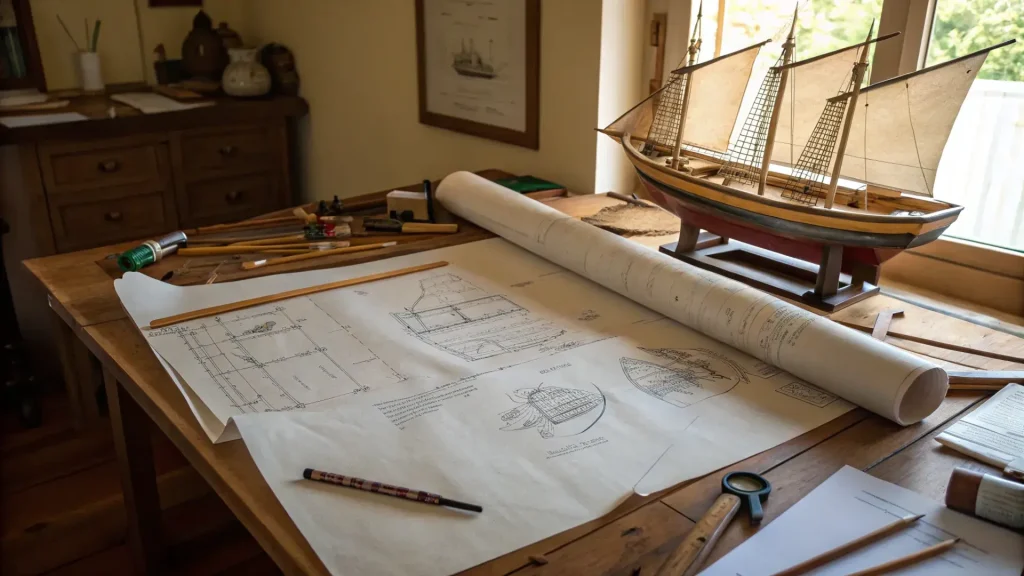
The timeline for building a phinisi is a crucial consideration for any potential owner or investor. Typically, constructing a luxury new-build phinisi takes between 12 to 24 months at established shipyards in Tana Beru, Bira, and Lemo-Lemo. Given these timelines, starting the process by mid-2025 is essential for a 2027 launch.
Why Start Planning Now?
- Securing a slot in reputable shipyards requires early commitment due to high demand.
- Custom designs and specifications need time to refine and execute.
- Market demand might affect material availability and costs.
Indicative Pricing for New Phinisi
Understanding the financial aspect is vital. Currently, the indicative price range for a luxury new-build phinisi spans from USD 1.2 million to USD 3.5 million. Prices vary based on size, design complexity, and finish quality. Detailed pricing can be explored further on our pricing page.
Factors Influencing Price
- Materials: Quality and type of wood and fittings.
- Design: Customizations and additional features.
- Yard Reputation: Experience and craftsmanship of the chosen shipyard.
Choosing the Right Shipyard
The shipyard’s expertise can significantly impact the quality and delivery timeline of your phinisi. Tana Beru, Bira, and Lemo-Lemo are renowned for their skilled craftsmen who have been building phinisi for generations.
Evaluating Shipyard Capabilities
- Track Record: Review past projects and customer feedback.
- Capacity: Ensure the yard can accommodate your build within the desired timeline.
- Specialization: Some yards might specialize in specific phinisi styles or sizes.
Charter Management Considerations
For those looking to enter the charter market, hiring a management company is crucial. These companies handle bookings, crew, maintenance, and marketing, taking 20-30% of the revenue. The income is influenced by the season, occupancy rates, and vessel quality.
Market Outlook for 2027
- Tourism Trends: Global travel patterns may affect occupancy.
- Seasonal Variability: Peak seasons in Komodo are June-September and December-January.
- Vessel Quality: Higher quality vessels attract more premium bookings.
Regulatory and Financial Framework
regulations for owning and operating a phinisi in Indonesia requires understanding local laws. This includes PT PMA requirements for foreign investment and flagging processes.
Key Regulatory Insights
- Permits: Necessary for operating in Komodo National Park.
- Flagging: Compliance with Indonesian maritime laws.
- Investment Structures: Understanding PT PMA for foreign ownership.
Planning for 2027
To capitalize on peak seasons and ensure your phinisi is ready by 2027, the time to act is now. Engage with reputable shipyards and plan your investment strategy early.
For more detailed guidance, explore our phinisi buying guide or new-build options.
If you’re ready to proceed or need further consultation, make a 2027 boat enquiry on WhatsApp.
Selecting the Ideal Vessel for Komodo Waters
When planning for a new phinisi or speedboat build targeted for a 2027 launch, selecting the right type of vessel is crucial. The Komodo National Park, known for its stunning locations like Padar, Pink Beach, and Manta Point, demands a vessel that balances tradition and modernity. A luxury new-build phinisi offers both authenticity and comfort, with costs ranging from USD 1.2M to 3.5M. Meanwhile, a speedboat or day boat is ideal for shorter trips, with prices between USD 80k and 180k.
The choice between a phinisi and a speedboat depends on various factors:
- Purpose: Long-term charters favor phinisi; day trips suit speedboats.
- Capacity: Phinisi can accommodate more guests for overnight trips.
- Experience: Phinisi offers a classic sailing experience, while speedboats provide speed and agility.
Consider the best seasons for sailing—June to September and December to January—when planning your build and charter strategy.
Integrating Charter Management into Your Business Model
For entrepreneurs eyeing the 2027 season, integrating a solid charter management plan is essential. The appeal of Komodo’s sites like Rinca and Kanawa makes this a lucrative venture. Charter liveaboard prices range from USD 400k to 900k, offering substantial returns if managed well. Consider these key aspects:
- Marketing: Utilize digital platforms to reach international tourists.
- Maintenance: Regular upkeep is crucial for maintaining high standards.
- Staffing: Skilled crew and guides enhance guest experience, crucial for repeat business.
Integrating these elements effectively can optimize your investment and deliver a memorable experience to your clients. For more details, visit our charter management guide.
Weather and Navigation Challenges in the Komodo Archipelago
Planning for a 2027 launch involves understanding the unique weather and navigation challenges in the Komodo region. The archipelago’s varied climate requires vessels to be built to handle different conditions, especially during the monsoon seasons. The marine topography around islands like Wae Rebo can be tricky, demanding skilled navigation.
Key considerations include:
- Weather Patterns: Understanding seasonal changes helps in scheduling trips.
- Navigation Skills: Experienced captains familiar with local waters are indispensable.
- Safety Protocols: Ensure your vessel is equipped with necessary safety gear and technology.
These elements are essential to ensure smooth operations and safety for guests and crew alike. For detailed insights into buying a phinisi and navigating these waters, explore further resources.
Need help planning your 2027 Komodo trip? Plan your 2027 Komodo trip on WhatsApp.
Evaluating Crew and Staffing Needs
When planning for your new phinisi or speedboat launch in 2027, a critical aspect is evaluating crew and staffing needs. Given the unique demands of sailing in Komodo National Park, it’s essential to have a team skilled in navigation through diverse areas like Padar, Pink Beach, and Rinca.
Your crew should ideally include:
- Captain: Experienced in local waters and familiar with Komodo’s maritime regulations.
- Engineer: To maintain the vessel’s mechanical and technical systems.
- Chef: Capable of providing high-quality meals, with knowledge of both local and international cuisine.
- Deckhands: Skilled in both sailing operations and customer service.
- Guide: Licensed and knowledgeable about Komodo’s unique attractions such as Manta Point and Wae Rebo.
Determining the right crew size and their roles is crucial for operational efficiency and guest satisfaction. For high-end charters, consider additional staff like a hospitality manager or diving instructor, especially if you plan to focus on luxury experiences.
For more details on integrating effective crew management into your business plan, visit our Komodo Charter Management Guide.
Plan your 2027 Komodo trip on WhatsApp.
Understanding Maintenance and Operational Costs
Running a phinisi or speedboat in Komodo waters involves significant operational and maintenance costs. Proper budgeting for these expenses ensures long-term success and avoids unexpected financial burdens.
Key cost considerations include:
| Expense Type | Indicative Annual Cost (USD) |
|---|---|
| Regular Maintenance | 50,000 – 100,000 |
| Fuel and Consumables | 20,000 – 50,000 |
| Berthing Fees | 10,000 – 30,000 |
| Insurance | 15,000 – 40,000 |
| Staff Salaries | Varies |
Maintenance costs can fluctuate based on vessel size and usage. Scheduling regular maintenance during off-peak seasons, like after January, can help minimize costs. Additionally, consider setting aside a budget for unforeseen repairs, especially if your phinisi frequently visits remote areas like Kanawa and Wae Rebo.
For a more detailed overview of operational expenses, please refer to our Phinisi Price and Cost Guide.
Plan your 2027 Komodo trip on WhatsApp.
Market Trends and Demand Forecast for 2027
As you plan your phinisi launch for 2027, understanding market trends and demand forecasts is vital. The tourism industry in Labuan Bajo and Komodo National Park is expected to grow, driven by increased interest in eco-tourism and unique travel experiences.
Factors influencing demand:
- Eco-Tourism: Growing preference for sustainable travel options, making traditional phinisi a popular choice.
- Luxury Travel: An increase in high-net-worth individuals seeking exclusive experiences, boosting demand for luxury new-build phinisis.
- Adventure Tours: Activities like diving at Manta Point and hiking on Padar Island are attracting more adventure tourists.
- Seasonal Demand: Peak seasons occur from June-September and December-January, aligning with favorable weather conditions.
Analyzing these trends can help tailor your offerings and marketing strategies effectively. Collaborating with local tourism boards and participating in international travel exhibitions can further enhance your market reach and visibility.
Explore our Phinisi Buying Guide for more insights on aligning your investment with market demands.