New Build & Shipyards
Phinisi Materials: Ironwood, Teak and What Lasts
6 min read Komodo Boat For Sale desk
In this article
- Phinisi Materials Ironwood Teak
- Core Materials and Their Uses
- The Traditional Construction Process
- Durability and Material Costs
- Planning for 2027
- Ownership and Charter Considerations
- Conclusion
- Considerations for 2027 Phinisi or Speedboat Purchase
- New Build Commissioning: Process
- Charter Management Strategies for Komodo
- Strategic Planning for 2027: Phinisi vs. Speedboat
- Commissioning a New Phinisi Build
- Effective Charter Management in Komodo
Explore phinisi materials like ironwood and teak, vital for durability and luxury. Learn about costs, construction timelines, and why acting now is crucial for 2027 ownership.
Phinisi Materials Ironwood Teak
The construction of a phinisi, a traditional Indonesian sailing vessel, relies heavily on the use of natural materials like ironwood and teak. These materials are chosen not just for their availability but for their unmatched durability and aesthetic appeal.
Core Materials and Their Uses
Ironwood (Ulin)
Ironwood is renowned for its density and resistance to rot, making it the perfect choice for hulls, keels, and masts. Its high upfront cost, ranging from $1,200 to $2,000 per cubic meter, is justified by its long-term durability. The density of ironwood ensures that the phinisi can withstand harsh tropical waters, a crucial factor for vessels operating in areas like Komodo and Labuan Bajo.
Teak (Jati)
Teak is utilized for decks and interiors due to its elegance and natural oils, which offer protection against the elements. The price of teak, between $800 and $1,500 per cubic meter, strikes a balance between luxury and cost-effectiveness. Teak’s aesthetic appeal and durability make it a staple for finishing touches.
Other Important Woods
- Bitti Wood: Used for frames and beams, costing around $700 to $1,200 per cubic meter, it is known for its strength and flexibility.
- Merbau: Increasingly used for hull planks, priced between $750 and $1,300 per cubic meter, valued for its density and decay resistance.
The Traditional Construction Process
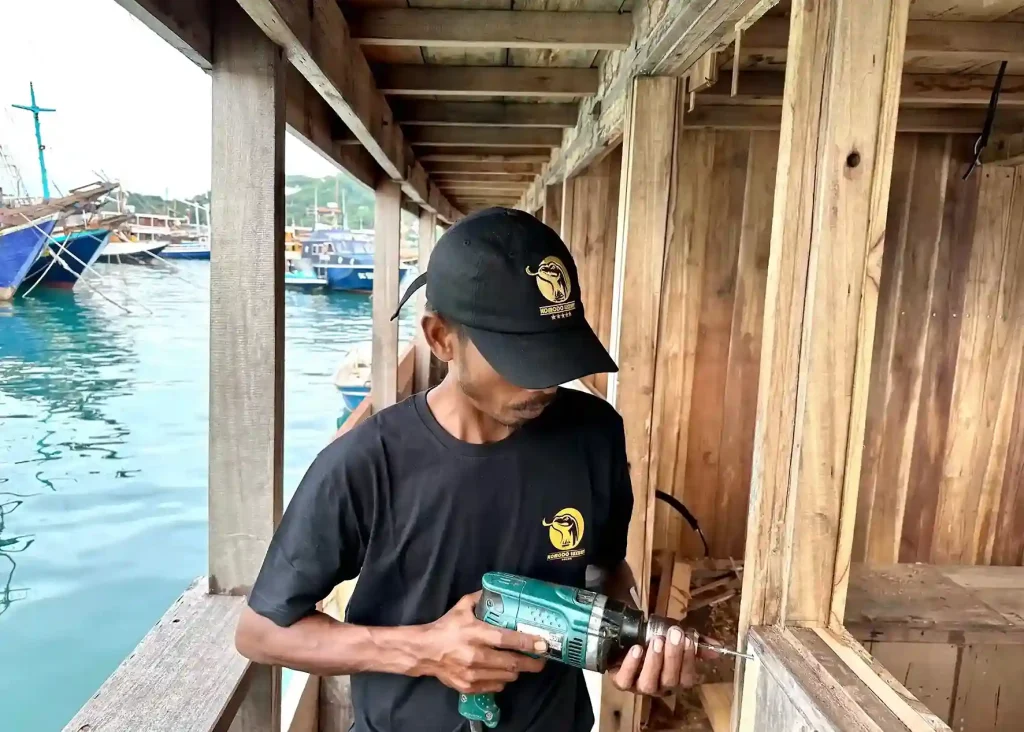
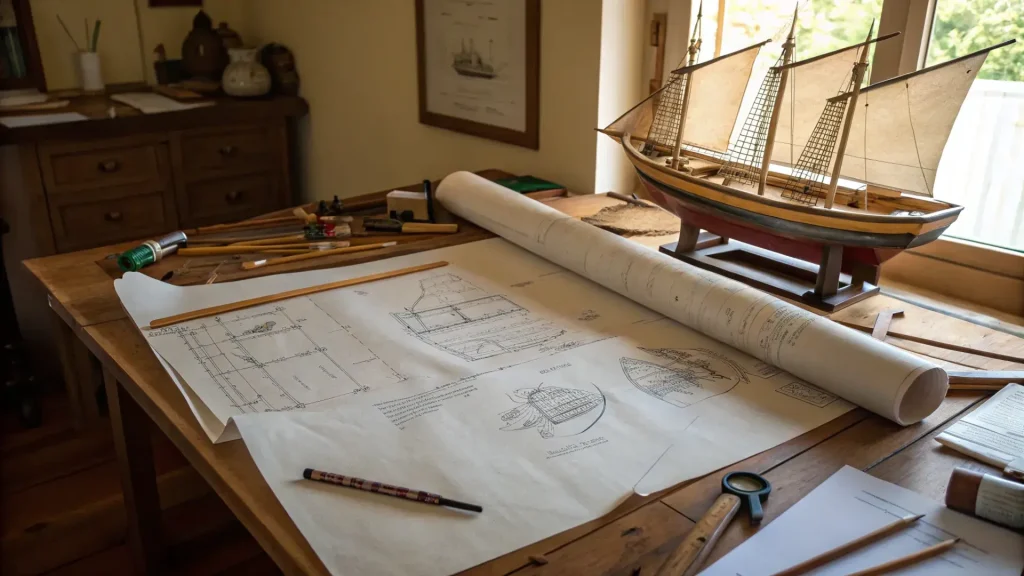
Phinisi construction is a craft passed down through generations in shipyards like Tanah Beru and Bira. These vessels are built without blueprints under the guidance of a master builder, or punggawa. The joining of timbers with wooden pegs, known as trunnels, and sealing with tar ensures a strong, durable structure.
Durability and Material Costs
When considering the longevity of these vessels, ironwood’s hardness and density make it superior for structural elements. Teak provides the luxury finish desired in visible areas, while bitti and merbau offer additional structural support. Understanding these materials and their costs is essential when planning a new build or refurbishment.
Planning for 2027
Given that new builds take approximately 12-24 months and high-quality brokered boats often sell before listing, it is imperative to begin planning for a 2027-ready vessel now. Acting early ensures you can capitalize on the peak sailing and chartering season from April to October.
Ownership and Charter Considerations
Foreign buyers must establish a PT PMA to own a vessel in Indonesia, with the boat flagged under the Indonesian flag. For charter operations, the vessel’s quality, seasonality, and service offerings significantly influence revenue. Charter-management companies typically take 20-30% of revenue, emphasizing the need for strategic market positioning.
Charter Economics
Liveaboard phinisi charters in areas like Komodo offer high-end experiences, with daily rates ranging from $3,000 to $8,000+. Revenue drivers include seasonality, occupancy rates, and additional services such as private guides and gourmet meals. Understanding these dynamics is crucial for maximizing returns.
Conclusion
Investing in a phinisi involves understanding the materials and construction processes that contribute to their longevity and appeal. With indicative price ranges provided, buyers and investors are encouraged to make a 2027 boat enquiry on WhatsApp to begin their journey toward ownership.
Considerations for 2027 Phinisi or Speedboat Purchase
For those looking to purchase a phinisi or speedboat in Komodo or Labuan Bajo by 2027, understanding the market dynamics is essential. The phinisi, a traditional Indonesian sailing vessel, ranges in price, with small or used models priced from USD 250,000 to USD 450,000, while luxury new-builds can reach USD 1.2 million to 3.5 million. Speedboats, suitable for day trips, range between USD 80,000 and 180,000, providing a flexible option for quick island hops.
While planning for 2027, consider the following:
- Legal Requirements: Ensure compliance with local regulations, including permits for operating within Komodo National Park.
- Seasonal Demand: Peak seasons in June-September and December-January may impact availability and pricing.
- Maintenance Costs: Factor in ongoing maintenance, particularly for traditional wooden vessels, to preserve their value and functionality.
For further insights on purchasing, visit our buying guide.
New Build Commissioning: Process
Commissioning a new-build phinisi involves several critical steps, particularly when targeting delivery by 2027. The process begins with selecting a reputable shipyard, preferably one experienced in phinisi construction, with numerous options available across Indonesia. The cost for a luxury new-build phinisi can range from USD 1.2 million to 3.5 million, depending on size and customization.
Key considerations include:
- Material Selection: Opt for durable woods like ironwood and teak to ensure longevity.
- Design Specifications: Collaborate closely with designers to align the build with your charter or personal use requirements.
- Timeline Management: Regularly liaise with the shipyard to ensure timely progress, accommodating any delays that may arise.
Explore more about the commissioning process on our new-build page.
Charter Management Strategies for Komodo
Managing a charter operation in Komodo requires strategic planning, especially with the 2027 peak seasons in mind. Charter liveaboards in the region range from USD 400,000 to 900,000. Efficient management can maximize returns while ensuring compliance with local regulations.
Effective management strategies include:
- Route Planning: Popular stops like Padar, Pink Beach, and Manta Point should be integrated into itineraries.
- Staff Training: Invest in crew training to enhance guest experience and maintain high service standards.
- Marketing Initiatives: Utilize digital platforms to reach international tourists, showcasing unique offerings such as visits to Rinca and Kanawa.
For comprehensive charter management services, visit our charter management page.
Ready to plan your 2027 Komodo trip? Contact us on WhatsApp.
Strategic Planning for 2027: Phinisi vs. Speedboat
Deciding between a phinisi and a speedboat for your 2027 venture in the Komodo area involves weighing various factors. Phinisi vessels are renowned for their luxury and authenticity, offering a cultural experience that a speedboat cannot match. However, speedboats provide quick access to multiple destinations per day, making them ideal for those with tight schedules.
Phinisi:
- Cost: USD 250k-450k for used models; USD 1.2M-3.5M for new builds.
- Experience: Authentic sailing, traditional craftsmanship.
- Capacity: Generally larger, suitable for overnight charters.
Speedboat:
- Cost: USD 80k-180k.
- Experience: Quick travel, ideal for day trips.
- Capacity: Smaller groups, day excursions.
For those leaning towards a phinisi, our guide provides insights into purchasing and managing these traditional vessels.
To plan your 2027 Komodo trip on WhatsApp, reach out for personalized advice.
Commissioning a New Phinisi Build
Commissioning a new phinisi build requires a deep understanding of traditional craftsmanship and modern requirements. The process involves selecting the right materials, such as ironwood and teak, to ensure durability and aesthetic appeal. Here’s a brief overview of what the process entails:
- Design Consultation: Collaborate with experienced designers to create a vessel that meets your aesthetic and functional needs.
- Material Selection: Choose high-quality materials that are proven to withstand the harsh marine environment of the Komodo region.
- Construction Timeline: Expect a timeline of 12-24 months, depending on customization levels.
- Budget Planning: Allocate USD 1.2M-3.5M for a high-end build.
For more details on commissioning a phinisi for 2027, visit our new build page.
Interested in starting your build? Plan your 2027 Komodo trip on WhatsApp.
Effective Charter Management in Komodo
Managing a charter operation in Komodo requires an understanding of local tourism dynamics, especially with sites like Padar, Pink Beach, and Manta Point drawing significant interest. The key is to offer itineraries that maximize guest experiences while maintaining operational efficiency.
Key Considerations:
- Seasonal Planning: High season is June-September and December-January. Adjust itineraries to include popular destinations like Rinca and Kanawa.
- Permits and Fees: Factor in the Komodo National Park entry fees, approximately USD 32-64, subject to change.
- Marketing Strategies: Highlight unique experiences like visiting Wae Rebo, an authentic Manggarai village.
- Fleet Management: Regular maintenance is crucial for both phinisi and speedboats to ensure safety and reliability.
For comprehensive services, our charter management guide offers detailed insights.
Need expert advice? Plan your 2027 Komodo trip on WhatsApp.