Travel Journal
Komodo Dive Liveaboard for Sale 2027: Top Models for Underwater Adventures
5 min read Komodo Boat For Sale desk
In this article
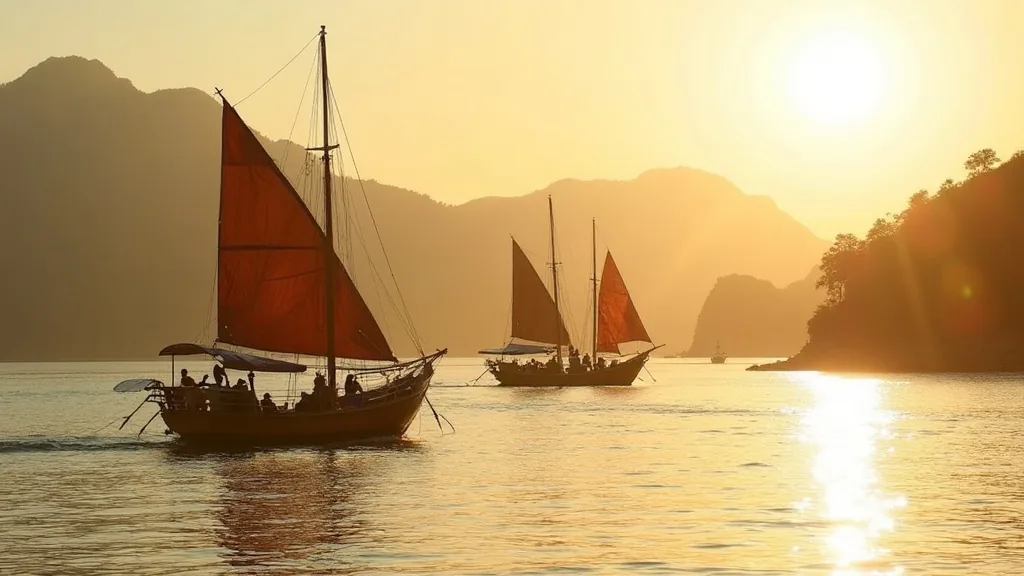
For those seeking a Komodo dive liveaboard for sale in 2027, the market prioritises vessels offering robust diving infrastructure and comfort. Key considerations include the vessel’s condition, capacity, and specific certifications for operating within Komodo National Park. New builds and well-maintained pre-owned phinisi-style boats dominate the offerings, tailored for extended underwater explorations.
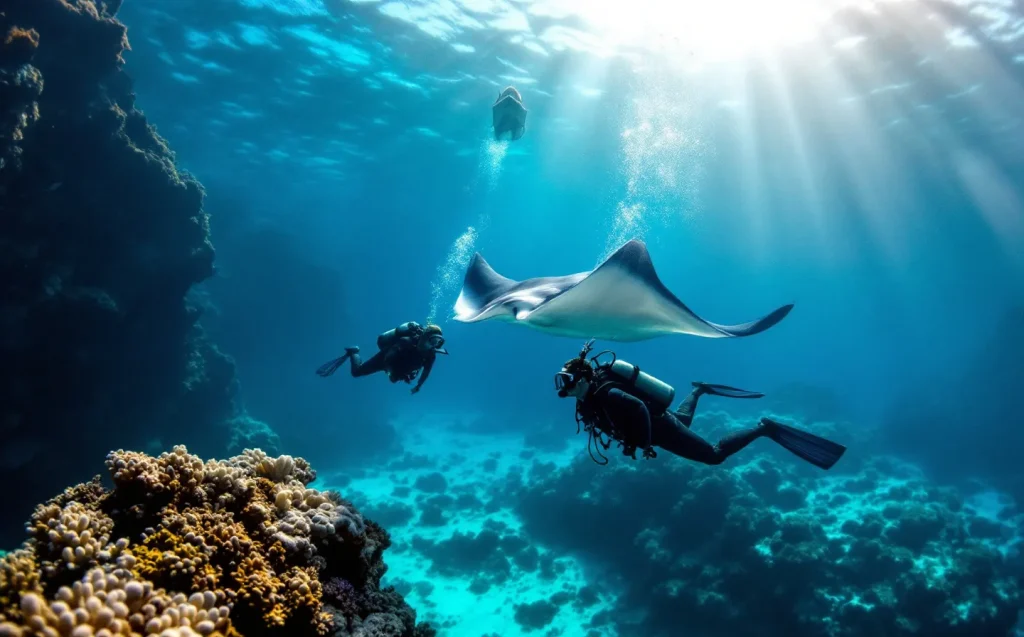
Komodo National Park remains a premier destination for underwater enthusiasts, drawing significant interest for its incredible marine biodiversity. As we look towards 2027, the demand for high-quality Komodo dive liveaboard vessels continues to grow, catering to both established tour operators and private buyers aiming to explore the archipelago’s celebrated dive sites. Investing in a suitable liveaboard requires careful consideration of its features, operational capabilities, and suitability for the challenging yet rewarding conditions of the region.
Komodo Dive Liveaboard for Sale 2027: Key Considerations
When assessing a Komodo dive liveaboard for sale in 2027, several factors are paramount. Prospective buyers must evaluate the boat’s construction, typically traditional Indonesian phinisi designs, and its adherence to modern safety standards. The operational history, maintenance records, and regulatory compliance for Indonesian waters are also crucial. Furthermore, understanding the market trends for Komodo boats can provide valuable insights into potential resale values and long-term viability.
Essential Diving Boat Features for 2027 Expeditions
A truly effective Komodo dive liveaboard must possess specific features to support extensive underwater operations. These include dedicated dive decks with ample space for gear setup, multiple air compressors for efficient tank refilling, and a robust oxygen supply for emergencies. Furthermore, comfortable cabins, a well-equipped galley, and reliable navigation systems are non-negotiable for multi-day expeditions. Modern vessels often integrate advanced communication systems and eco-friendly waste management solutions, reflecting a growing emphasis on sustainable tourism.
- Dive Deck Configuration: Spacious, shaded areas for gear storage and donning.
- Compressor Capacity: Multiple high-capacity compressors to service numerous divers daily.
- Safety Equipment: Comprehensive first aid, oxygen, and emergency communication systems.
- Crew Quarters: Adequate and comfortable accommodation for experienced dive guides and boat crew.
- Guest Amenities: Air-conditioned cabins, en-suite bathrooms, and communal lounge areas.
Top Models and Designs for Scuba Liveaboard Komodo
The market for scuba liveaboard Komodo vessels in 2027 often features a range of phinisi-style boats, from custom builds to meticulously maintained pre-owned models. Buyers frequently seek vessels that balance traditional aesthetics with modern functionality. Designs prioritising stability, fuel efficiency, and ample freshwater storage are highly sought after, especially for routes covering remote dive sites. Understanding the nuances of new Komodo boat custom builds can inform decisions for those seeking specific layouts or advanced amenities.
2027 Note: The projections for 2027 indicate a continued preference for vessels capable of operating independently for extended periods, equipped with comprehensive safety protocols tailored for the challenging currents and diverse marine environments of Komodo National Park. Buyers should anticipate an emphasis on vessels with proven track records in the region.
Market for Best Dive Boats in Komodo
Identifying the best dive boats for sale in Komodo requires thorough due diligence. It involves inspecting the hull condition, engine performance, and the overall structural integrity of the vessel. Engaging with reputable brokers who specialise in the Indonesian marine market is advisable, as they can provide insights into local regulations, ownership transfers, and the availability of suitable crew. The operational costs, including fuel, maintenance, and crew salaries, should also be factored into the overall investment decision.
Here is a general overview of desirable characteristics for Komodo dive liveaboards:
| Characteristic | Description |
|---|---|
| Hull Material | Ironwood or Ulin, known for durability in saltwater. |
| Engine Type | Reliable marine diesel engines, often Mitsubishi or Yanmar. |
| Guest Capacity | Typically 6-16 passengers for optimal dive group sizes. |
| Range | Ability to undertake multi-day itineraries without frequent refuelling. |
Future Trends for Komodo Liveaboard Sales
Looking ahead to 2027, the Komodo liveaboard market is likely to see an increased focus on sustainability and technological integration. Vessels featuring solar panels, advanced water treatment systems, and improved waste management facilities will become more attractive. Furthermore, the demand for liveaboards equipped with dedicated photography and videography stations, including charging points and rinse tanks, is expected to rise, catering to the growing number of underwater content creators.
FAQ
which komodo dive liveaboard models for sale are recommended for serious divers in 2027?
For serious divers in 2027, recommended Komodo dive liveaboard models typically include well-maintained traditional phinisi vessels specifically designed or refitted for diving. Look for boats with robust ironwood or ulin hulls, reliable marine diesel engines (e.g., Mitsubishi, Yanmar), and dedicated dive decks featuring multiple high-capacity air compressors, ample tank storage, and comprehensive safety equipment like oxygen and emergency communication systems. Models offering comfortable cabins with en-suite facilities and experienced crew capable of navigating Komodo’s currents are highly favoured.
What permits are required to operate a dive liveaboard in Komodo National Park?
Operating a dive liveaboard in Komodo National Park requires various permits, including a National Park Entry Permit for guests and crew, a sailing permit (Surat Izin Berlayar) issued by the harbour master, and a tourism business licence (Izin Usaha Pariwisata). Vessels must also comply with Indonesian maritime safety regulations and often require specific dive operator certifications. These regulations are subject to change, so consulting local maritime authorities in Labuan Bajo is essential.
What are the typical running costs for a Komodo dive liveaboard?
Typical running costs for a Komodo dive liveaboard include fuel, crew salaries (captain, engineers, dive guides, cooks, stewards), provisions, maintenance and repairs, insurance, port fees, and national park entry fees. These costs vary significantly depending on the vessel’s size, age, and operational intensity. Regular dry-docking for hull inspection and engine servicing is also a substantial periodic expense.