Establishing a Komodo boat charter business involves navigating specific Indonesian maritime and tourism regulations, particularly for operations within Komodo National Park. Profitability hinges on vessel type, operational efficiency, and adherence to evolving park guidelines for 2027. Initial setup includes permits, vessel registration, and local licensing, crucial for a legitimate Komodo tour business.
Setting Up Your Komodo Boat Charter Business
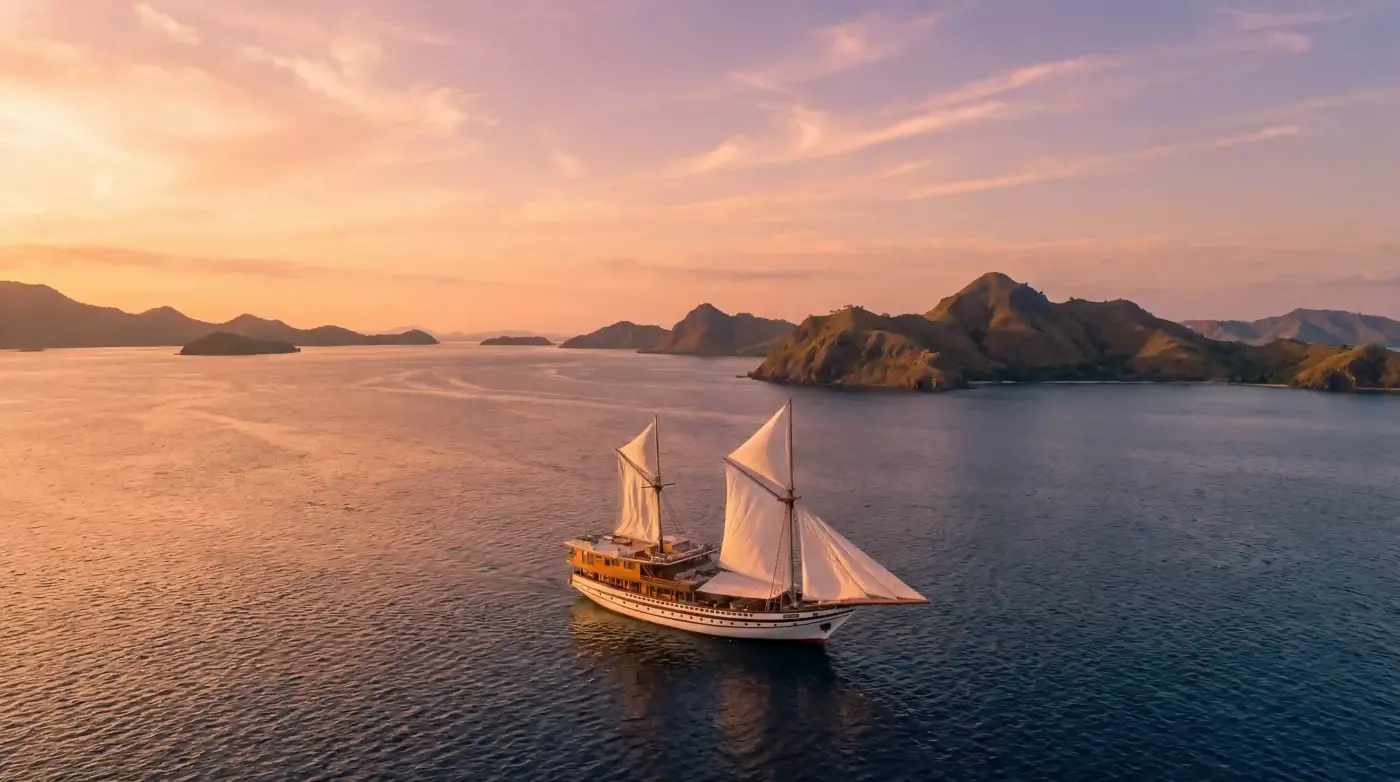
Starting a Komodo boat charter business in Indonesia requires careful planning and adherence to local laws. The initial phase involves selecting the right vessel, understanding the market for new Komodo boat for sale custom builds or pre-owned options, and securing the necessary capital. Most operators utilise traditional phinisi boats, which offer a blend of authentic charm and modern amenities for liveaboard experiences. For those considering a Komodo tour business, understanding the operational intricacies from the outset is paramount.
The first step is often to establish a legal entity in Indonesia, which can be a local PT (Perseroan Terbatas) or a PMA (Penanaman Modal Asing) if foreign ownership is involved. This entity will be the legal owner of the vessel and the operator of the business. Obtaining business permits from the Ministry of Tourism and other relevant local authorities in Labuan Bajo is then essential. These permits dictate the scope of your operations, including passenger capacity and the types of tours you can offer within Komodo National Park.
Navigating Komodo Park Regulations for 2027
Komodo National Park operates under strict environmental and tourism regulations designed to protect its unique ecosystem. For 2027, operators must anticipate potential updates to these rules, which could include revised entry fees, new zoning for visitor activities, or stricter guidelines on waste management and anchor usage. Staying informed through official channels and local associations is vital for any Komodo tour business.
All vessels operating within the park must have a valid SIKK (Surat Izin Kapal Khusus) or Special Vessel Permit. This permit is issued by the Komodo National Park Authority and requires regular renewal. It specifies the areas your boat is allowed to access and the activities permitted. Furthermore, all crew members must be registered and possess appropriate certifications for maritime safety and guiding within a national park setting. Compliance with these Komodo Park regulations is not optional; infringements can lead to significant fines and operational suspensions.
Vessel Selection and Maintenance for Profitability
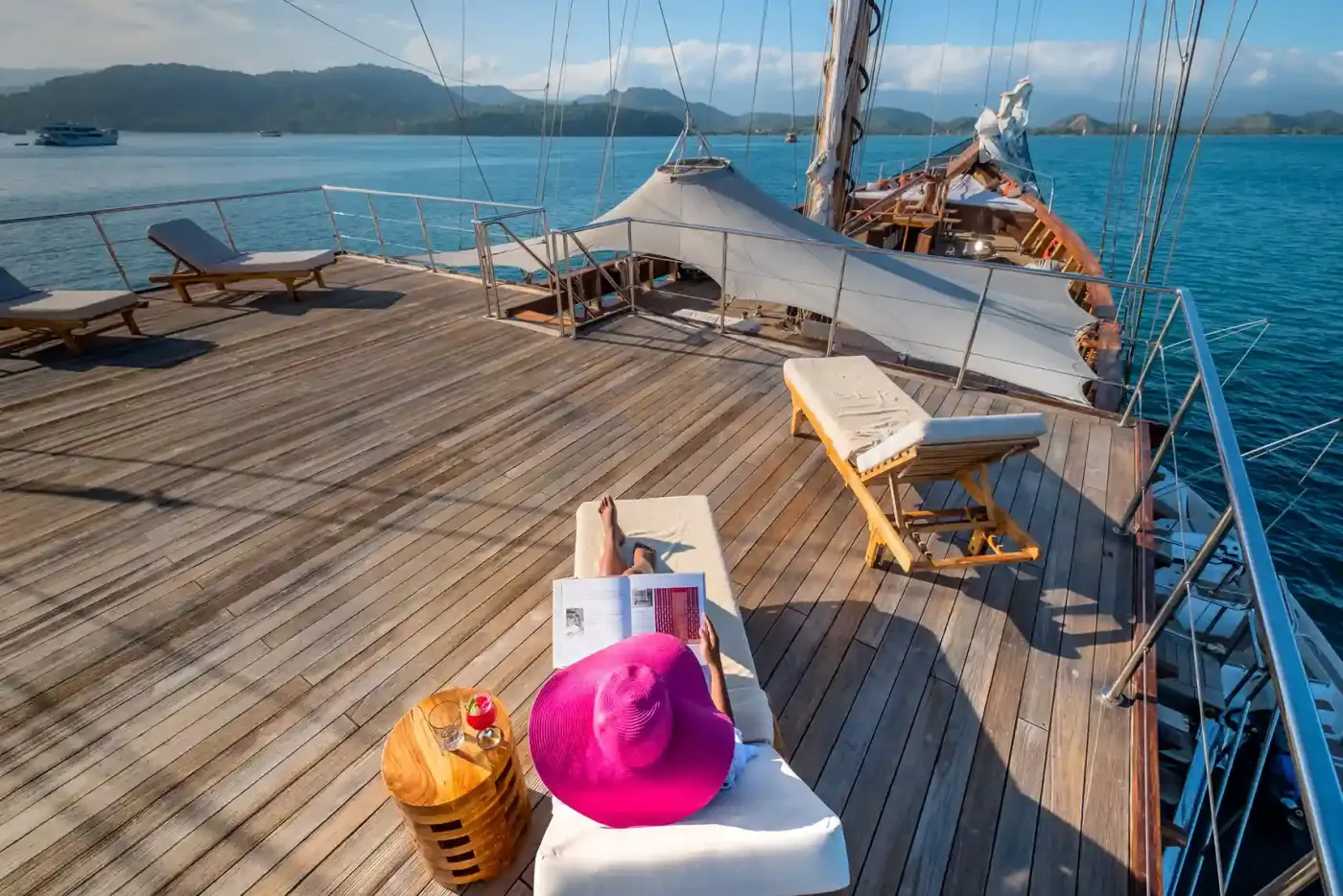
The choice of vessel significantly impacts both startup costs and long-term profitability. Phinisi boats, ranging from smaller traditional designs to larger, luxurious liveaboards, are the standard. Factors to consider include passenger capacity, cabin configuration, onboard facilities (e.g., dive compressors, air conditioning), and the overall condition of the boat. A well-maintained vessel ensures guest satisfaction, reduces unexpected repair costs, and enhances the Komodo national park tourism boat resale value.
- Phinisi Boats: Ideal for multi-day liveaboard tours, offering character and comfort.
- Speedboats: Suitable for shorter day trips, appealing to those with limited time.
- Maintenance: Regular dry-docking, engine servicing, and safety equipment checks are crucial for operational longevity and safety compliance.
Investing in quality materials and skilled local labour for maintenance can prevent costly breakdowns during peak season. Understanding the typical operational lifespan of key components and planning for replacements is part of a sound financial strategy for your start boat business.
Marketing Your Komodo Tour Business
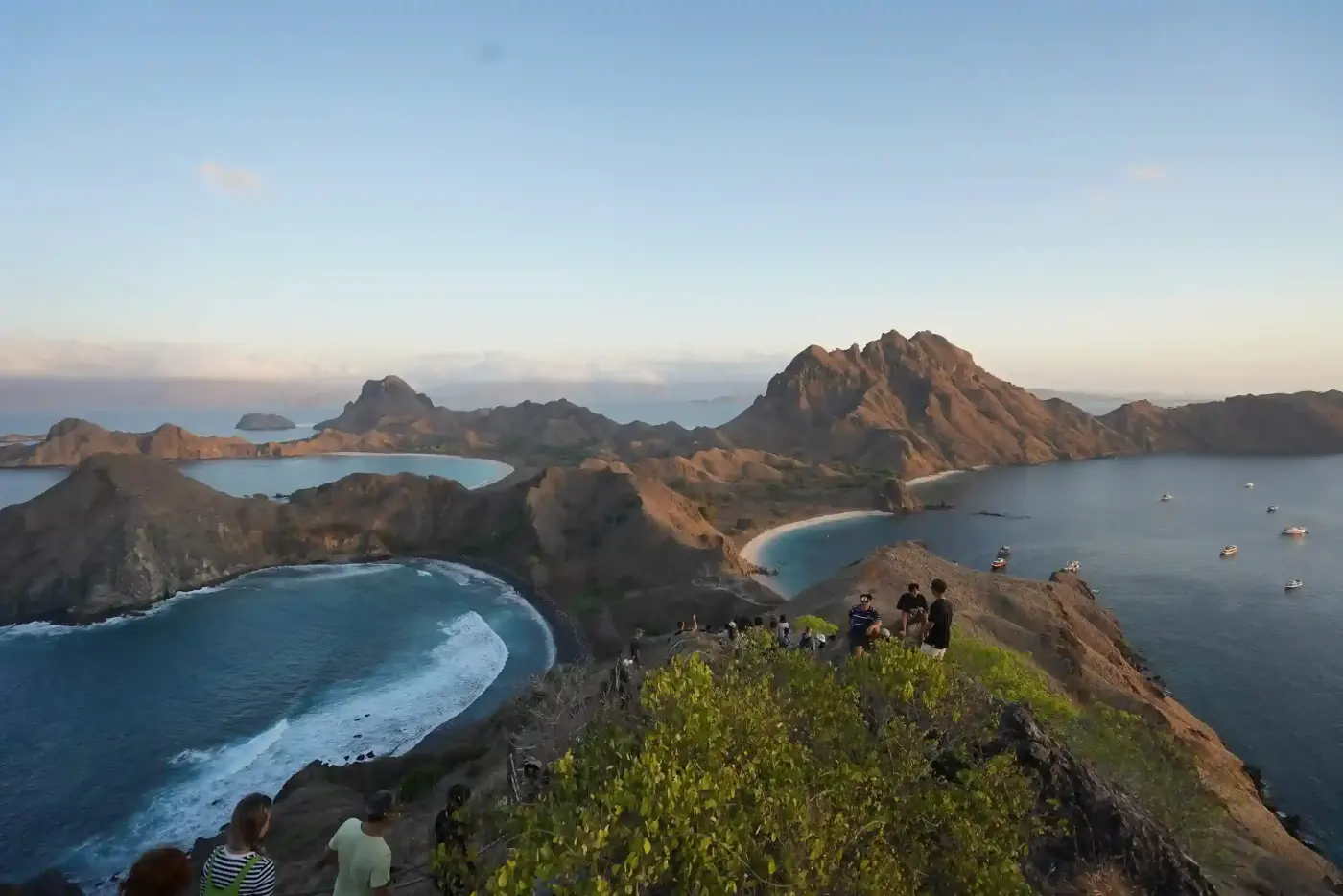
Effective marketing is key to attracting clients to your Komodo boat charter business. This involves a strong online presence, including a professional website showcasing your vessels, itineraries, and crew. Utilising high-quality photography and video content is essential to convey the unique experience of exploring Komodo National Park.
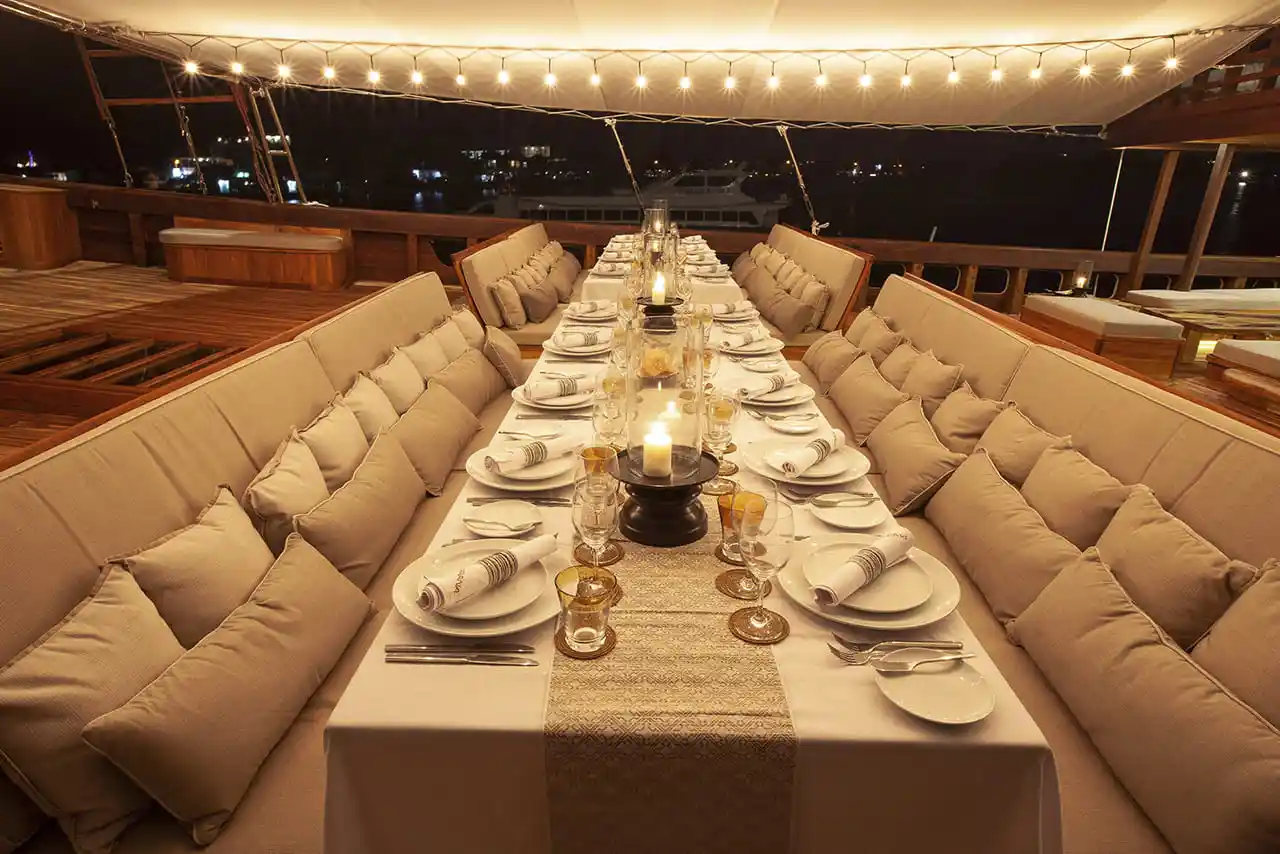
Partnerships with travel agents, dive centres, and tour operators, both internationally and within Indonesia, can significantly expand your reach. Participation in travel fairs and online travel platforms also helps in securing bookings. For 2027, the emphasis will continue to be on authentic experiences, sustainable tourism practices, and personalised service. Crafting compelling narratives around unique offerings, such as specific diving routes or cultural interactions, can set your Komodo tour business apart. For example, offering guided wildlife photography sessions with an onboard naturalist, or private Komodo sunset dining curated by the onboard chef, could appeal to a niche market.
Profitability and Financial Outlook for 2027
The profitability of a Komodo boat charter business depends on several variables: occupancy rates, pricing strategy, operational costs, and the luxury level of the vessel. High season (typically April to October) sees the highest demand and premium pricing, while the low season requires more competitive rates or targeted marketing campaigns.
| Factor | Impact on Profitability |
|---|---|
| Occupancy Rate | Directly proportional; higher occupancy means greater revenue. |
| Pricing Strategy | Balancing competitiveness with perceived value and operating costs. |
| Operational Costs | Fuel, crew salaries, port fees, maintenance, food & beverage. |
| Vessel Class | Luxury vessels command higher prices but also incur greater initial investment and running costs. |
A 2027 note: With global travel patterns evolving, a focus on sustainable tourism and unique, curated experiences will likely drive market demand. Operators who can adapt to changing visitor preferences and maintain high standards of service and safety will be best positioned for success.
FAQ
how to register a komodo tour boat with park authorities in 2027?
To register a Komodo tour boat with park authorities in 2027, you must first ensure your vessel possesses all necessary maritime safety certifications and operational permits from the Indonesian Ministry of Transportation. Following this, you will apply for a SIKK (Surat Izin Kapal Khusus) from the Komodo National Park Authority in Labuan Bajo. This application typically requires submitting documentation including vessel registration, proof of ownership, crew certifications, and a detailed operational plan. The park authority will then assess compliance with current Komodo Park regulations, which may include physical inspections of the vessel’s facilities and safety equipment, before issuing the permit.
What are the key Komodo Park regulations for boat operators?
Key Komodo Park regulations for boat operators include strict adherence to designated mooring areas, prohibition of anchoring on coral reefs, mandatory waste management protocols (no littering or discharge into the sea), and specified speed limits within certain zones. Operators must also ensure all passengers and crew have valid entry tickets and permits. Furthermore, all guides must be certified by the park authority, and interaction with wildlife, particularly Komodo dragons, must follow strict guidelines to ensure safety and minimise disturbance.
What permits are required to start a boat business in Komodo?
To start a boat business in Komodo, you will need several key permits. These include establishing a legal business entity (e.g., PT or PMA) with relevant business registration certificates (NIB – Nomor Induk Berusaha). You will also require a SIUP (Surat Izin Usaha Perdagangan) or similar tourism business license from the local government, maritime safety certificates for your vessel from the Ministry of Transportation, and crucially, a SIKK (Surat Izin Kapal Khusus) from the Komodo National Park Authority. Crew members must also possess valid licenses and certifications.