Buying & Selling
How Long Does a Phinisi Last? Lifespan & Refit
7 min read Komodo Boat For Sale desk
In this article
- Understanding Phinisi Lifespan & Refit
- Materials and Construction
- Planning for 2027: Timing and Costs
- Ownership and Charter Management
- Environmental Considerations
- Cost-Effective Maintenance Strategies
- Make an Informed Investment Today
- Evaluating the 2027 Purchase Options: Buying a Phinisi or Speedboat in Komodo
- Commissioning a New Build Phinisi: Key Considerations for 2027
- Charter Management Strategies for Phinisi and Speedboats in Komodo
- Key Considerations for Buying a Phinisi in Komodo
- Commissioning a New-Build Phinisi: What to Expect
- Maximizing Returns with Phinisi Charter Management
Phinisi boats, traditional Indonesian sailing vessels, can last several decades with proper care. Regular refits every 5–10 years are essential to maintaining their longevity, often extending their lifespan beyond 30–50 years. Planning a new build or purchase now ensures readiness for the 2027 high season.
Understanding Phinisi Lifespan & Refit
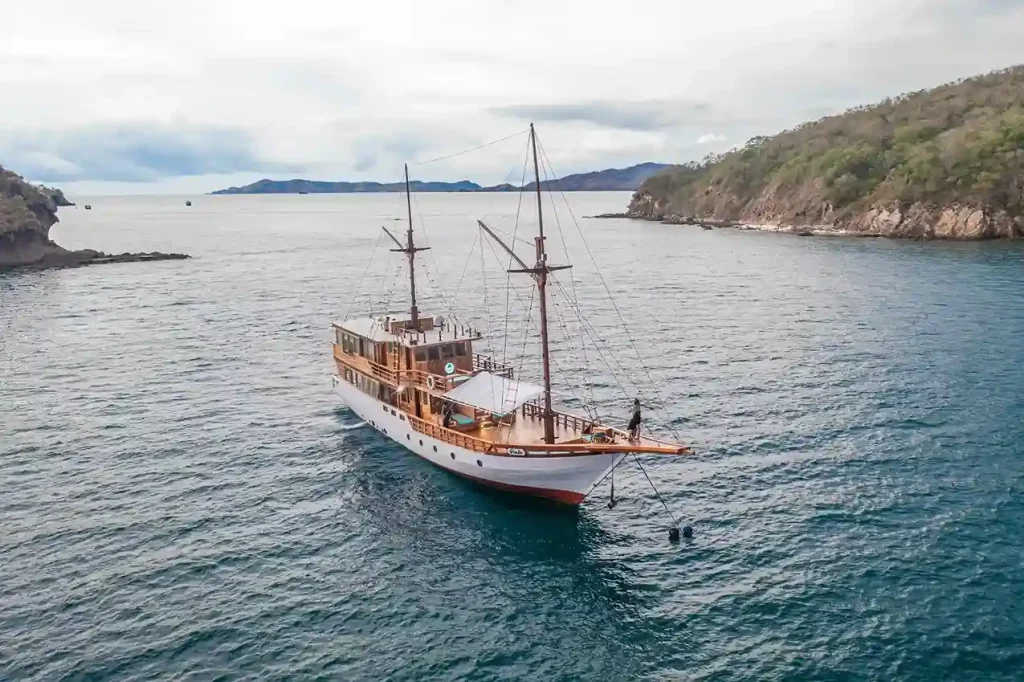
Phinisi lifespan refit considerations are critical for owners and investors aiming to maximize their vessel’s longevity and value. Built primarily from teak and ironwood, these vessels are renowned for their durability and strength. However, to sustain this, a structured maintenance and refit schedule is necessary.
Why Regular Refits Matter
- Structural Integrity: Frequent refits help maintain the structural integrity of the wooden hull, preventing issues like rot and wear.
- Modernization: Adding modern features such as diesel or hybrid engines and fiberglass reinforcement can enhance reliability without losing traditional aesthetics.
- Aesthetic Upgrades: Regular interior updates ensure the vessel remains appealing for charter guests, directly impacting occupancy rates and profitability.
Materials and Construction
Phinisis are traditionally built using materials like teak and ironwood, valued for their longevity in tropical waters. Modern builds sometimes incorporate fiberglass molding, enhancing durability without compromising the vessel’s historical design.
The Role of Materials
Teak and ironwood provide unmatched durability and resistance to the elements. However, even the strongest woods require periodic maintenance to prevent degradation.
Planning for 2027: Timing and Costs
With new builds taking 12–24 months, starting the process now is crucial to owning or chartering for the 2027 peak season. Prices vary widely, from USD 250k for smaller traditional models to several million for luxury new-builds. For details, visit our pricing guide.
Current Market Trends
The demand for luxury Phinisis is rising, especially those tailored for boutique tourism. Secure your build slot at reputable South Sulawesi shipyards like Tana Beru, Bira, or Lemo-Lemo to avoid future delays.
Ownership and Charter Management
For foreign buyers, registering via a PT PMA under the Indonesian flag is essential. Local ownership requires an Indonesian entity. Understanding charter management is also crucial as it influences profitability.
Charter Management Economics
Charter management companies handle bookings, crew, maintenance, and marketing, typically taking 20-30% of revenue. Profitability depends on season, occupancy, and vessel quality.
Environmental Considerations
Phinisis are eco-friendly due to their wind-powered design, leaving a minimal carbon footprint. Modern adaptations aim to balance this sustainability with reliability.
Eco-Friendly Innovations
Implementing hybrid engines and using eco-friendly materials in refits can enhance sustainability, appealing to environmentally conscious tourists.
Cost-Effective Maintenance Strategies
Regular maintenance is crucial to extend the lifespan and operational efficiency of a Phinisi. Neglecting maintenance can drastically reduce a vessel’s longevity.
Recommended Maintenance Practices
- Regular hull inspections to detect and repair early signs of damage.
- Routine engine maintenance to ensure reliability.
- Interior refurbishments to maintain charter appeal.
Make an Informed Investment Today
For buyers and investors aiming for the 2027 high season, the time to act is now. Contact us to make a 2027 boat enquiry on WhatsApp and explore our range of services, from new builds to charter management. Dive deeper into our offerings at buy a Phinisi or learn more about our new build processes.
Evaluating the 2027 Purchase Options: Buying a Phinisi or Speedboat in Komodo
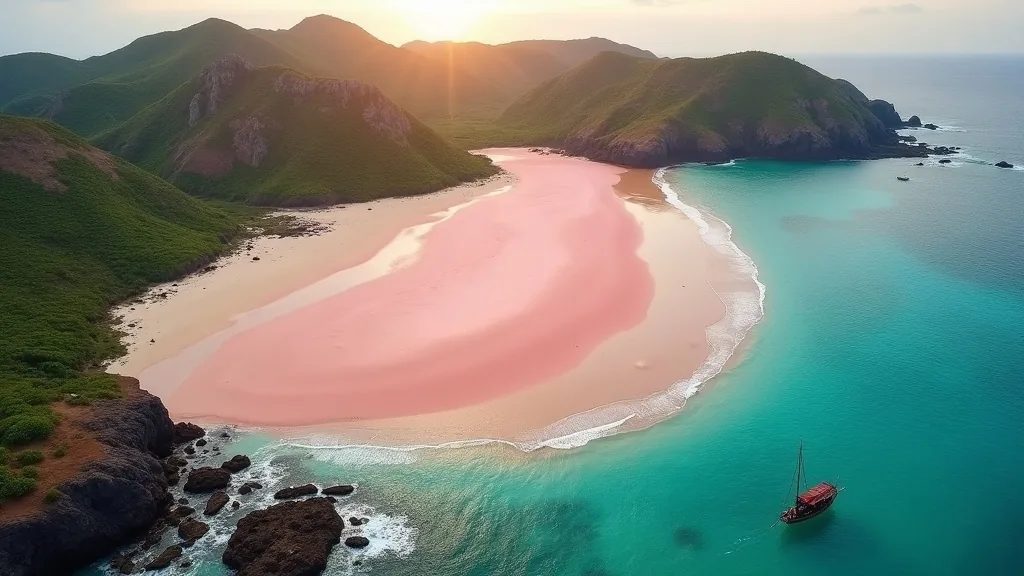
As you navigate the options for buying a phinisi or a speedboat in the Komodo region for 2027, it’s crucial to understand the market dynamics. The decision hinges on your intended use, whether for personal leisure, commercial charters, or both. Komodo, with its attractions like Padar Island and Pink Beach, offers an ideal setting for nautical investment.
For those considering a traditional phinisi, prices range from USD 250,000 to 450,000 for smaller, used models. Luxury new-build phinisi are priced between USD 1.2 million and 3.5 million, reflecting the craftsmanship and materials used. Speedboats, suitable for day trips to locations like Manta Point or Kanawa, range from USD 80,000 to 180,000.
- Traditional Phinisi (small/used): USD 250k-450k
- Luxury New-Build Phinisi: USD 1.2M-3.5M
- Speedboat / Day Boat: USD 80k-180k
If you’re planning for 2027, start your search early to secure favorable terms and availability. For more insights on the buying process, visit our buying guide.
Commissioning a New Build Phinisi: Key Considerations for 2027
Commissioning a new phinisi build in Komodo for 2027 involves strategic planning, from selecting reputable builders to finalizing design details. The timeframe for building can range from 12 to 24 months, depending on the complexity and specifications.
Your first step is to define the purpose, whether for personal use or charter. Luxury builds, priced between USD 1.2 million and 3.5 million, offer customization options in amenities and design, suitable for high-end charters around destinations like Rinca or Wae Rebo.
| Build Type | Duration | Price Range |
|---|---|---|
| Luxury Phinisi Build | 12-24 months | USD 1.2M-3.5M |
Consider factors like sustainable materials and technologies, which can enhance long-term value and appeal to eco-conscious customers. To explore more on new builds, check out our phinisi new build section.
Charter Management Strategies for Phinisi and Speedboats in Komodo
Effective charter management is vital for maximizing returns on your phinisi or speedboat investment. Komodo’s peak seasons, June-September and December-January, are crucial for charter operations, offering ample opportunities to explore attractions such as Manta Point and the iconic Rinca Island.
To manage a charter liveaboard effectively, priced between USD 400,000 and 900,000, focus on marketing strategies that highlight Komodo’s unique experiences. Utilize digital platforms and partnerships with local tour operators to increase visibility.
- Charter Liveaboard: USD 400k-900k
- Best Seasons: June-September, December-January
- Komodo NP Entry Fee: USD 32-64 (Indicative 2026 rate)
Implementing cost-effective maintenance strategies ensures that your vessel remains in top condition, enhancing its longevity and customer satisfaction. For detailed management insights, visit our charter management page. To plan your 2027 Komodo trip on WhatsApp, reach out to us today.
Key Considerations for Buying a Phinisi in Komodo
Acquiring a phinisi in the Komodo area can be a strategic move for both leisure and investment purposes. The first decision is whether to buy a traditional or new-build phinisi. Traditional phinisi, ranging from USD 250,000 to 450,000, offer a rich cultural experience, but may require more maintenance. On the other hand, a luxury new-build phinisi demands an initial investment of USD 1.2 million to 3.5 million, offering state-of-the-art facilities and longer service life.
Location is key when planning for 2027. Komodo National Park, with attractions like Padar, Pink Beach, and Manta Point, sees peak tourist activity from June to September and December to January. Consider the park’s entry fee, approximately USD 32-64 in 2026, as part of your operational costs. Whether you opt for a traditional or new-build, a phinisi offers a unique way to explore these natural wonders.
- Traditional Phinisi: USD 250k-450k
- Luxury New-Build Phinisi: USD 1.2M-3.5M
Explore your options in detail with our buying guide. For tailored advice, plan your 2027 Komodo trip on WhatsApp.
Commissioning a New-Build Phinisi: What to Expect
Commissioning a new-build phinisi involves meticulous planning and substantial investment, but the result is a vessel tailored to your specifications. Costs start at approximately USD 1.2 million and can rise to as much as USD 3.5 million, depending on materials, design complexity, and amenities.
Expect a construction timeline of 12-18 months. Collaborate closely with builders to ensure your phinisi meets both personal and regulatory requirements. Construction planning for 2027 should include considerations for sustainable materials and energy-efficient systems to align with evolving environmental standards.
Key locations for construction expertise include Labuan Bajo and Bali, where skilled craftsmen are adept at integrating modern comforts with traditional aesthetics. For a comprehensive understanding of the commissioning process, visit our new-build guide.
- Build Cost: USD 1.2M-3.5M
- Build Timeline: 12-18 months
For more insights, plan your 2027 Komodo trip on WhatsApp.
Maximizing Returns with Phinisi Charter Management
Owning a phinisi not only allows personal enjoyment but also offers the potential for lucrative charter opportunities. Effective management can yield substantial returns, with charter liveaboard rates between USD 400,000 and 900,000 annually. Chartering in Komodo’s hotspots such as Rinca, Kanawa, and Wae Rebo provides exceptional experiences for guests.
To optimize charter operations, consider forming partnerships with local tour operators who understand the unique demands of the Komodo market. Implement a maintenance schedule and marketing strategy that highlights your phinisi’s unique selling points, such as its luxury amenities or eco-friendly features.
| Charter Income | USD 400k-900k |
|---|---|
| Peak Seasons | June-September, December-January |
Explore detailed strategies in our charter management guide. For personalized advice, plan your 2027 Komodo trip on WhatsApp.