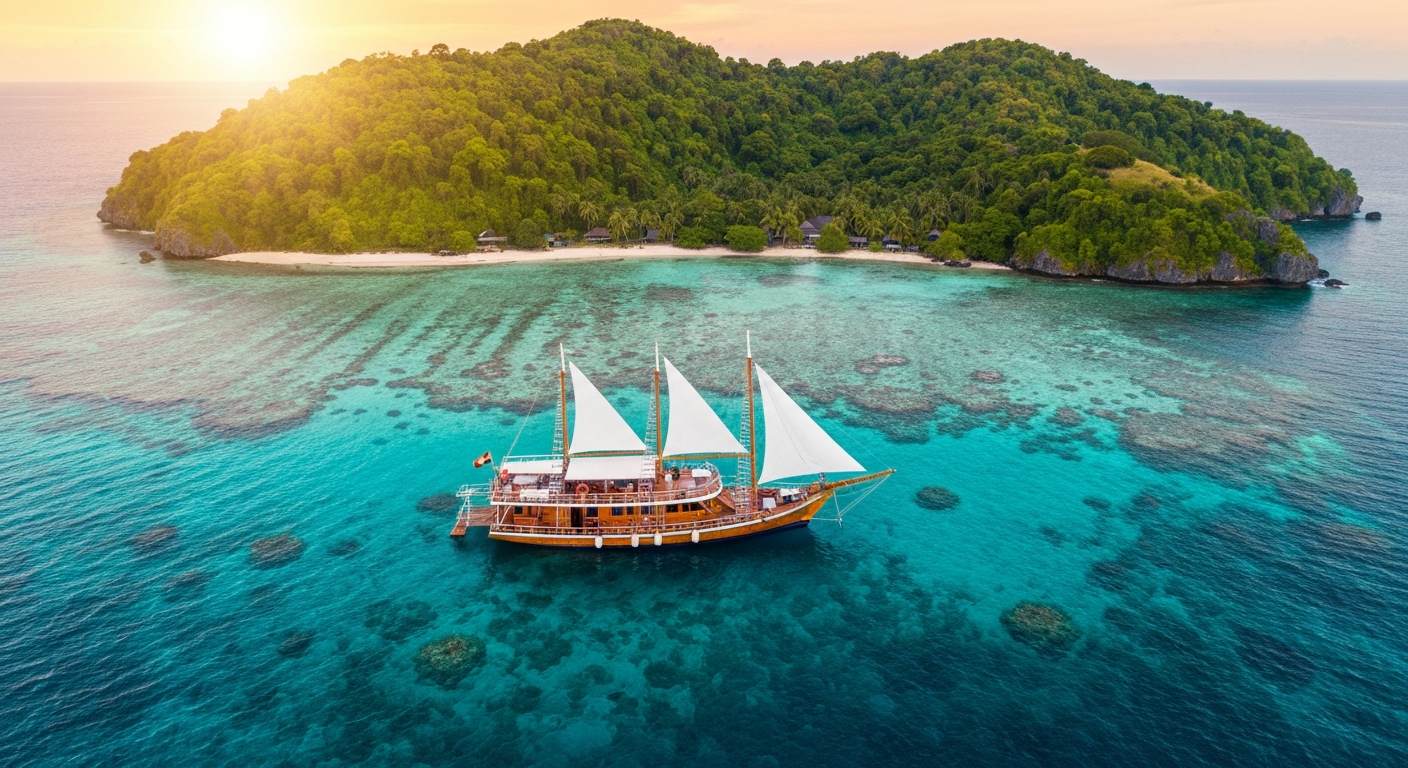
Komodo National Park operates under a stringent permit system, vital for both conservation and visitor management. Understanding these regulations and associated costs is essential for anyone considering a Komodo boat for sale or planning a liveaboard experience in 2026. The park, a designated UNESCO World Heritage Site since 1991, charges various fees to support its ecological preservation efforts. These fees apply to all visitors, whether on a shared tour, private charter, or operating a commercial vessel within the protected marine area. Compliance with these regulations ensures a sustainable future for the Komodo dragon and its unique ecosystem.
Understanding Komodo National Park Fees in 2026
Komodo National Park fees represent a multifaceted structure designed to manage visitor impact and fund critical conservation initiatives. For 2026, foreign visitors typically pay higher rates than domestic Indonesian tourists, a common practice in protected areas. A standard day trip often incurs a base park entrance fee ranging from approximately USD 20 to USD 30 per person, valid for a single day. This baseline charge usually does not include additional activity-specific fees or local government contributions. The Indonesian Ministry of Tourism and Creative Economy (Kemenparekraf) oversees policies impacting these fees, ensuring alignment with national tourism goals UNESCO World Heritage Site, understanding this intricate framework is not just essential; it’s the key to unlocking an authentic, sustainable, and utterly seamless journey into one of the planet’s last wild frontiers.
The permit structure extends beyond a simple park entry ticket; it encompasses a nuanced array of permissions designed to manage visitor impact across various activities and operational scales. For a luxury liveaboard, this means navigating specific permits for diving, snorkeling, trekking on islands like Padar or Rinca, and even the precise locations where vessels can drop anchor. This multi-layered approach reflects a global shift towards higher-value, lower-impact tourism, where the privilege of access comes with a responsibility to preserve. Each permit purchased funnels vital resources directly into conservation initiatives, anti-poaching patrols, and community development programs, ensuring that the unique habitat of the Komodo dragon and its vibrant marine life remains pristine for generations to come.
For individuals considering a Komodo boat for sale, a comprehensive grasp of these permit requirements is paramount. The operational scope of your vessel – whether it’s intended for private use, exclusive charters, or a combination – will be directly dictated by the types and validity of its permits. A luxury yacht, for instance, might require specific permits to access certain secluded coves or to offer specialized activities like night diving, which are not universally granted. Understanding these nuances from the outset allows for strategic planning, ensuring that your investment in a dream vessel translates into the freedom to explore Komodo’s full spectrum of wonders without unforeseen limitations or delays, delivering the exclusive experience discerning travelers expect.
Essential permit categories and their implications for 2026 operations
Delving deeper into the specifics, the permit landscape for Komodo National Park in 2026 presents several critical categories that every luxury boat owner or operator must master. At its core, the general park entry permit grants access to the protected area, but this is just the beginning. Activity-specific permits are crucial for crafting bespoke itineraries. For instance, a permit is required for trekking to witness the iconic Komodo dragons on Komodo Island or Rinca, or for ascending Padar Island’s famous viewpoint. Similarly, dedicated diving permits are mandatory for exploring the park’s world-renowned dive sites, which boast an incredible biodiversity including over 1,000 species of fish and 260 species of coral. These permits often come with daily limits or specific time slots, underscoring the park’s commitment to managing visitor flow and minimizing ecological disturbance.
Beyond visitor and activity permits, commercial vessels, which include most luxury liveaboards operating for charter, face additional layers of regulation. The Vessel Operating Permit (SIP, or Surat Izin Pengoperasian) is a fundamental requirement, certifying a boat’s legal right to conduct commercial activities within the park. This complex permit involves rigorous inspections and approvals from multiple government agencies, including the Ministry of Environment and Forestry and the Ministry of Transportation, ensuring compliance with safety, environmental, and operational standards. Furthermore, regulations surrounding mooring and anchoring are increasingly stringent to protect the fragile coral reefs; vessels are often directed to designated mooring buoys or specific sandy areas. The park, spanning approximately 1,733 square kilometers and encompassing 29 major islands, necessitates a detailed understanding of these geographic restrictions to avoid penalties and contribute to conservation.
The process of securing and maintaining these commercial permits can be intricate and time-consuming, highlighting the value of working with experienced local brokers or agents when considering a Komodo boat for sale. They possess the expertise to navigate the regulatory maze, from initial application to ongoing renewals, which typically occur annually. Prospective owners should budget not only for the purchase price of a vessel but also for the recurring costs associated with these permits, which can amount to a significant operational expense each year. While exact figures for 2026 are subject to annual review and potential increases, a general park entry fee for foreign visitors can be around IDR 150,000 (approximately USD 10) per day, with additional fees for specific activities and commercial vessel operations adding substantially to the overall cost. These fees are a direct investment in the park’s future, ensuring that the privilege of exploring this unique destination remains sustainable.
The long-term vision: sustainability, investment, and the future of luxury liveaboards
Komodo National Park’s stringent permit system is a clear manifestation of Indonesia’s long-term vision for sustainable tourism. It is a strategic effort to balance economic development through tourism with the imperative of ecological preservation, especially for its flagship species, the Komodo dragon, numbering around 3,000 individuals across its range. Every fee collected, every regulation enforced, contributes directly to the park’s operational budget, funding vital conservation efforts, scientific research, and community engagement programs that benefit the local populations. For the discerning luxury traveler and the responsible boat owner, this commitment to sustainability is not a hindrance but an enhancement, ensuring that the pristine beauty and unique wildlife that draw visitors here will endure for generations, making the investment in a Komodo experience truly worthwhile.
For those contemplating a Komodo boat for sale, understanding this long-term vision is crucial for a sound investment strategy. Beyond the initial acquisition cost, the ongoing financial commitment to permits, compliance with environmental regulations, and responsible operational practices form a significant part of the total cost of ownership. These expenditures are not merely overheads; they are an investment in the continued viability and exclusivity of operating in one of the world’s most coveted marine destinations. As policies evolve, potentially introducing new permit categories or adjusting fee structures to further manage visitor impact, adaptability and a proactive approach to compliance will be key differentiators for successful luxury liveaboard operations in 2026 and beyond. This foresight ensures the vessel remains a valuable asset, capable of delivering unparalleled experiences in a protected environment.
The future of luxury liveaboards in Komodo National Park is inextricably linked to this ethos of controlled access and ecological integrity. The trend is clearly towards premium pricing for exclusive experiences, coupled with meticulous adherence to environmental guidelines. This ensures that the increasing demand for Komodo adventures does not compromise the very qualities that make it so special. Owners and operators who prioritize sustainability, invest in top-tier service, and meticulously navigate the permit landscape will be best positioned to thrive. By embracing the spirit of responsible exploration, they not only preserve the magic of Komodo but also secure their place at the forefront of luxury tourism, offering an immersive, ethical, and unforgettable journey into Indonesia’s crown jewel.