Komodo National Park, a UNESCO World Heritage site since 1991, is globally recognized for its exceptional marine biodiversity, particularly its significant population of manta rays. These filter-feeding elasmobranchs draw considerable interest from marine enthusiasts and divers worldwide. The park’s unique currents and nutrient-rich waters create an ideal habitat for both reef mantas (*Mobula alfredi*) and oceanic mantas (*Mobula birostris*). Annually, over 200,000 tourists visit the region, with many seeking encounters with these majestic creatures. Understanding the optimal seasons and locations significantly increases sighting probabilities, ensuring a more rewarding experience within this protected Indonesian marine area.
Understanding Komodo’s Manta Ray Species and Behavior
Komodo National Park hosts two primary manta ray species: the smaller reef manta (*Mobula alfredi*) and the larger oceanic manta (*Mobula birostris*). Reef mantas typically reach disc widths of up to 5.5 meters, while oceanic mantas can exceed 7 meters. Both species are filter feeders, consuming vast quantities of plankton, which are abundant in Komodo’s nutrient-rich waters. Manta rays frequent specific “cleaning stations” where smaller fish remove parasites from their skin. These cleaning stations, often shallow coral bommies, offer predictable locations for observation. The park’s strong tidal currents, which can reach speeds of up to 8 knots in some channels, play a crucial role in delivering the plankton mantas consume, influencing their daily movements and aggregation patterns.
Optimal Seasons for Manta Ray Sightings in Komodo
The peak season for consistent manta ray sightings in Komodo National Park generally extends from September to May. During these months, plankton blooms are more prevalent, attracting large aggregations of mantas to feeding and cleaning sites. While sightings are possible year-round, the dry season (April to September) offers calmer seas and better visibility, enhancing the experience for snorkelers and divers. Specific months like April-May and September-November are often cited by local operators as offering the highest probability for encounters. The transition periods between the wet and dry seasons often coincide with increased plankton activity, making these times particularly fruitful for observing mantas. For example, during the wet season’s tail end, from December to February, sightings remain frequent, though sea conditions can be more unpredictable.
Maximizing Manta Ray Encounters: Locations and Probability
Several key locations within Komodo National Park are renowned for manta ray sightings. Manta Point (Karang Makassar) is arguably the most famous, characterized by its strong currents and a sandy seabed where mantas gather to feed. Sightings here are reported to be over 90% probable during peak season for experienced operators. Siaba Besar offers a more sheltered environment, making it suitable for snorkelers and less experienced divers, with regular sightings. Batu Bolong, a pinnacle dive site, also frequently hosts mantas, though its strong currents require advanced diving skills. The probability of encountering mantas is significantly influenced by tidal movements; incoming and outgoing tides often concentrate plankton, leading to increased feeding activity. Many experienced guides monitor these tidal charts to optimize excursion timings for guests.
Selecting the Right Vessel for Manta Ray Expeditions
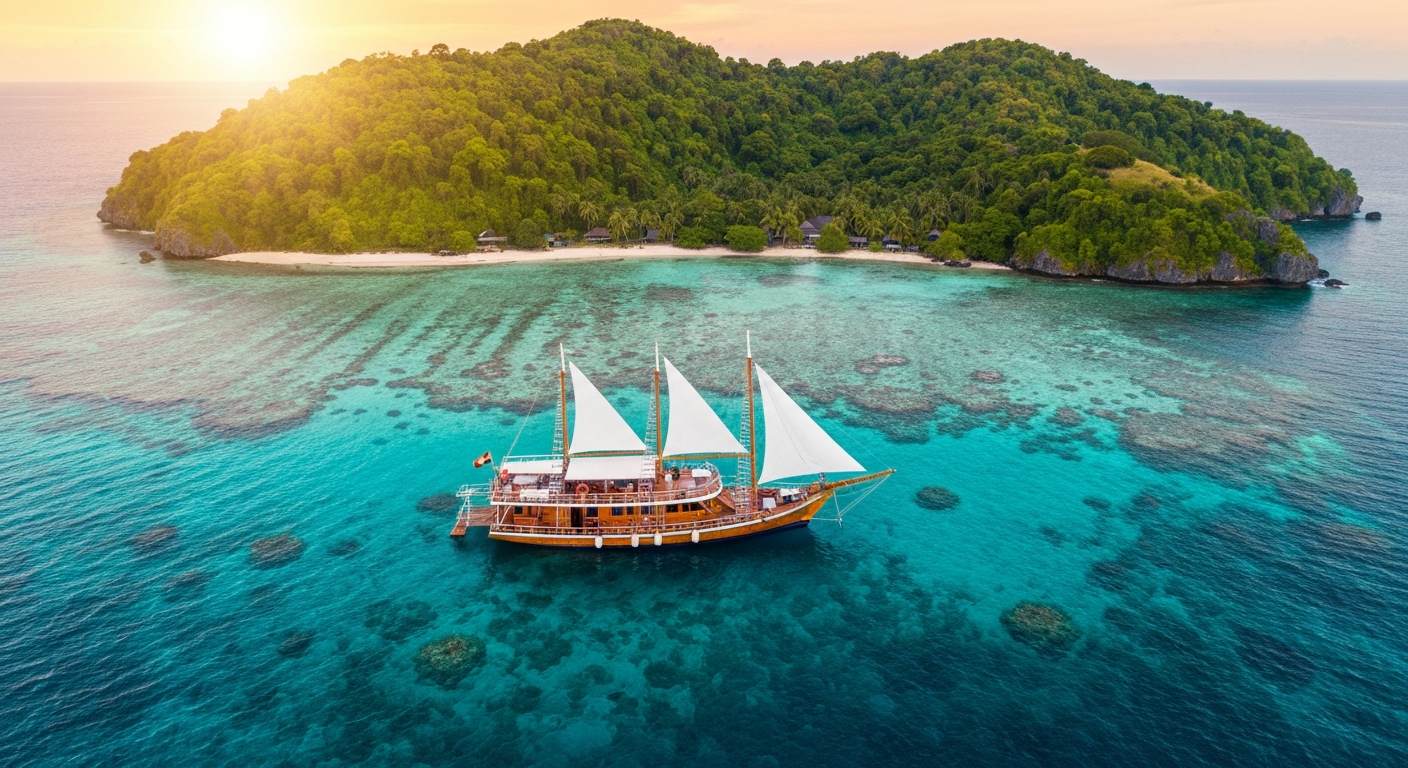
Choosing an appropriate vessel is critical for a successful manta ray expedition in Komodo. Day trips typically utilize speedboats, which allow for rapid transit to distant sites like Manta Point, maximizing time in the water. For more immersive experiences, multi-day liveaboard trips on traditional phinisi boats or modern yachts offer multiple opportunities to visit manta sites at optimal times. Komodo Boat Brokerage provides a range of vessels, from smaller day boats ideal for private charters (starting at approximately USD 40,000 for purchase) to luxurious phinisi liveaboards (USD 150,000 to USD 2M+), suitable for both discerning tourists and potential investors. Operators looking to purchase a Komodo boat for sale to convert to liveaboard 2026 must consider safety certificates and compliance with 2024-2026 maritime rules. A well-maintained vessel with experienced crew enhances both safety and the likelihood of successful sightings. For those considering a private Komodo yacht charter, options range from USD 15,000-45,000 per trip for 3-7 nights, offering tailored itineraries.
Responsible Tourism and Manta Ray Conservation
Adhering to responsible tourism guidelines is paramount for the long-term conservation of Komodo’s manta ray populations. The Komodo National Park authority enforces strict regulations to minimize human impact on marine life. Visitors should maintain a respectful distance of at least 3-5 meters from mantas, avoid touching them, and refrain from chasing or obstructing their natural movements. Flash photography is also discouraged, as it can startle the animals. Many reputable tour operators provide comprehensive briefings on these guidelines, emphasizing passive interaction. The Indonesian Ministry of Tourism and Creative Economy actively promotes sustainable practices within its national parks to protect vulnerable species. Choosing operators committed to these ethical standards contributes directly to the health and sustainability of the marine ecosystem. These practices also ensure the park remains a pristine destination for future generations.
Beyond Mantas: Komodo’s Rich Marine Biodiversity
While manta rays are a significant attraction, Komodo National Park’s marine ecosystem offers a diverse array of other species. The park’s coral reefs are among the most vibrant and biodiverse globally, supporting over 1,000 species of fish, 385 species of reef-building corals, and various marine mammals. Divers and snorkelers frequently encounter green sea turtles, hawksbill turtles, reef sharks (including blacktip and whitetip), and occasional dugongs. Macro enthusiasts find a wealth of nudibranchs, pygmy seahorses, and colorful reef fish. The sheer density and variety of marine life underscore Komodo’s status as a premier marine destination, offering compelling experiences even when manta ray sightings are less frequent. Visitors can explore sites like Pink Beach for snorkeling or experience current dives at Castle Rock, each offering unique marine encounters.
Key Manta Ray Hotspots and Encounter Tips:
- Manta Point (Karang Makassar): Famous feeding and cleaning station; strong currents require experienced guides.
- Siaba Besar: Milder currents, suitable for snorkelers and less experienced divers.
- Batu Bolong: Advanced dive site known for mantas and rich coral formations.
- The Cauldron: A channel dive where mantas are often seen riding currents.
- Golden Passage: Another channel known for abundant marine life, including mantas.
- **Travel During Peak Season:** Optimize visits for September to May for highest probability.
- **Respect Marine Life:** Maintain distance (3-5m), avoid touching, and no flash photography.
- **Monitor Tides:** Mantas often feed more actively during incoming or outgoing tides.
- **Choose Reputable Operators:** Select guides experienced in manta behavior and safety protocols.
- **Consider a Liveaboard:** Multi-day trips provide more opportunities and flexible timing for encounters.
Exploring Komodo’s marine wonders, especially its manta ray populations, offers unparalleled experiences. Whether you are planning a short private boat hire for 3D2N or considering a longer Komodo liveaboard cost per person 2026, understanding the best times and practices is essential. For those interested in extended stays or operating marine tours, Komodo Boat Brokerage offers diverse options, from vessels ready for used phinisi Komodo boat for sale Indonesia to high-end yachts. We connect buyers with vessels that meet their specific needs, whether for personal leisure or commercial ventures. Contact us to discuss your requirements for purchasing a boat or arranging a charter that aligns with Komodo’s prime manta ray season.