The prospect of buying a Komodo tourist boat in Labuan Bajo guide 2026 presents a compelling investment opportunity within Indonesia’s burgeoning tourism sector. Labuan Bajo, situated on Flores Island in East Nusa Tenggara, serves as the primary gateway to Komodo National Park, a UNESCO World Heritage site known for its unique wildlife and pristine marine ecosystems. The Indonesian government designated Labuan Bajo as one of its five “Super Priority Tourism Destinations” (KSPN) in 2020, signaling significant infrastructure and tourism development. This strategic focus has driven a steady increase in visitor numbers, with foreign tourist arrivals to Flores projected to exceed 600,000 annually by 2026, according to recent tourism ministry forecasts. Investors considering a purchase can find vessels ranging from basic dayboats at USD 40,000 to high-end phinisi yachts exceeding USD 2 million, catering to diverse operational models within this dynamic market.
The Labuan Bajo Boat Market Overview 2026
The Labuan Bajo boat market in 2026 reflects a robust demand for tourist vessels, driven by both domestic and international visitors seeking access to Komodo National Park. The park recorded approximately 220,000 visitors in 2025, a significant rebound from previous years. This demand fuels a need for reliable and safe boats for day trips, multi-day liveaboards, and luxury charters. Dive operators and hospitality investors comprise the primary buyer profile for commercial vessels. Competition among operators remains healthy, with over 350 registered tourist boats operating from Labuan Bajo as of early 2026. The market is also seeing a shift towards higher safety standards following incidents in 2024-2025, influencing buyer priorities for vessel condition and certification.
Types of Tourist Vessels for Sale in Komodo
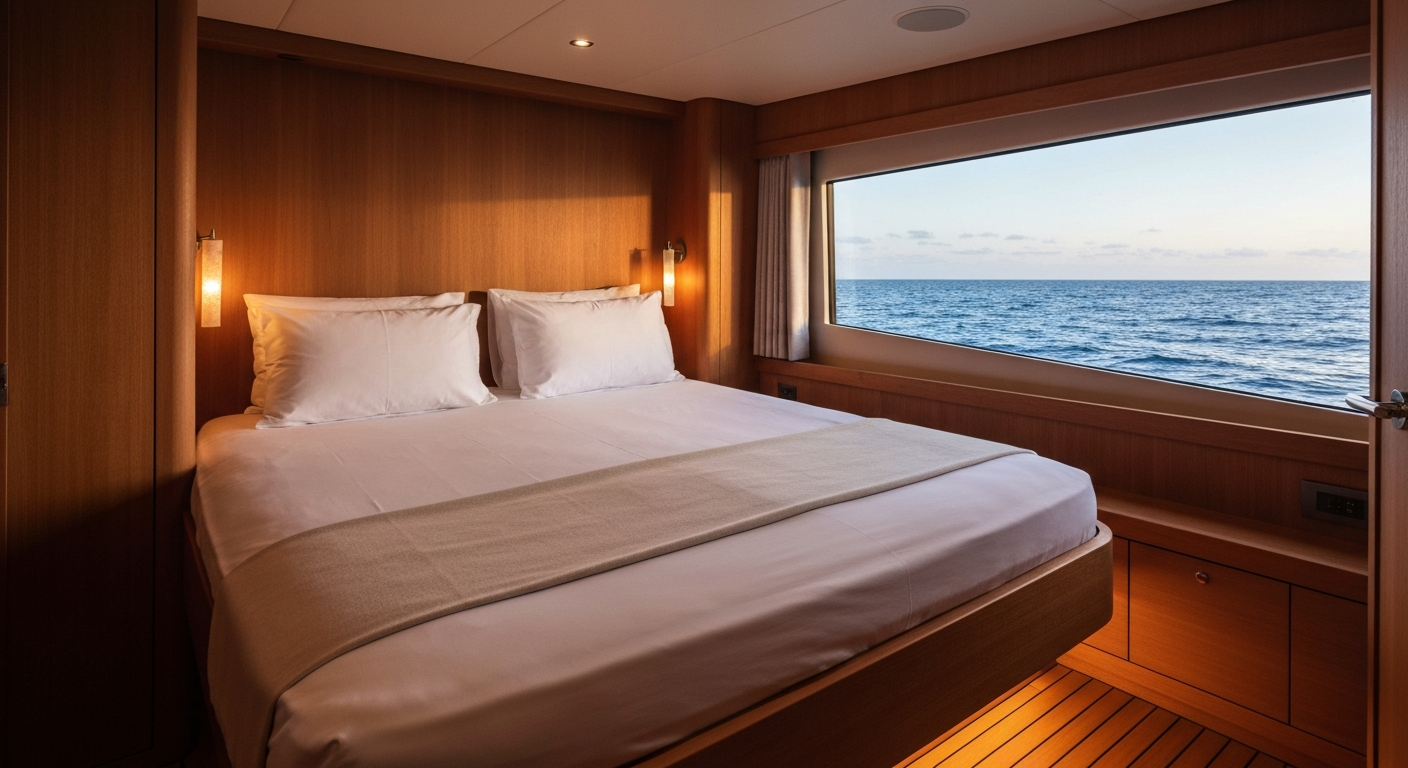
Several distinct types of tourist vessels are available for purchase in Labuan Bajo, each catering to different operational scales and visitor experiences. Small wooden dayboats, ideal for short island-hopping tours or transfers, typically accommodate 8-15 passengers and are priced between USD 40,000 and USD 80,000. Mid-range phinisi liveaboards, often with 5-10 cabins and capacity for 10-20 guests, are suitable for multi-day excursions; these older or basic models command prices from USD 150,000 to USD 350,000. High-end steel-hulled phinisi or modern mini-yachts, offering luxury amenities like ensuite cabins and air conditioning, can cost upwards of USD 500,000, with bespoke builds exceeding USD 2 million. These larger vessels typically cater to 4-12 guests, targeting the luxury charter segment.
Legal Framework for Foreign Boat Ownership in Indonesia
Foreign ownership of commercial vessels in Indonesia, particularly for tourism operations, involves specific legal structures and compliance requirements. Direct individual foreign ownership of an Indonesian-flagged commercial vessel is generally restricted. Most foreign investors operate through a local Indonesian legal entity, such as a Penanaman Modal Asing (PMA) company, which allows for foreign capital investment up to certain percentages depending on the business sector. This PMA company then owns and registers the vessel. Key permits include a SIUPAL (Surat Izin Usaha Perusahaan Angkutan Laut) for sea transportation business and various operational licenses from the Directorate General of Sea Transportation (Kementerian Perhubungan). Navigating these regulations requires local legal expertise to ensure full compliance with Indonesian maritime law and avoid operational disruptions.
Critical Pre-Purchase Due Diligence for Komodo Boats
Thorough due diligence is essential before acquiring a tourist boat in Labuan Bajo to mitigate risks and ensure operational viability. Buyers must verify the vessel’s registration documents, including its Certificate of Ownership (Surat Tanda Kebangsaan Kapal) and its latest safety certificates (e.g., Surat Keterangan Laik Laut). A professional marine survey should assess the hull integrity, engine condition, electrical systems, and navigation equipment. Buyers should also review the boat’s maintenance history and any major refits. Given increased scrutiny on safety, checking the presence of adequate life rafts, life jackets for all passengers, and communication radios is paramount. Understanding the vessel’s compliance with the specific regulations of Komodo National Park, including waste management protocols, is also critical for seamless operations.
Understanding Operating Costs and ROI in Komodo
Operating a tourist boat in Komodo involves various recurring costs that directly impact return on investment (ROI). Crew salaries for a typical phinisi liveaboard (captain, engineer, chef, deckhands, guide) range from USD 2,000 to USD 4,000 per month, depending on experience and vessel size. Fuel consumption is a significant expense, with average usage for a mid-sized phinisi around 100-200 liters per day, costing approximately USD 60-120 daily. Maintenance, repairs, and annual dry-docking can total 10-15% of the vessel’s value annually. Komodo National Park fees, which tourist operators often pass to guests, are approximately IDR 150,000-250,000 (USD 10-17) per foreign visitor per day, plus additional activity fees. Revenue potential is strong, with luxury charters generating USD 15,000-45,000 per 3-7 night trip, while shared liveaboards can yield USD 450-900 per person for 3D2N packages.
Key Steps to Buying a Tourist Boat in Labuan Bajo
Acquiring a tourist boat in Labuan Bajo involves a structured process to ensure a secure and compliant transaction. Adhering to these steps helps streamline the purchase:
- Define Your Operational Model: Determine if you plan day trips, shared liveaboards, or luxury charters. This clarifies vessel type, size, and budget requirements.
- Set Your Budget and Financing Strategy: Establish a realistic budget, considering vessel cost, legal fees, and initial operating capital. Explore local financing options, as international banks may have limitations.
- Engage a Local Broker and Legal Counsel: Work with an experienced local boat broker, like Komodo Boat Brokerage, and an Indonesian maritime lawyer. They navigate local market nuances and legal complexities.
- Identify Potential Vessels and Conduct Initial Viewings: Shortlist boats that match your criteria. Conduct physical inspections to assess general condition and suitability.
- Commission a Comprehensive Marine Survey: Hire an independent, certified marine surveyor to perform a detailed inspection of the hull, engine, electrics, and safety equipment.
- Verify Documentation and Licenses: Ensure all registration papers, safety certificates, and operational licenses are current and transferable. Check for any outstanding liens or disputes.
- Negotiate Price and Terms: Based on survey results and market value, negotiate the purchase price and specific conditions of sale, including payment schedules.
- Draft and Sign the Sale Agreement: Execute a legally binding sale agreement, ideally in both Indonesian and English, with clear terms and conditions.
- Complete Ownership Transfer and Registration: Work with your legal team to formally transfer ownership and update the vessel’s registration with the relevant Indonesian authorities.
- Secure Operational Permits: Obtain all necessary permits for commercial operation, including tourism licenses and Komodo National Park entry permits for your vessel.
Securing Your Investment: Brokerage and Support
Engaging a reputable brokerage like Komodo Boat Brokerage significantly streamlines the acquisition process and safeguards your investment. Brokers provide access to a wider network of available vessels, including off-market opportunities, and offer crucial insights into current market values and trends. They assist in navigating the complex legal landscape of Indonesian maritime law, ensuring all documentation is accurate and compliant. Furthermore, a broker can connect buyers with trusted marine surveyors, legal advisors, and local operational support services. Post-purchase, they can offer guidance on crew recruitment, maintenance schedules, and marketing strategies, helping new owners integrate efficiently into the Labuan Bajo tourism ecosystem. For current listings of vessels ready for operation, view our available boats.
The decision to acquire a tourist boat in Labuan Bajo in 2026 represents a substantial investment within a thriving tourism destination. Understanding the market dynamics, legal requirements, and operational considerations is paramount for success. From selecting the right vessel type to navigating foreign ownership regulations, each step demands careful attention and expert guidance. By leveraging local expertise and conducting thorough due diligence, investors can confidently enter this exciting market. For personalized advice on buying a Komodo boat or to explore Komodo yacht charter opportunities and pricing, contact Komodo Boat Brokerage. We offer comprehensive support to ensure your investment thrives in Labuan Bajo.