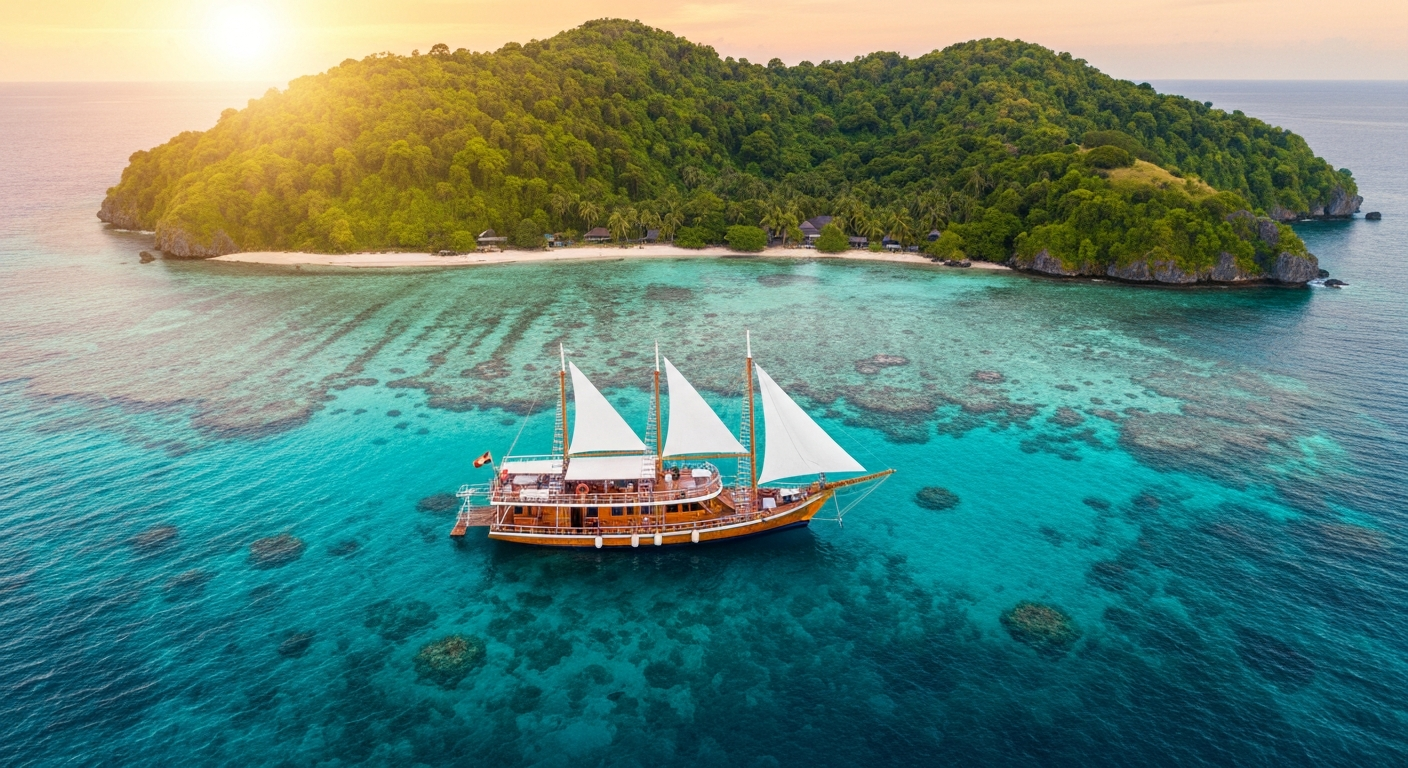
Komodo National Park operates under a stringent permit system, vital for both conservation and visitor management. Understanding these regulations and associated costs is essential for anyone considering a Komodo boat for sale or planning a liveaboard experience in 2026. The park, a designated UNESCO World Heritage Site since 1991, charges various fees to support its ecological preservation efforts. These fees apply to all visitors, whether on a shared tour, private charter, or operating a commercial vessel within the protected marine area. Compliance with these regulations ensures a sustainable future for the Komodo dragon and its unique ecosystem.
Understanding Komodo National Park Fees in 2026
Komodo National Park fees represent a multifaceted structure designed to manage visitor impact and fund critical conservation initiatives. For 2026, foreign visitors typically pay higher rates than domestic Indonesian tourists, a common practice in protected areas. A standard day trip often incurs a base park entrance fee ranging from approximately USD 20 to USD 30 per person, valid for a single day. This baseline charge usually does not include additional activity-specific fees or local government contributions. The Indonesian Ministry of Tourism and Creative Economy (Kemenparekraf) oversees policies impacting these fees, ensuring alignment with national tourism goals komodo boat for sale, understanding the intricacies of the permit system extends far beyond basic visitor fees; it encompasses a sophisticated web of vessel registrations, operational licenses, and environmental compliance essential for navigating this iconic UNESCO World Heritage site with distinction.
Navigating the multi-tiered permit system for luxury vessels
The acquisition of a luxury vessel intended for operations within Komodo National Park introduces a distinct set of permitting requirements that differentiate it from standard tourist entries. Prospective owners, particularly those eyeing a komodo boat for sale with commercial aspirations, must navigate a multi-tiered system. This typically begins with securing a Surat Izin Usaha Angkutan Laut (SIUPAL) or a similar commercial shipping business license from the Ministry of Transportation, followed by specific operational permits from the Directorate General of Sea Transportation and local port authorities in Labuan Bajo. Beyond national maritime regulations, the vessel itself requires a specific permit from the Komodo National Park authority to operate within its protected waters.
This park-specific vessel permit is crucial and often subject to annual renewal, ensuring that all operating boats meet stringent safety and environmental standards. For larger luxury yachts and liveaboards, the scrutiny is even greater, often requiring detailed inspections of waste management systems, engine efficiency, and passenger safety protocols. The cost for these annual commercial vessel permits can vary significantly based on the boat’s size and passenger capacity, often ranging from IDR 10,000,000 to IDR 50,000,000 annually for larger, luxury liveaboards. This structured approach helps limit the number of commercial operators, minimizing ecological impact while supporting high-quality, responsible tourism. Engaging with a reputable local brokerage is paramount in deciphering these complex requirements, streamlining the application process, and ensuring continuous compliance, thereby safeguarding your investment and operational integrity within this pristine marine sanctuary.
Deconstructing the fee structure: Beyond park entry
While the existing information touches upon standard park entry fees for foreign and domestic visitors, the full financial landscape for a luxury liveaboard experience or a commercial charter within Komodo National Park is far more nuanced. Beyond the initial per-person entry fee, which for foreign visitors can be around IDR 250,000 per day on weekdays and IDR 375,000 on weekends and public holidays, a suite of additional charges applies. These activity-specific fees are vital for funding direct conservation initiatives and supporting local communities. For instance, a dedicated diving permit, mandatory for all certified divers, typically costs an additional IDR 100,000 per person per dive, contributing directly to marine conservation efforts within the park’s designated dive zones.
Furthermore, any trekking activity to see the iconic Komodo dragons or explore the park’s terrestrial landscapes necessitates a ranger fee, usually around IDR 50,000 per group, ensuring guided and safe interactions with the wildlife. For vessels, especially those anchoring overnight, there are often anchoring or mooring fees, which escalate with the size and duration of stay, reflecting the impact and resource usage of larger luxury yachts. Local government levies and conservation contributions also form part of the overall cost structure, designed to ensure that the economic benefits of tourism are reinvested into the park’s infrastructure and the welfare of its surrounding communities. Understanding this comprehensive fee structure is essential for any owner of a komodo boat for sale, as it directly impacts charter pricing and operational budgeting, underscoring the commitment to sustainable, high-value tourism in this extraordinary destination. For more detailed information on Komodo National Park’s ecological significance, explore its listing on the UNESCO World Heritage Centre website.
Operational excellence and environmental stewardship for private charters
Operating a luxury private charter or a newly acquired komodo boat for sale within the Komodo National Park transcends mere compliance with permits and fees; it demands a commitment to operational excellence and rigorous environmental stewardship. This ethos is particularly crucial for the luxury segment, where discerning guests expect not only unparalleled service but also a responsible and pristine encounter with nature. Regulations extend to every aspect of a vessel’s operation, from waste management to anchoring practices. All luxury liveaboards must adhere to strict waste disposal protocols, ensuring that no refuse, including greywater and blackwater, is discharged within the park’s boundaries. Designated waste collection points in Labuan Bajo serve as the only permissible disposal sites, emphasizing the park’s zero-tolerance policy on pollution.
Anchoring regulations are equally stringent, designed to protect the fragile coral reefs and seagrass beds that form the backbone of Komodo’s marine ecosystem. Vessels are mandated to use designated mooring buoys wherever available, or, in their absence, anchor in sandy areas, maintaining a minimum distance of at least 50 meters from any coral formations. Speed limits are also enforced in sensitive areas to protect marine life, including the majestic manta rays and whale sharks that frequent these waters. Furthermore, all luxury charters are encouraged to employ certified local guides and dive masters who possess intimate knowledge of the park’s regulations, marine life, and cultural sensitivities, enhancing both safety and the quality of the guest experience. These operational guidelines are not merely bureaucratic hurdles; they are fundamental pillars that uphold the park’s integrity, ensuring that the breathtaking beauty of Komodo remains unspoiled for future generations and continues to offer an unparalleled luxury travel experience. For broader insights into Indonesia’s commitment to sustainable tourism, visitors can consult the official Indonesia.travel portal.